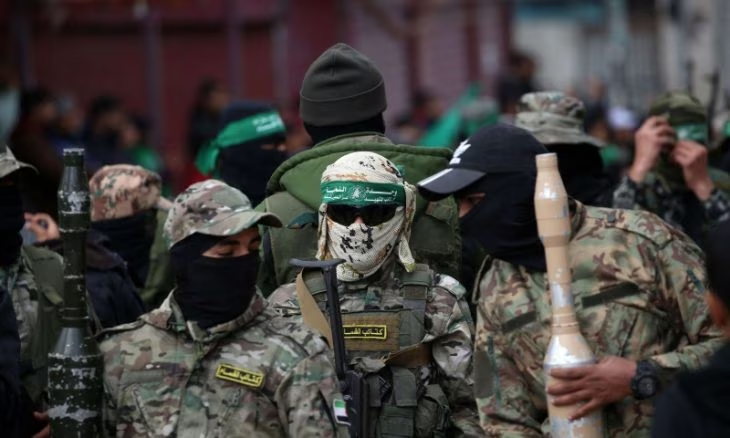







Israeli historian and Middle East expert, Harel Chorev, suggests that the current question is not whether war will return to the Gaza Strip, but when and with what intensity? He explained in an analytical article that any political settlement that does not include the dismantling of Hamas as a governing and armed organization will simply turn into a transitional phase allowing the movement to rebuild its ranks, considering that the movement remaining armed and organized means that the next confrontation is an inevitable outcome, not a failure of the settlement.
In the context of field developments, Chorev pointed out that the opening of the Rafah crossing today will allow about 50 people to return to the Strip daily, compared to 150 people leaving for Egypt, without allowing the passage of goods so far. Although tens of thousands of stranded individuals and students are waiting to cross, this limited number does not solve the Strip's crisis, but it represents a first step in the international effort to move towards a new reality, coinciding with the technocratic government beginning its administrative duties.
The Israeli analyst paints a bleak picture of the internal situation, where most parts of Gaza have been destroyed and residents live in less than half of the total area, while Israel controls the remaining areas. He added that the economic elite has left the Strip, weakening the chances of a quick recovery, emphasizing that international promises to inject billions for reconstruction remain conditional on achieving security and political stability, which seems elusive at present.
Chorev accused Hamas of being an obstacle to any progress, claiming that it views the population and infrastructure as tools to protect its fighters, and rejects any settlement that includes disarmament. He recalled the experience of 2004 when the movement rebuilt itself after the assassination of its leaders, transforming from a small organization into an army of 20,000 fighters that controlled the Strip in 2007, warning against a repeat of the same scenario.
The historian identified three goals Hamas is currently seeking to achieve: remaining a political and social force, controlling reconstruction resources, and maintaining its military wing. He pointed to the movement's demand to integrate 10,000 of its members into the future police force, considering that the appointment of Sami Nasman as a security official in the technocratic government and his forced work from Rafah reflects the magnitude of the challenge, as he is pursued by Hamas security agencies.
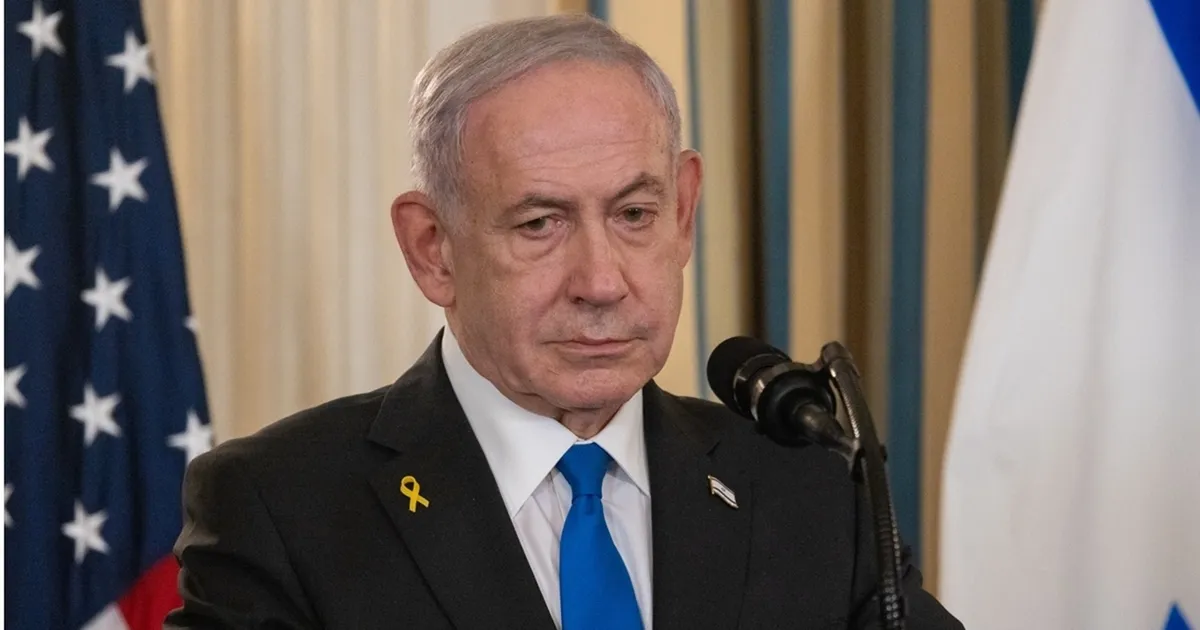
Chorev concluded that the probability of renewed fighting remains high given the wide gap between the demands of Israel and the United States and Hamas's apparent willingness. He noted that the Trump administration is giving Hamas only a few months to disarm as part of a broader regional strategy, while Benjamin Netanyahu continues to emphasize disarming the movement either voluntarily or through military force.
Any settlement that does not dismantle Hamas as a governing and armed organization will turn into a transitional phase for the movement's rebuilding, and the next military round will be its inevitable outcome.



Share your opinion
Israeli historian warns of 'trap' of Gaza reconstruction and Hamas remaining armed