







For the first time since the occupation army took control of it in May 2024, the Rafah land crossing opened its doors this Sunday morning, as part of a "limited experimental operation" plan, with actual passenger movement scheduled to begin on Monday, amidst strict Israeli security measures that have turned the only gateway for Gazans into a "security screening platform".
Border sources reported that Sunday was dedicated to logistical procedures and receiving a delegation from the Palestinian Authority, in addition to transferring a very limited number of wounded "on an experimental basis". The actual start will be tomorrow, as security sources revealed that Egypt handed over the lists of the first travelers to the Israeli side for examination, and only 150 people are scheduled to leave the Strip, while 50 people will enter daily.
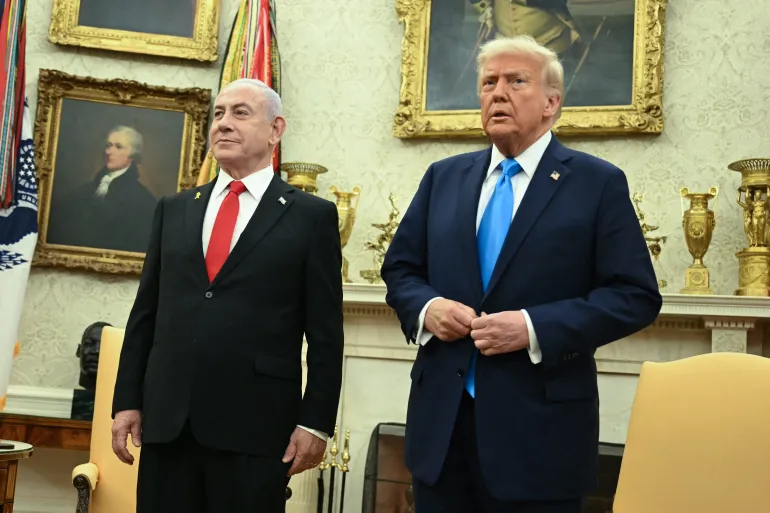
According to what sources revealed, Netanyahu insisted on imposing complex conditions that turned the crossing into a digital barracks:
Departing (leaving Gaza): No direct physical inspection by Israelis. Inspection is carried out by members of the European Union mission and Palestinian Authority employees. Israeli surveillance: Carried out "remotely" via advanced cameras and facial recognition technology. Israeli security has a "control button" to open and close gates electronically to prevent anyone unauthorized from leaving. Arriving (entering Gaza): Procedures are stricter; returnees will pass through an occupation army checkpoint. They undergo a thorough examination with metal detectors and biometric fingerprinting before being allowed to cross beyond the "Yellow Line" (Hamas-controlled areas).
These meager numbers (150 travelers) clash with a catastrophic humanitarian reality; Gaza's Ministry of Health data indicates that there are 20,000 sick and wounded patients awaiting travel, including:
440 critical cases whose lives are at stake.
4000 cancer patients.
4500 children on emergency lists.
Reports indicated that this step, including allowing members of the "technocrat committee" to manage the affairs of the Strip, comes as a "gesture of goodwill" towards US President Donald Trump, who recently announced the start of the second phase of the ceasefire agreement. This comes at a time when humanitarian aid and goods still face significant obstacles, amidst international demands for a comprehensive opening of the crossing to save what remains of the destroyed infrastructure.
Netanyahu insisted on imposing complex conditions that turned the crossing into a digital barracks.
Share your opinion
"By remote control".. Rafah crossing returns to work "experimentally" under the eye of the "Israeli" censor, and this is what we know