







Washington – Said Arikat
News Analysis
US President Donald Trump on Wednesday launched one of his most threatening messages towards Iran since his return to the White House, warning that "time is running out" for Tehran to reach a new nuclear agreement, and announcing that a "massive military fleet" led by the aircraft carrier Abraham Lincoln is on its way to the region, in a clear indication of Washington's readiness to resort to force if diplomatic efforts fail.
In a post on his "Truth Social" platform on Wednesday, January 28, Trump called on the Iranian leadership to "immediately sit down at the negotiating table" to reach an agreement that prevents the acquisition of nuclear weapons, warning that any future American strike would be "more severe and widespread" than previous operations targeting Iranian facilities. His statements came at a highly sensitive regional and international moment, where nuclear issues intersect with escalating internal unrest in Iran, and security tensions threatening the stability of the entire Middle East.
Goals Beyond the Nuclear File
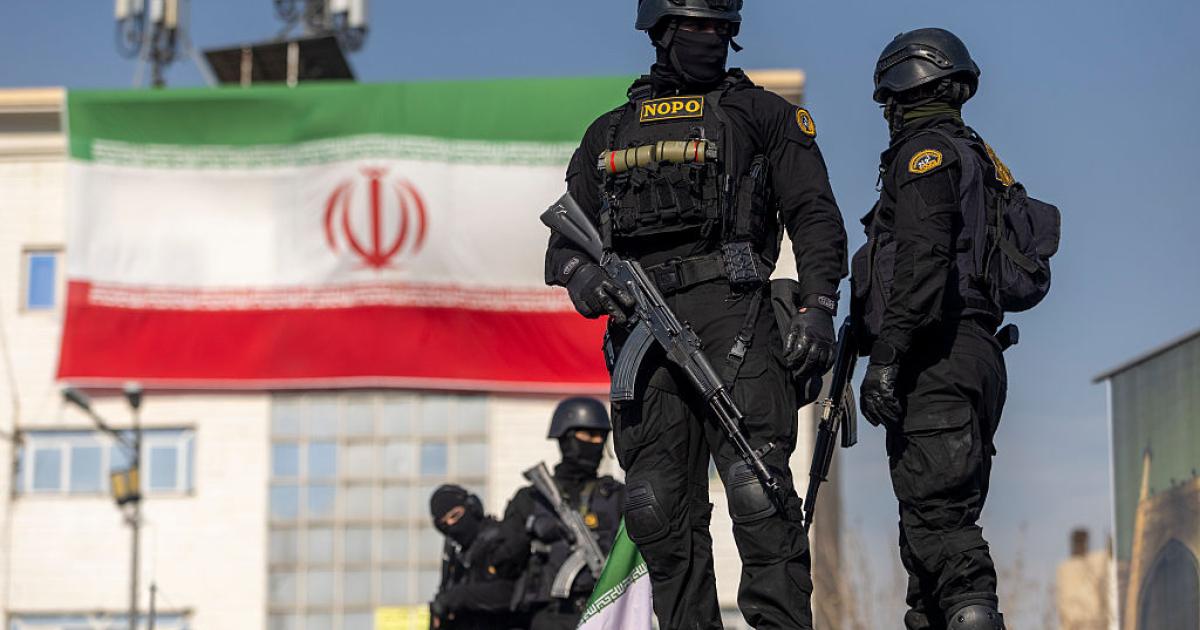
However, behind the public rhetoric focusing on preventing Iran from acquiring nuclear weapons, leaks from decision-making circles in Washington reveal a broader approach. According to informed American sources, Trump is considering limited military options aimed not only at deterrence, but at "creating internal political conditions that could lead to a change in the structure of Iranian rule," as the Al-Quds correspondent in Washington learned. These options include precise strikes targeting security units linked to the suppression of protests, in an attempt to weaken the regime's grip and fuel popular discontent.
This vision reflects a conviction among some hawks in the US administration that the Iranian regime is going through an unprecedented phase of fragility, due to the suffocating economic crisis, international isolation, and the widening scope of popular protests, making external pressure a catalyst for deeper internal fissures.
Iran Responds: No Negotiation Under Threat
In contrast, the Iranian response was swift and sharp. Tehran, through its Foreign Minister Abbas Araqchi, affirmed that any negotiation under threat is completely rejected, warning that the Iranian armed forces are "at the highest levels of readiness," and that any American attack will be met with an "immediate and harsh" response.
High-ranking Iranian officials stressed that any strike, no matter how limited, would be considered a declaration of war, and could lead to responses extending beyond the Iranian arena, to include American and allied interests in the region. This was accompanied by media escalation and political messages expressing Tehran's readiness to bear the cost of confrontation, rather than succumbing to what it describes as "the policy of dictates."
The Region on the Brink of Explosion
The American escalation against Iran has increased the pace of concern in the region. While both Israel and Saudi Arabia intensified their consultations with Washington regarding potential scenarios, other Gulf states expressed clear reservations about any military action that could drag the region into an open war, refusing the use of their territories or airspace in any potential attack.
At the same time, Russia warned of the risks of sliding into a comprehensive military confrontation, calling for diplomacy to be given a last chance, while European countries expressed concern about the repercussions of any escalation on global energy security and the stability of navigation in the Strait of Hormuz.
Economic and Security Repercussions
The signs of these repercussions have already begun to appear, as oil prices witnessed a significant rise, amidst fears of supply disruptions in the event of a military confrontation. International airlines have also rerouted their flights away from the Middle East airspace, indicating increasing concern about security risks.
As for financial markets, they recorded a state of volatility, with investors moving towards safe havens, given the geopolitical uncertainty.
Complex Calculations
Despite the escalation, the scene remains open to more than one possibility. The US administration is threatening force, but at the same time affirms that the door has not been completely closed to negotiation. As for Iran, it rejects the threat, but leaves a window ajar for an agreement "based on mutual respect," according to its officials.
The most prominent question remains: Do these mutual pressures constitute a prelude to a new political settlement, or do they lead the region towards one of the most dangerous confrontations in its modern history?
The American escalation towards Iran reflects a strategic shift that goes beyond the logic of traditional deterrence to an attempt to influence the internal balances of the Iranian regime. However, betting on "changing behavior" or "creating conditions for political change" through military pressure carries serious risks, as external threats often unite internal fronts instead of dismantling them. In contrast, Iran seems caught between refusing to submit and the need to alleviate suffocating economic pressures. Between these two options, the region stands on the brink of an explosion whose outcomes no one may be able to control, making diplomacy, despite its fragility, the best option according to experts.



Share your opinion
Unprecedented Escalation: Trump Threatens Military Option Against Iran Amidst Bets on Changing the Political Equation