







News Analysis
Researcher Mitchell Plitnick, writing in the progressive "Mondoweiss" website, indicated that the Middle East today stands at an extremely dangerous historical crossroads, where chronic crises intersect with international policies that only exacerbate them. While global political and economic elites were preoccupied with the Davos Economic Forum, the region was silently sliding towards a boiling point that could redraw its political and security maps. Behind the American rhetoric of "isolation" and reduced foreign engagement, Washington continues to play the main driver of crises, often in partnership with Israel, and at the expense of the stability and future of the region's peoples.
From Palestine to Syria, and from Iran to Yemen and Sudan, conflicts are no longer separate or geographically confined. They are a single network of intertwined tensions, fueled by erratic American intervention, systematic Israeli aggression, and an international inability to impose any just political horizon. In this scenario, the question becomes not whether the situation will explode, but where and when the biggest explosion will occur, according to the author.
Palestine: "Peace" Without Palestinians
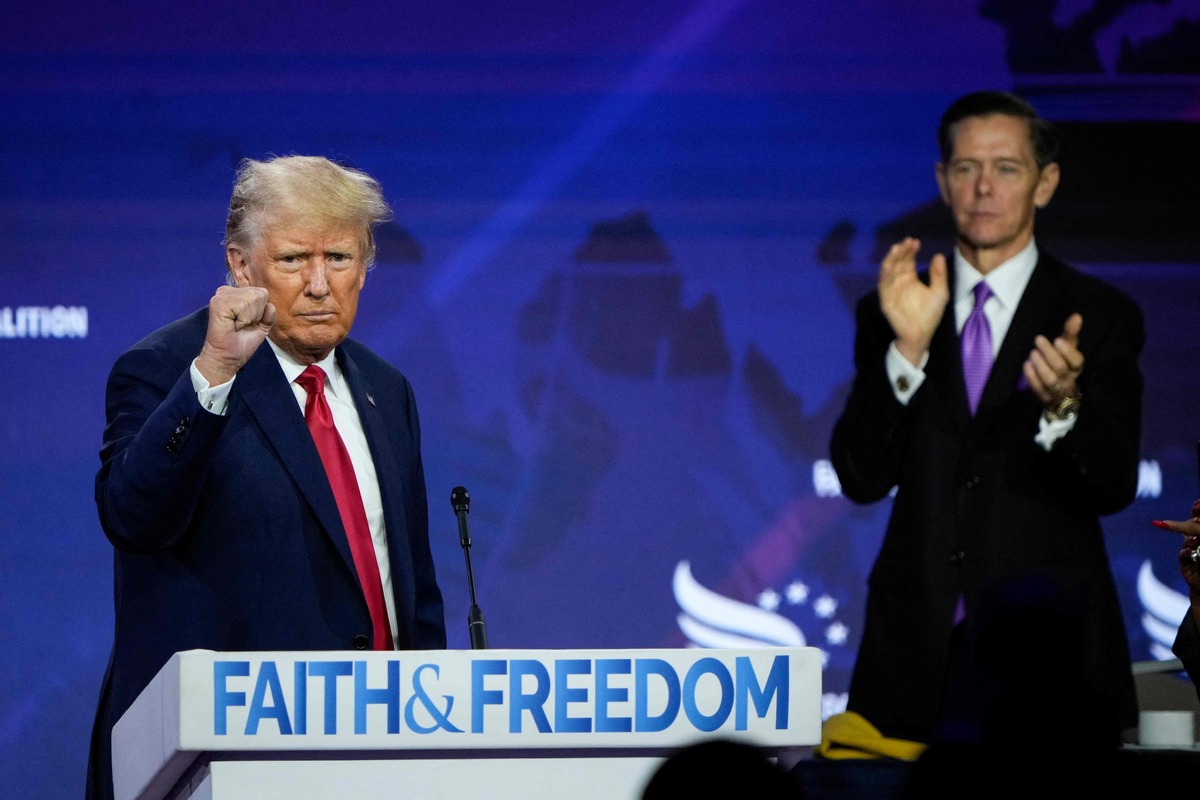
In Davos, Donald Trump presided over the launch of what was called the "Peace Council," in a move that seemed more like a political maneuver than a genuine initiative. The council's founding charter made no mention of Gaza, Palestine, or even Israel, reflecting the nature of the project: redefining the conflict by ignoring it, not resolving it. Practically, the council became a tool to provide political cover for attempts to impose coercive arrangements on Gaza, under the guise of an "executive administration" overseeing the subjugation of the population and the looting of land.
Jared Kushner's vision for Gaza, presented in Davos, reduces the strip to a luxury real estate project for the wealthy, with no regard for the national identity or political rights of Palestinians. Despite the absence of an announced plan for displacement, it is difficult to imagine a place for Palestinians other than as a marginal workforce in their homeland. At the same time, Israel continues its preparations for a new military operation in Gaza, awaiting the American green light, benefiting from the absence of any serious negotiation path on fundamental issues, foremost among them disarmament in exchange for a real political horizon.
In the occupied West Bank, the scene is complemented by a widespread Israeli attack on Hebron, the largest since the Second Intifada. This attack aims not only to tighten security control but also to re-engineer settler violence by "institutionalizing" it and transferring it from settler chaos to official security frameworks. This coincides with dangerous religious provocations, from the Ibrahimi Mosque to the Al-Aqsa Mosque, suggesting a deliberate attempt to provoke a comprehensive Palestinian response that justifies a wider wave of repression.
Iran: Playing with Fire
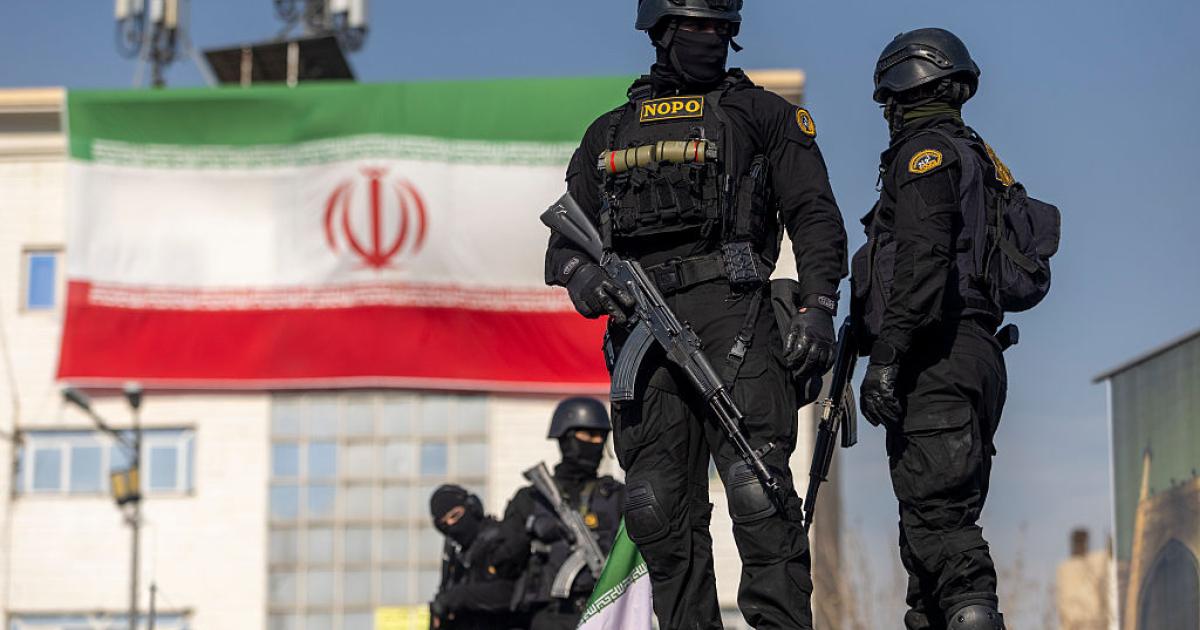
On the other side of the region, eyes are turning to Iran, where the risk of an internal explosion with catastrophic regional repercussions looms. Recent protests, violently suppressed, opened the door to mutual accusations of foreign interference, especially from the United States and Israel. Despite the difficulty of verifying these narratives amid information blackouts, recent history confirms Israel's extensive intelligence network within Iran and its capacity for subversive action.
According to the author, the paradox is that the overthrow of the Islamic Republic, if it occurs, will not necessarily lead to a more stable or Western-aligned system. On the contrary, a scenario of vacuum and chaos—similar to Libya or Syria—seems more likely, given the absence of organized political forces capable of filling the void. This partly explains the reservations of some Arab leaders about Netanyahu's rush towards a comprehensive confrontation with Tehran, as they recognize the cost of an Iranian collapse for the entire region.
Syria: Unification by Force and Underlying Fragility
In Syria, the new government is making progress in regaining control of territory, with implicit support from Washington, and at the expense of the Syrian Democratic Forces. This shift has left the Kurds in shock, after years of partnership with the United States in fighting ISIS. Although Damascus has issued decrees to reassure the Kurds and protect their cultural rights, the loss of Rojava represents a devastating blow to the project of self-rule and puts the fragile ceasefire at risk.
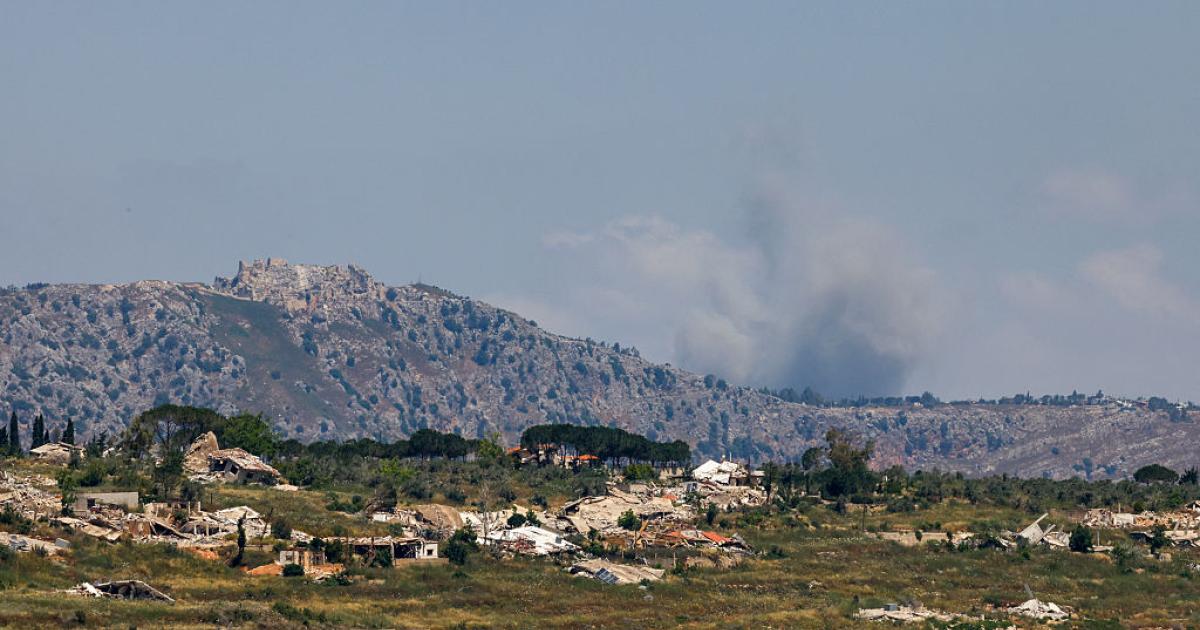
In the south, the Israeli occupation stands out as a primary disruptive factor to any Syrian stability. Israel does not hide its opposition to a unified and strong Syria, but it tries to manage this rejection cautiously, through political pressure in Washington, or through calculated military movements that could ignite new fronts.
Intertwined Conflicts: One Region, Multiple Crises
The repercussions of these crises also extend to Iraq, where any escalation in Syria or Iran raises immediate concerns, especially in Kurdish areas. The fate of thousands of ISIS detainees in northern Syria remains a ticking time bomb, which could explode if current security arrangements collapse. In the south, tensions between Saudi Arabia and the UAE in Yemen and Sudan reflect how Gulf proxy wars can destroy entire countries, amid international silence or complicity.
What is happening in the Middle East today is not a series of separate crises, but a logical consequence of a regional system governed by force, not law, and by deals, not justice. The United States, despite its hesitant rhetoric, remains the most influential player in igniting or extinguishing fires, but it often chooses the former option, either out of incapacity or self-interest. And Israel, the immediate beneficiary of the chaos, ignores the fact that the collapse of states around it will not create lasting security. The continuation of this path threatens not only the region but also portends a global cost, as the Middle East once again becomes the spark that ignites crises far beyond its borders.

Share your opinion
The Middle East on the Brink of Explosion: How the US and Israel are Redesigning Regional Chaos