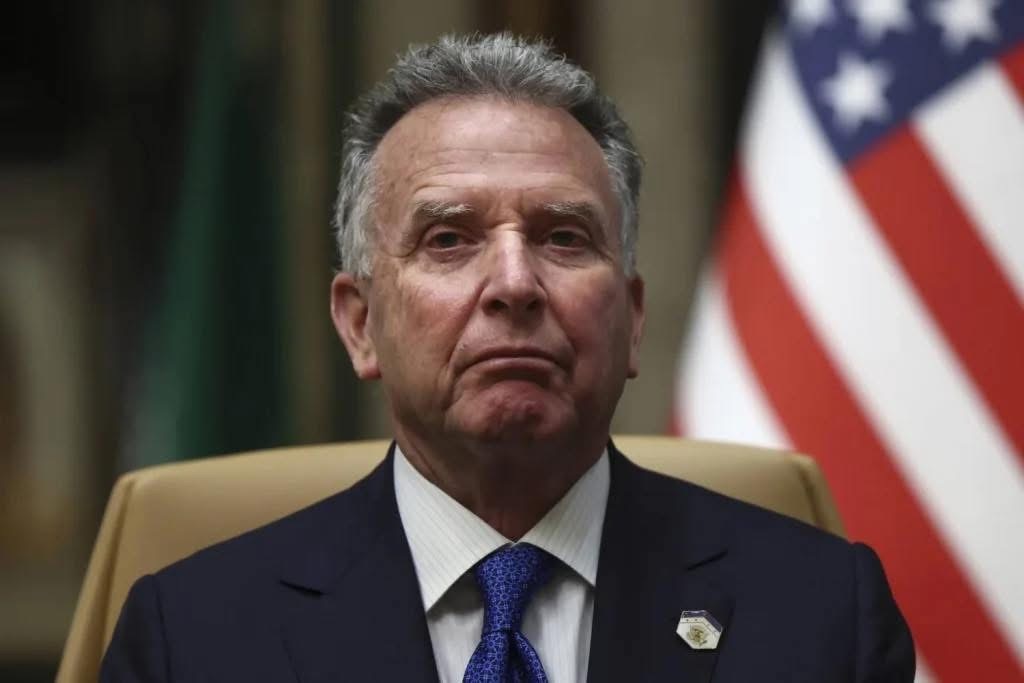







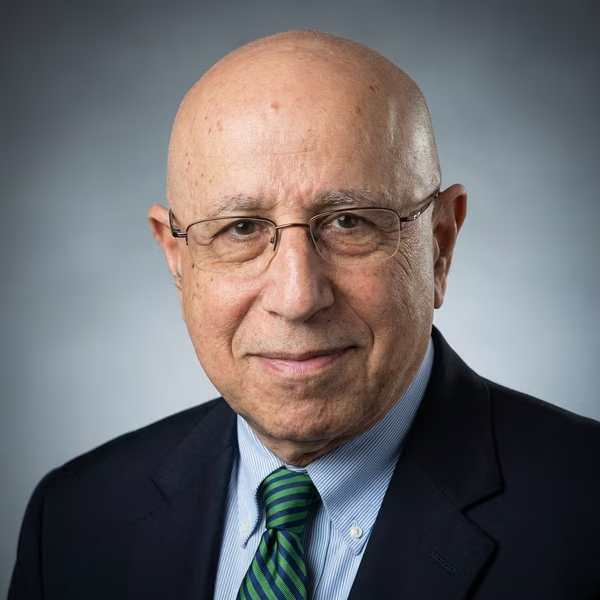
Informed sources in Washington reported that American envoys Steve Witkoff and Jared Kushner held talks in Tel Aviv with Israeli Prime Minister Benjamin Netanyahu on Saturday, as part of American efforts to push for the implementation of the second phase of the understandings related to the ceasefire in Gaza. These moves come at a time when Washington is working to market a comprehensive political and security plan to manage the post-war phase, amidst clear discrepancies regarding implementation mechanisms and their implications for the humanitarian situation in the Strip.
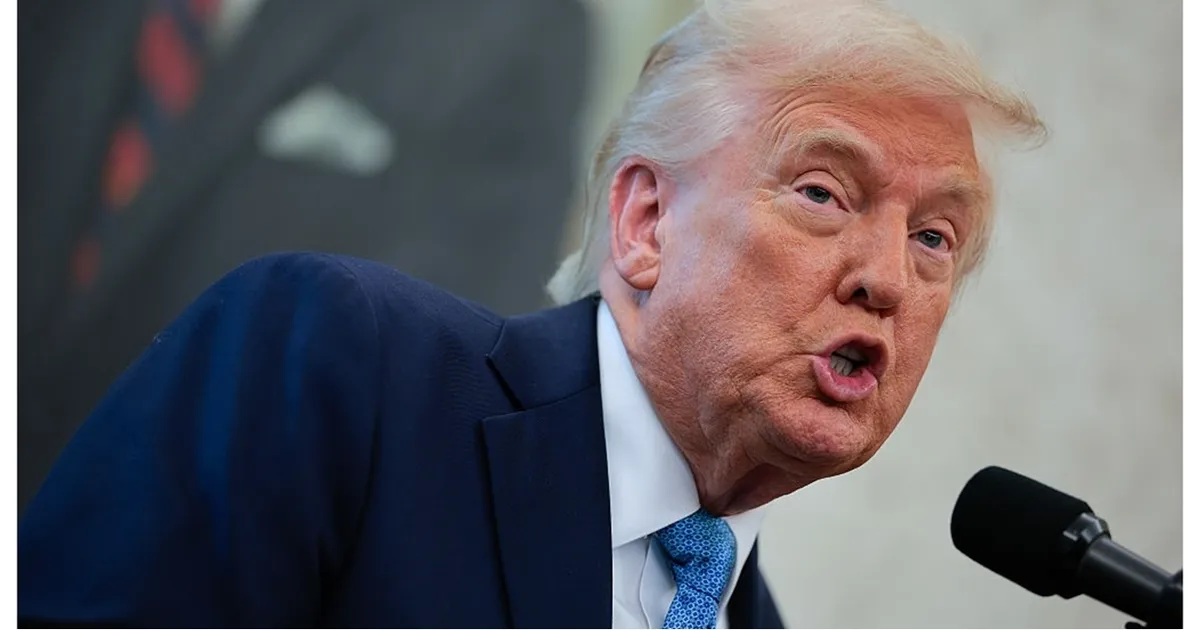
The White House spoke of a twenty-point plan (which President Trump had launched from the White House on September 29, 2025, in Netanyahu's presence), while details were leaked about a "new Gaza" to be built from scratch: residential towers, data centers, and coastal resorts. A discourse closer to an investment brochure than a humanitarian project, ignoring that Gaza is not an empty land but a wounded society, exhausted by bombing, siege, and mass killings. Thus, reconstruction turns into a political tool, conditioned on Israeli security and the disarmament of Palestinians, not on their national rights.
In the background, the issue of the body of the last Israeli hostage, Ran Gvili, surfaces, which the Israeli government uses as a pretext to slow down any humanitarian relief for Gaza. However, leaks reveal that Washington exerted direct pressure on Israel to reopen the Rafah crossing, not in response to the needs of more than two million besieged people, but as part of a comprehensive political deal announced from Davos, far from Gaza and its people.
According to experts, the reopening of the crossing, as its details become clear, is not a restoration of Palestinian sovereignty nor an actual lifting of the siege, but a re-production of a more complex system of control and surveillance: remote Israeli monitoring, electronic device inspection, prior approvals, and nearby military deployment. A crossing without Israeli soldiers in the picture, but with a full security grip behind the scenes.
Even the management of the crossing was entrusted to an old international framework (the EU mission) with limited Palestinian security participation, in a tested formula that previously failed and ended with the closure of the crossing after weeks. All this suggests that what is marketed as a humanitarian step is merely a temporary security arrangement, subject to cancellation at any moment, according to the Israeli political mood.
As for the shocking numbers of casualties in Gaza, which have exceeded 71,000 killed since October 2023, they only appear as footnotes in the Western narrative, always accompanied by phrases of doubt, while the initial Israeli narrative is re-established as the sole starting point for history.
The second phase that Washington is talking about practically means a partial withdrawal of Israeli forces, in exchange for the disarmament of Gaza and the handover of its administration, in an equation where the Palestinian issue is reduced to a security matter, and popular will and the right to self-determination are excluded. It is a peace intended to be born conditional, fragile, and subject to the logic of power, not justice.
Recent American moves indicate that Washington's approach to the Gaza file has focused more on managing the post-war phase than on addressing its causes. The proposed reconstruction plan is presented within a comprehensive political and security package, linked to the reordering of authority and disarmament, not to lifting the siege or ensuring civilian rights. This interconnectedness reflects an American orientation to stabilize through long-term control tools, amidst questions about the ability of this approach to produce sustainable calm.
Experts also believe that opening the Rafah crossing in this manner reveals the essence of the next phase as control without direct occupation, and siege without tanks at the gate, or what is considered an updated version of conflict management, not its resolution. The most dangerous aspect is that these arrangements are presented as Israeli concessions, while in reality they are a consolidation of a broader control network, managed internationally and implemented by Israel. In such contexts, humanitarian language becomes a cover for a harsh political reality, reproduced in the name of peace.


Share your opinion
Witkoff and Kushner in Tel Aviv to Convince Netanyahu that Phase Two is in Israel's Interest