







Satellite images and analysis, along with testimonies from local residents, showed that "Israel" moved concrete blocks into the Al-Tuffah neighborhood in Gaza City; a move Palestinians considered a "clear violation" of the US-backed ceasefire agreement, which was supposed to define the "Yellow Line" as a dividing line between Israeli forces and Palestinian-controlled areas.
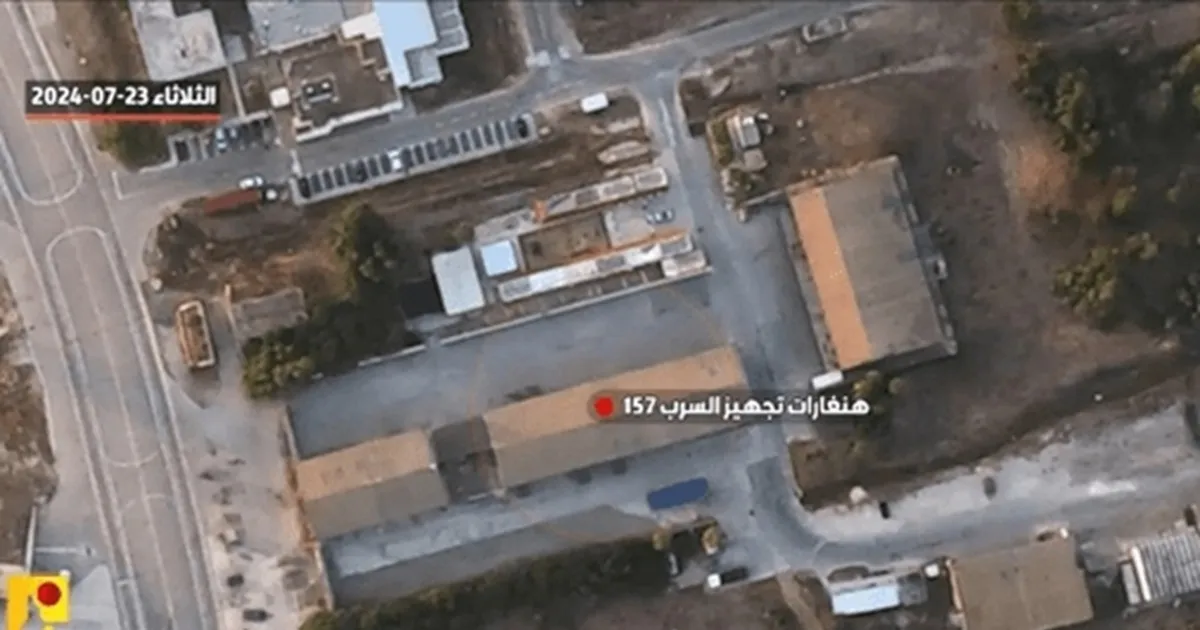
The images indicate that the blocks, which were initially on the borders of the "Yellow Line," were moved up to 200 meters into territories controlled by the "Hamas" movement; leading to the destruction of dozens of buildings and the displacement of thousands of residents who had sought refuge in the Al-Tuffah neighborhood after the ceasefire came into effect last October. The images also showed "Israel" establishing at least six military fortifications in different areas, some of which are located only 264 meters from the control line.
Palestinians say they were forced to flee, including Manal Abu Al-Kas and her family, who lost two of her children in the neighborhood, and had to leave their home after the blocks were moved. She said: "We stayed at home until they started placing the yellow stone, then we left under pressure and bombardment."
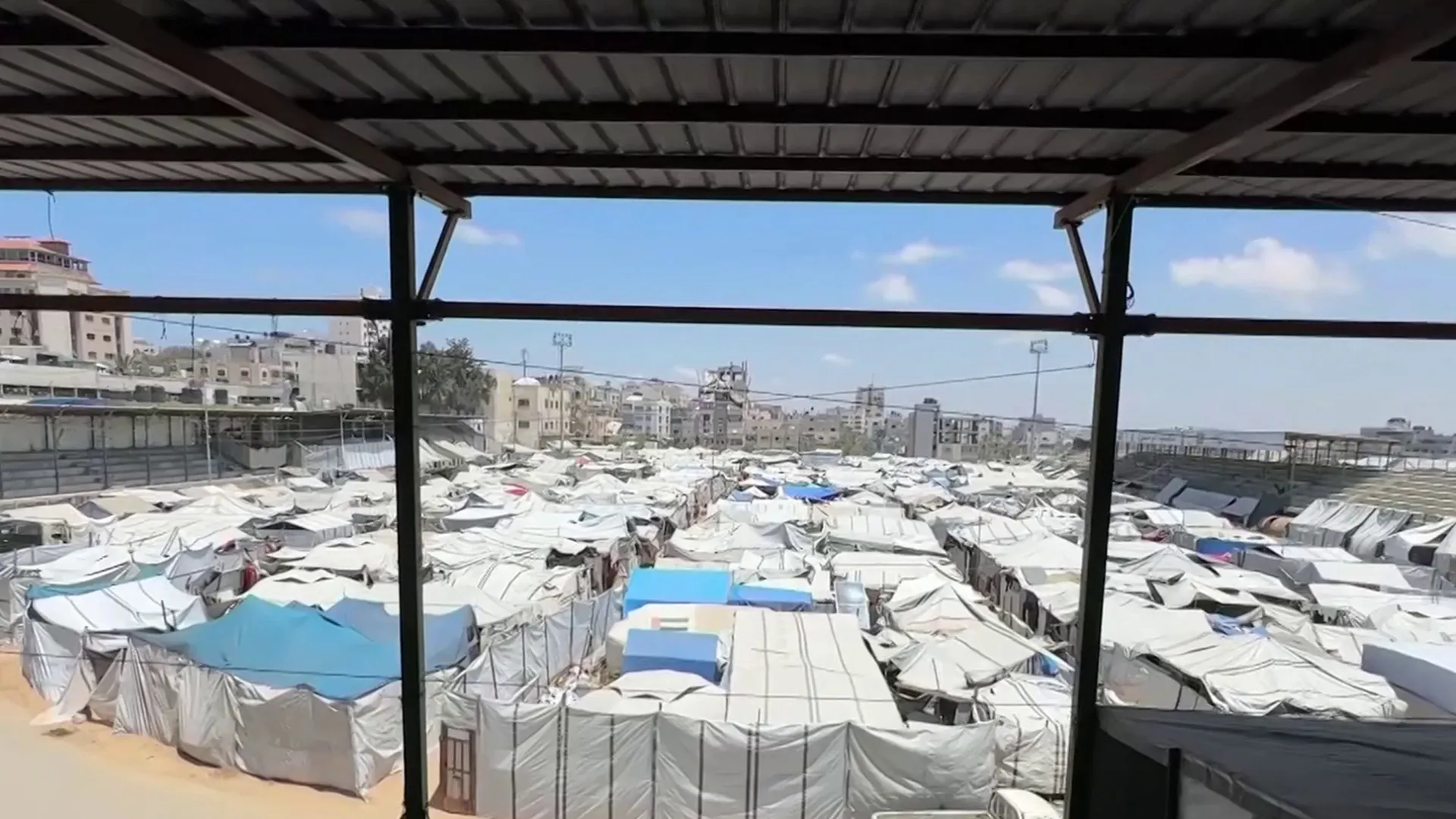
Reports indicate that the movement of blocks and destruction of buildings were not limited to the Al-Tuffah neighborhood, but also included other areas in Gaza, including Khan Yunis; where two blocks were placed at distances of up to 390 and 220 meters behind the "Yellow Line," in addition to the destruction of tent encampments designated for displaced persons.
For its part, the Israeli army denied in a statement that it had changed the "Yellow Line," noting that its demarcation is done visually according to terrain and topographical conditions, and that the published maps of the line were "illustrative," but it did not explain why the blocks were moved or buildings destroyed. In contrast, Hazem Qassem, a spokesman for "Hamas," said that "Israel" continues to push the Yellow Line westward; which narrows the area of the Strip and confines its residents to a strip 30 percent smaller than the original area," stressing that the US-backed agreement limits "Israel's" control to more than half of the Strip, linking the withdrawal of forces to the disarmament of "Hamas."
Despite the ceasefire agreement, Israel continues to fire on Palestinians in areas surrounding the Yellow Line, accusing militants of attempting to cross the line or attack forces, while the army uses drones to monitor the area. Fighting since the agreement came into effect in October has resulted in the deaths of more than 460 Palestinians, including children, compared to the deaths of three Israeli soldiers.
These movements raise fears of an actual division of the Strip, with the possibility of reconstruction operations being limited to areas under Israeli control, while millions of Palestinians remain forced to live in cramped areas or in tents and destroyed buildings.
We stayed at home until they started placing the yellow stone, then we left under pressure and bombardment.


Share your opinion
Satellite images reveal: "Israel" shifts "Yellow Line" and encroaches on parts of Al-Tuffah neighborhood, east of Gaza