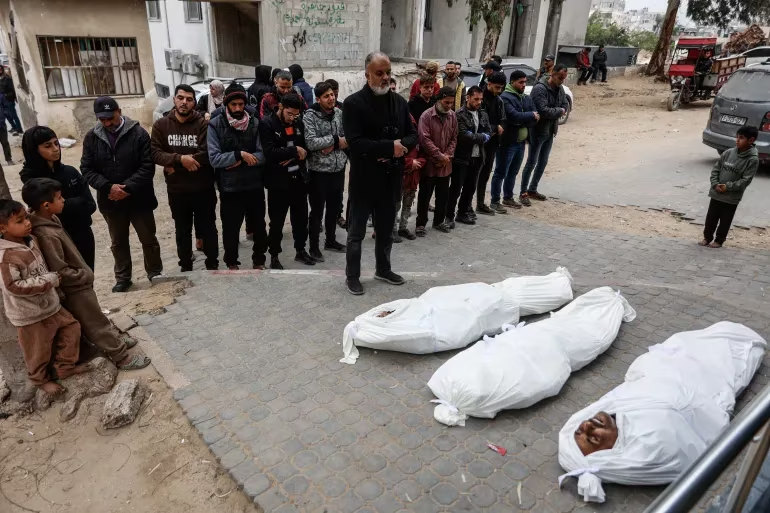







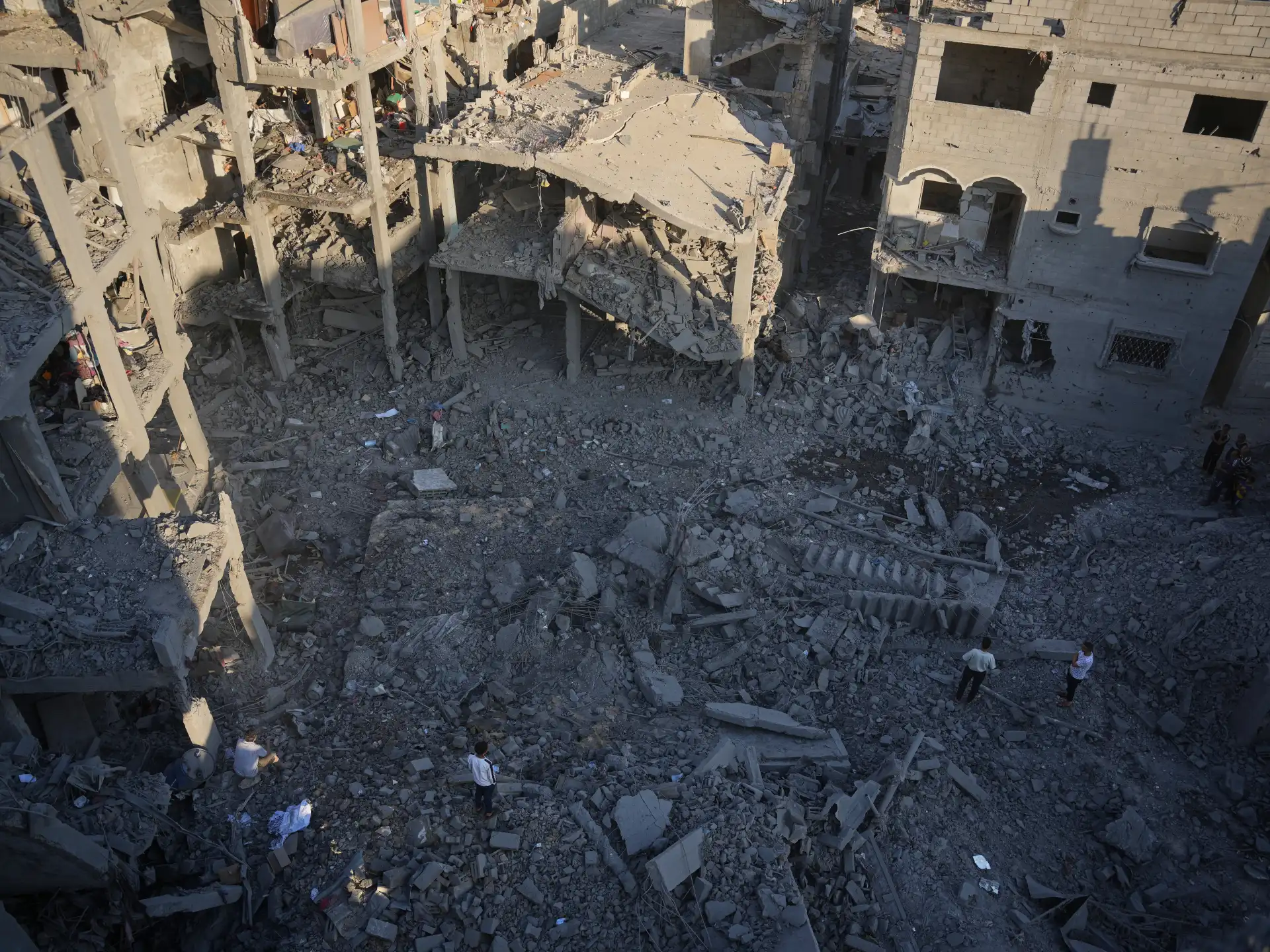
Sources reported intense Israeli artillery shelling within the areas of the occupation army's deployment in the Shuja'iyya neighborhood, east of Gaza City. Medical sources confirmed that a Palestinian youth was injured on Friday after being targeted by Israeli drone fire near the Shuja'iyya intersection in the city. The area south of Khan Yunis city also came under heavy fire from Israeli military vehicles, and the Israeli army carried out artillery shelling in various areas of the Gaza Strip, including areas north of Rafah city in the southern part of the Strip, in a daily violation of the ceasefire. This comes a day after 11 Palestinians, including two children and three journalists, were killed in separate attacks in Gaza on Thursday, the highest daily toll since the ceasefire agreement was signed last October.
Infant Youssef Abu Hammad (6 months old) also died due to the severe cold in Khan Yunis, after suffering from illness, amid deteriorating health conditions and a shortage of medicines. This brings the death toll among children in the Gaza Strip due to the severe cold since the beginning of winter to 11 children. The child's father, Abu Hammad - who was blessed with his child after 17 years of waiting - said that he died due to dehydration, following severe diarrhea he was suffering from, and added that doctors were unable to provide treatment for his child due to the lack of medicines and the deteriorating health situation.
Palestinians in the Strip are living in tragic humanitarian conditions, which have worsened during the winter, in light of Israel's evasion of its obligations stipulated in the ceasefire agreement, including opening crossings and allowing the agreed-upon quantities of humanitarian, relief, medical aid, and shelter materials to enter.
UN Appeal The United Nations Office of Human Rights in the Occupied Palestinian Territory warned on Friday of the continued killing of civilians due to Israeli attacks in Gaza, in the context of a broader pattern of ongoing violence after the signing of the ceasefire agreement, two years after the war.
Ajith Sunghay, director of the UN office, affirmed in a statement that "the international community must intensify support and pressure to stop the bloodshed, and promote a human rights-based approach to recovery and reconstruction."
He said that "the crisis in Gaza is far from over, especially as people are dying daily, either in Israeli attacks or due to the continued Israeli restrictions on the entry of humanitarian aid, especially regarding shelter, which has led to deaths due to the cold and buildings collapsing on those inside."
He pointed out that at least 216 Palestinians have been killed since the ceasefire until January 21st, including at least 46 children and 28 women, in Israeli attacks that occurred away from what is called the "Yellow Line."
He added that displaced persons' shelters and residential buildings were primarily targeted, and at least 167 Palestinians were killed around the "Yellow Line," including 26 children and 17 women.
Rafah Crossing Meanwhile, Jens Laerke, spokesperson for the United Nations Office for the Coordination of Humanitarian Affairs (OCHA), said that reopening the Rafah border crossing would expand the scope of humanitarian relief efforts.
Laerke expressed hope to sources on Friday that the Rafah border crossing would be reopened soon to facilitate the movement of goods and people, stressing that resuming the movement of goods through the crossing would increase the volume of humanitarian aid entering the Gaza Strip.
It is worth noting that the head of the Palestinian National Committee for Gaza Administration, Ali Shaath, announced on Thursday in a speech delivered to the "Peace Council" via a video message that the Rafah border crossing would open in both directions next week, and said that "the Rafah crossing is a lifeline, and its opening is a sign that Gaza is no longer closed off from the future and the world."
US Ambassador to Tel Aviv Mike Huckabee also predicted on Thursday that Israel would soon reopen the Rafah crossing, and told the Israeli Broadcasting Corporation that "Israel will soon need to open the Rafah crossing, this will happen soon, and Israel will open the crossing."
The crisis in Gaza is far from over, especially as people are dying daily.

Share your opinion
UN concern over rising casualties in Gaza due to bombing, cold, and disease