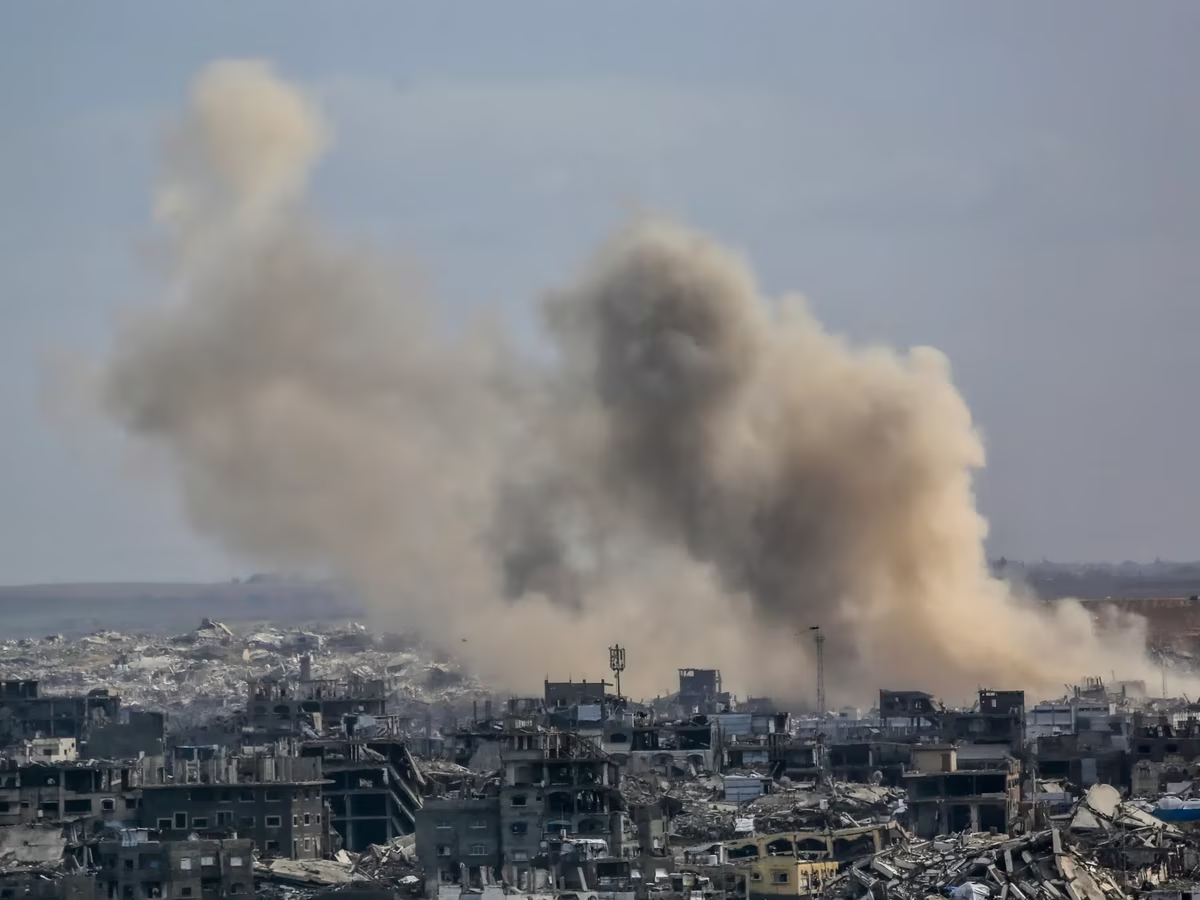







Israel is escalating its military operations in the Gaza Strip at a moment that is supposed to be transitional after Washington announced the start of the second phase of the ceasefire agreement, in a scene that reflects a stark contradiction between the declared political path and the explosive reality on the ground. Israeli shelling that hit various areas in the Strip resulted in the martyrdom of 11 Palestinians, including journalists and children, which analysts considered to carry a multi-directional message where war calculations, disarmament, and post-agreement arrangements intersect.
Mohannad Mustafa, an expert in Israeli affairs, believes that the significance of this escalation lies in Israel's endeavor to normalize the military situation in Gaza, indicating that shelling and killing are becoming routine matters that do not entail political consequences or accountability within the ceasefire agreement. Mustafa pointed out - during his interview with the program "Events Track" - that the occupation army's statement based on "suspicion" of drone use was used as a pretext to justify the killing of Palestinians and journalists, as part of a deliberate ease in using force. According to Mustafa, Israel seeks to keep the option of extensive military operations open in the future, and to prepare mediators, Washington, and the "Peace Council" to deal with this reality as an existing fact.
In the same context, writer and political analyst Iyad Al-Qara described the Israeli escalation as "the worst," with the expansion of violations in Gaza, its north, and Khan Yunis to the south. He affirmed that Israel is practically moving to cancel what is known as the Yellow Zone, and completely clear the areas near the "Yellow Line" by destroying what remains of buildings and infrastructure. Al-Qara went on to say that this systematic destruction falls within preparations for reshaping the geography, either to establish subsequent displacement areas or to solidify facts on the ground that would render any presence of international stabilization forces without real substance.
In contrast, former US National Security Advisor Mark Feivel noted that Israel focuses exclusively on the militarization of Hamas, ignoring equally important elements such as humanitarian relief, a sense of security, local governance, and sustainable security. Feivel warned that ignoring these issues would lead to continued attacks and suffering, regardless of the political frameworks.
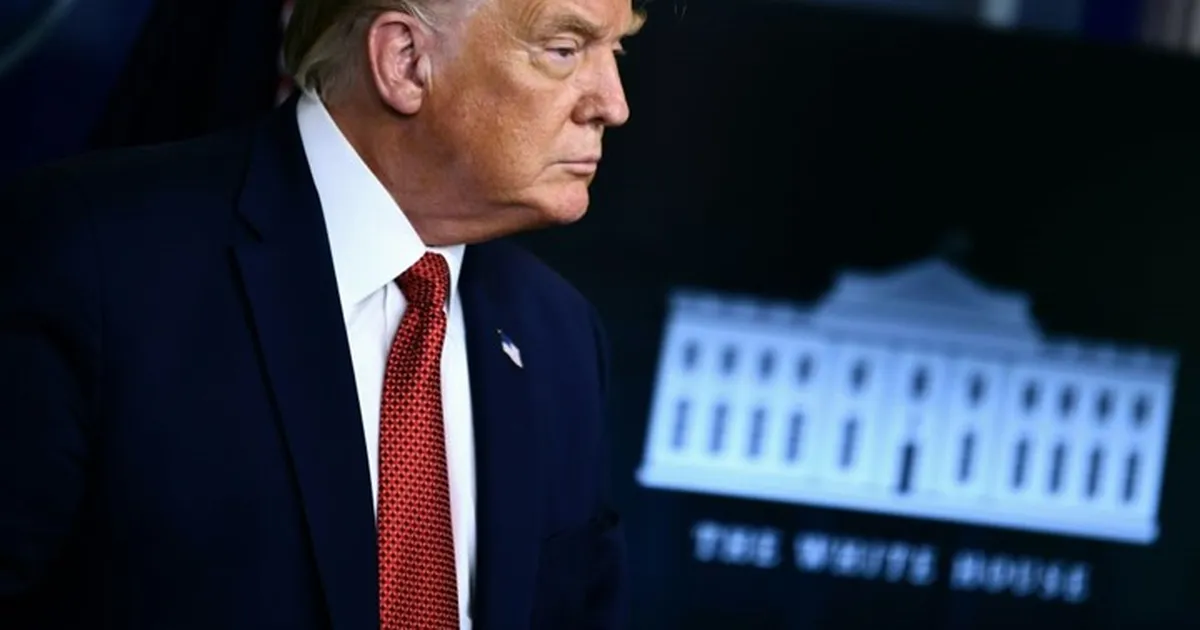
In this context, Israel's invitation to join the Peace Council emerged, raising widespread questions. Mohannad Mustafa considered that Prime Minister Benjamin Netanyahu's approval does not stem from a desire to resolve the Gaza crisis, but from his pursuit of gaining the favor of US President Donald Trump and opening a direct channel with him. The Israeli agenda, according to Mustafa, is to thwart the second phase in its current form, and to try to convince Trump to impose a specific deadline for disarming Hamas, considering it the only valuable goal for Israel, while bypassing traditional international institutions and delegitimizing the United Nations.
Netanyahu's plan - according to the expert in Israeli affairs - is based on linking any withdrawal from the Gaza Strip, the opening of the Rafah crossing, and enabling the Gaza management committee to begin its work, to achieving one condition: disarmament. In this regard, Netanyahu has repeatedly reiterated adherence to two conditions for entering the second phase of the ceasefire agreement: the handover of the body of the last Israeli captive in Gaza, and the disarmament of Hamas and the general population of the Strip.
For his part, Al-Qara rejected reliance on the Peace Council, describing it as a framework that offers nothing to Palestinians, but rather empties the second phase of its content, entrenches the Israeli presence, and hinders any administrative or international arrangements in Gaza. As for Feivel, he linked the council's effectiveness to its actual ability to influence, warning against its transformation into a symbolic platform if it does not have clear powers, while emphasizing the necessity of involving Palestinians in any path to governance and stability.
The Israeli escalation is "the worst," with the expansion of violations in Gaza, its north, and Khan Yunis to the south.


Share your opinion
Why is Israel escalating in Gaza and joining the "Peace Council"?