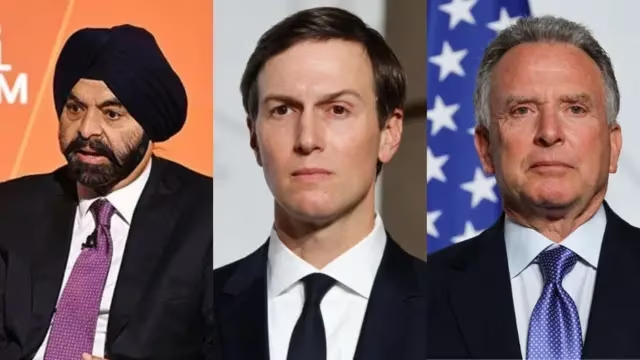







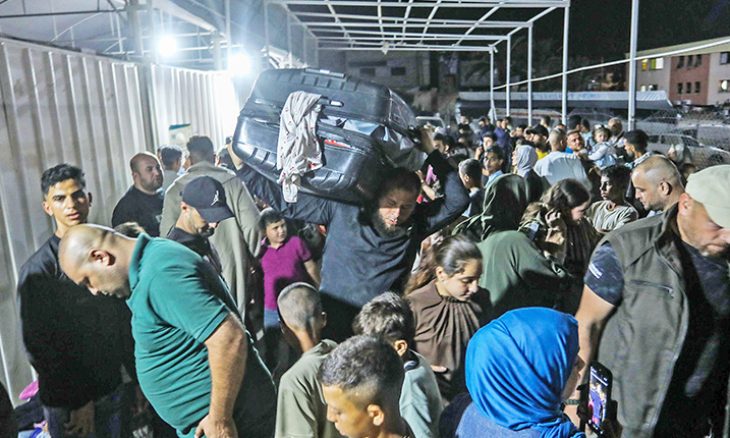
On Friday, the White House unveiled the international framework through which the United States intends to manage the Gaza Strip in the post-war phase. This move reflects an American shift from conflict management to engineering a complex transitional phase, where politics intertwine with security, diplomacy with economics, and symbolism with actual authority. The announcement was not limited to names but revealed a comprehensive vision for Gaza's governance, based on a broad international council, an executive committee with real influence, a technocratic Palestinian facade, and an international stabilization force whose features are yet to be fully defined.
At the heart of this framework stands the Executive Committee of the Peace Council, which includes a striking mix of regional and international figures. Prominent members include Turkish Foreign Minister Hakan Fidan, Qatari diplomat Ali Al-Thawadi, Egyptian Intelligence Chief Hassan Rashad, UAE Minister of International Cooperation Reem Al Hashimy, in addition to former British Prime Minister Tony Blair. This composition reflects an American attempt to combine countries that have direct communication channels with Palestinian actors, and others capable of providing international political and financial cover.
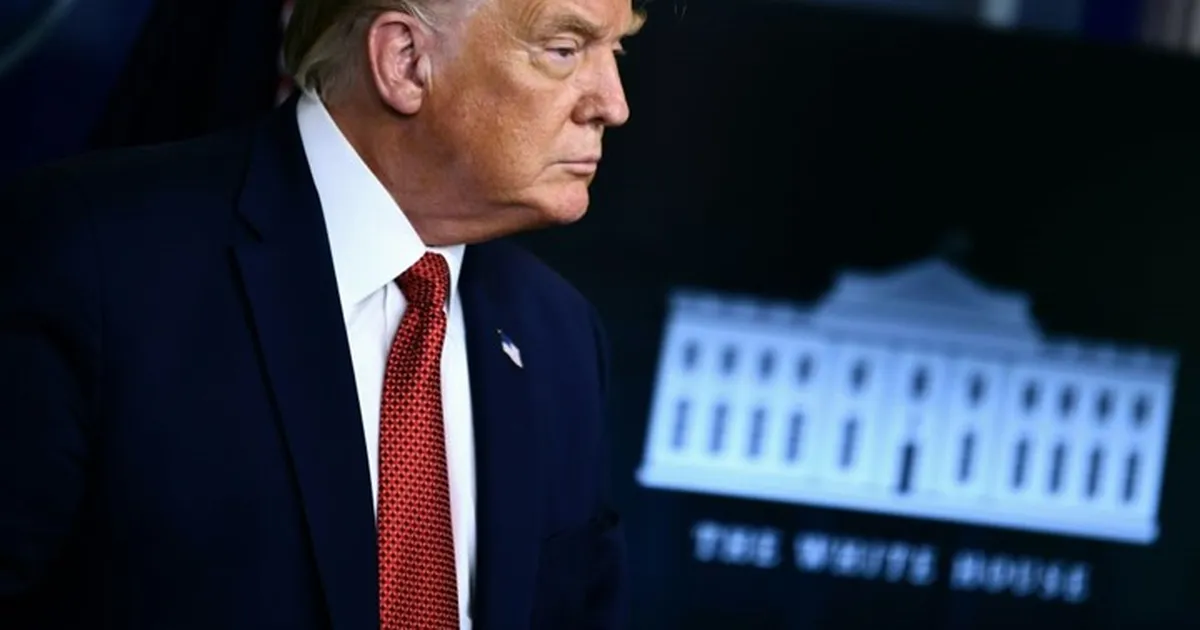
The inclusion of Turkey and Qatar is likely to provoke resentment in Tel Aviv, but it also reflects President Donald Trump's conviction that these two countries have an indispensable role, especially after his repeated praise for their ability to influence Hamas's decision and contribute to the ceasefire announced on October 10th.
The Executive Committee will directly oversee the National Committee for Gaza Administration, a new Palestinian body composed of technocrats, entrusted with the responsibility of managing the daily affairs of the Strip, providing essential services, and rebuilding civil institutions. This committee operates under the umbrella of the Peace Council, chaired by Trump himself, and is expected to be officially announced within days. Its role – according to the White House's description – is closer to strategic and symbolic oversight, in contrast to the Executive Committee's actual executive authority.
The Executive Committee also includes influential American and international figures, among them US Special Envoy Steve Witkoff, Trump's son-in-law and advisor Jared Kushner, Apollo Global Management CEO Marc Rowan, Israeli-Cypriot businessman Yakir Gabay, as well as former UN Humanitarian Coordinator Sigrid Kaag, and former UN Envoy to the Middle East Nickolay Mladenov.
Mladenov will play a pivotal role as the High Representative of the Peace Council in Gaza, serving as the on-the-ground link between international structures and the local Palestinian administration. The White House clarified that his mission will include overseeing aspects of governance, reconstruction, and development, while ensuring coordination between civil and security tracks.
The Palestinian National Committee held its first meeting with Mladenov in Cairo, with virtual attendance from Kushner and Witkoff. This committee is chaired by Dr. Ali Shaath, former Deputy Minister of Planning in the Palestinian Authority, whom the White House described as a widely respected technocratic leader with experience in public administration and economic development, capable of managing a highly sensitive phase intended to establish long-term sustainable self-governance.
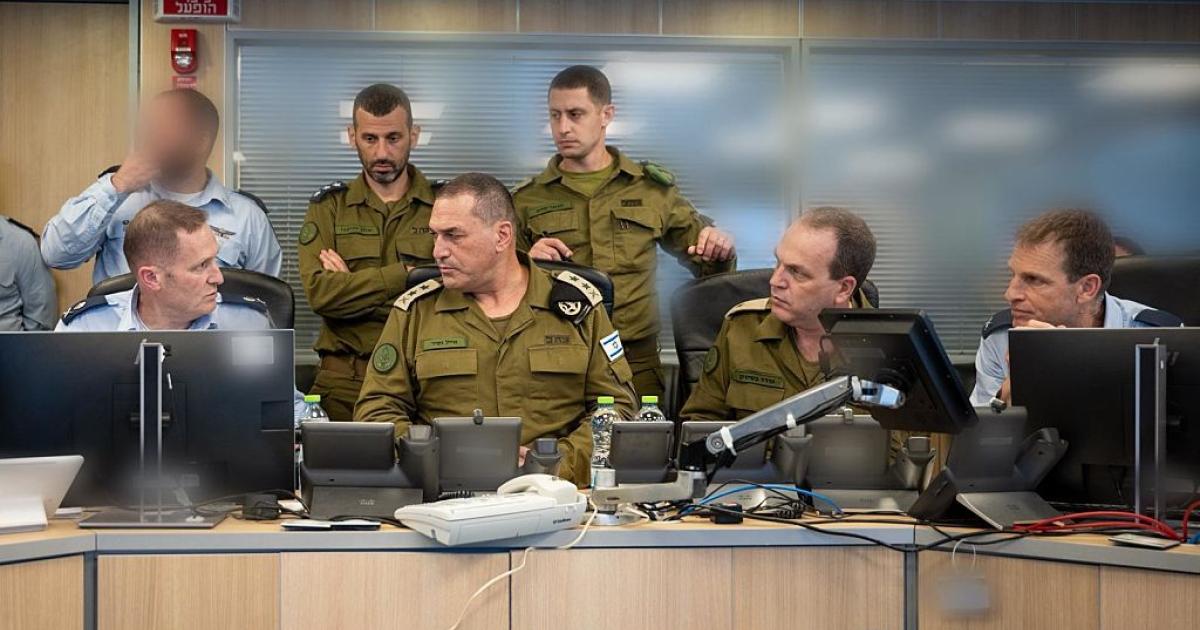
On the security front, the White House announced the appointment of US Major General Jasper Jeffers, commander of special operations in the US Central Command, as commander of the international stabilization force to be deployed in Gaza. This force will be tasked with securing the Strip, facilitating a gradual withdrawal of Israeli forces, and ensuring the delivery of humanitarian aid and reconstruction materials. Jeffers has previous experience in managing ceasefire arrangements, having played a leading role in the truce monitoring mechanism between Israel and Hezbollah in Lebanon in 2024.
However, this force still faces serious obstacles, most notably the difficulty of convincing countries to contribute troops on the ground, given the ambiguity surrounding the fate of Hamas's weapons and the limits of Israeli withdrawal. Azerbaijan, one of the countries promoted by Washington, has announced its non-participation, while American officials assert that sufficient commitments have been gathered, and an official announcement will be made within weeks.
The American plan for Gaza's administration reflects an approach of "transitional administration without sovereignty," where fundamental questions related to political representation and legitimacy are set aside in favor of a technocratic-security model managed by external powers. Despite the soft language about development and stability, the absence of a clear political horizon, especially regarding ending the occupation and defining the future of governance, threatens to transform this framework into a new version of chronic crisis management, rather than a radical solution to the conflict.
The proposed international composition reveals a structural contradiction: it seeks to involve influential regional parties, but at the same time keeps the final decision in Washington's hands, under the umbrella of Trump's own vision. This contradiction may undermine the plan's effectiveness on the ground, especially if Israeli security priorities clash with the requirements of societal stability in Gaza, or with the aspirations of Palestinians for genuine national governance not managed by proxy.


Share your opinion
White House Reveals Identity of International Committee Members to Oversee Gaza Administration and Outlines "The Day After"