





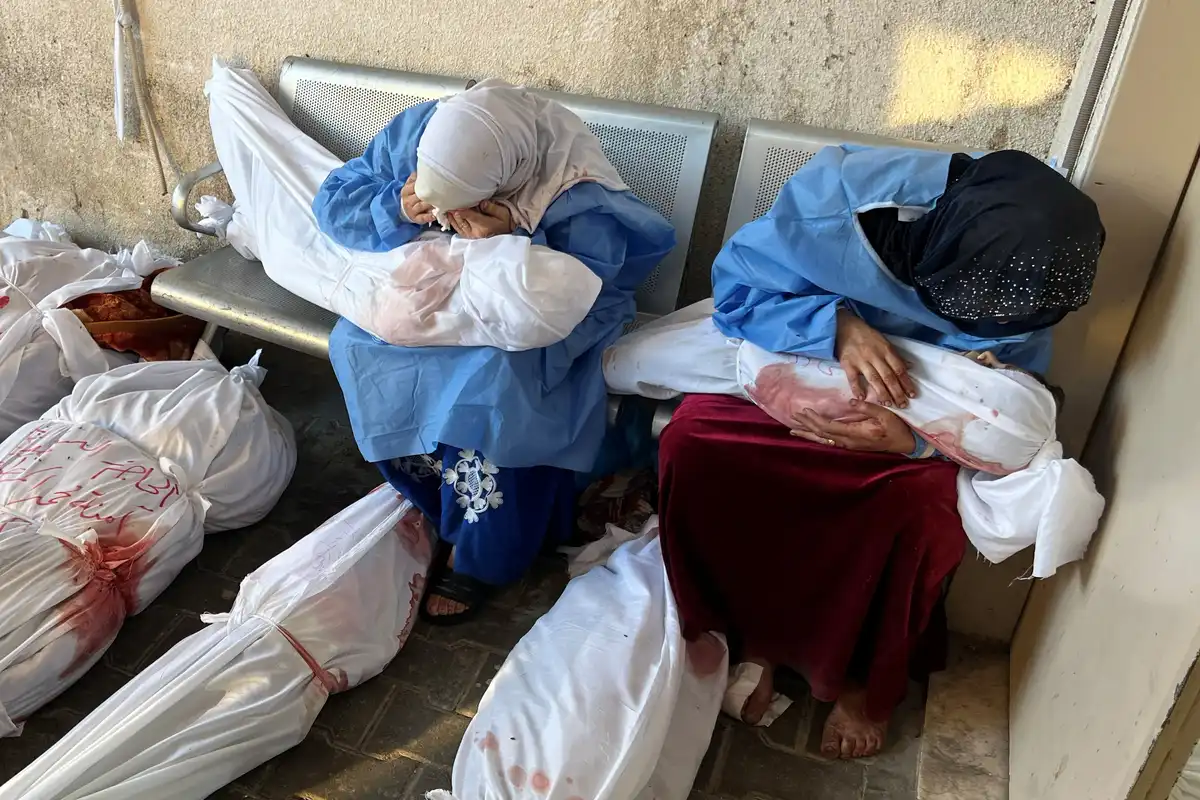
The United Nations Children's Fund (UNICEF) has revealed shocking figures confirming the killing of more than 100 Palestinian children in the Gaza Strip since the US-backed ceasefire began on October 10th. This ceasefire, the organization stated, has been repeatedly violated by the Israeli army. These figures, which represent at a minimum an ongoing humanitarian tragedy, reflect the fragility of the truce and its transformation from a tool to protect civilians into a cover for a bloody reality that has not ceased.
UNICEF spokesperson James Elder said that more than one hundred children have been killed during what is supposed to be a period of calm, meaning approximately one child per day. He explained that the organization documented the killing of at least 60 boys and 40 girls, noting that these statistics only include cases for which sufficient detailed data was available, meaning the actual number could be much higher. He added that hundreds of other children have suffered varying injuries, some of which leave permanent physical and psychological scars.
Elder indicated that the means of killing varied between airstrikes, drone attacks, including suicide drones, in addition to tank shells, live ammunition, and even remote-controlled quadcopters. This diversity in killing tools, according to observers, reflects the widening scope of military operations despite repeated political talk of de-escalation.
For its part, the Ministry of Health in Gaza announced that Israeli forces have killed 447 Palestinians and injured 1246 others since the ceasefire came into effect, noting that five Palestinians were killed in the past twenty-four hours alone. These figures show a clear gap between the international discourse that speaks of "de-escalation" and the reality on the ground, which indicates continued human bloodshed.
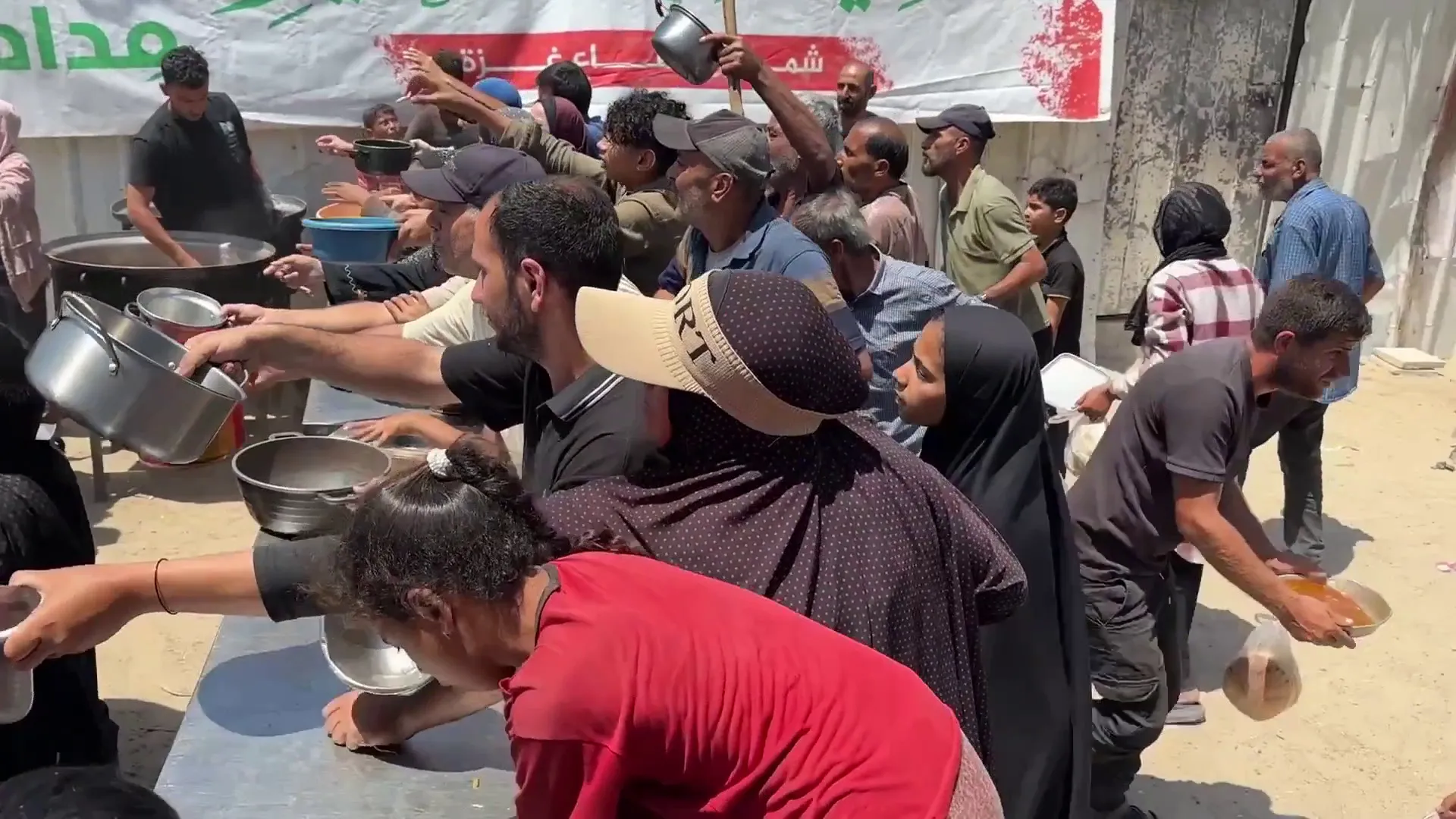
The suffering of children was not limited to direct shelling, as Elder pointed to other deaths resulting from harsh living conditions. Six children died this winter due to hypothermia, as thousands of families live in dilapidated tents or among the rubble of destroyed homes, and with continued Israeli restrictions on the entry of essential materials. Elder described scenes of strong winds tearing tents on the Gaza beach, and severe cold accompanied by high humidity, confirming that these conditions are no less deadly than shelling.
The UNICEF spokesperson noted that the humanitarian situation saw limited improvement in some areas after the signing of the ceasefire agreement, but he stressed that this improvement remains partial and temporary given the continued restrictions, especially those imposed on medical evacuations, the entry of aid, and freedom of movement. He called for the full and strict implementation of the truce, and the lifting of all restrictions that hinder the protection of civilians, especially children.
Elder affirmed that a ceasefire that reduces the pace of shelling is a positive step, but it is not enough as long as children continue to be buried under the rubble. He considered what is happening to be a "moral and legal warning" that requires a genuine commitment from all parties, accountability for those responsible for violations, and the transformation of temporary violence reduction into permanent security. He added that the current moment must be a turning point that definitively stops the killing of children in Gaza.
UNICEF's figures reveal a structural flaw in the concept of a "ceasefire" when it is emptied of its humanitarian content. A truce that does not protect children and does not guarantee their safety becomes merely a political measure to manage the conflict, not to end it. The continued killing during the truce raises legal and ethical questions about the responsibility of the parties sponsoring the agreement, and puts the international community to a real test: either protect civilians or implicitly accept the violation of the right to life.
The tragedy of Gaza's children also shows that violence is not measured only by the number of shells, but also by the policies that besiege daily life. Death from cold inside tents, or due to the absence of medical evacuation, is another form of systemic violence. The focus on numbers should not obscure the deeper human dimension: childhood stolen, future destroyed, and a collective memory that will remain burdened by loss unless this bleeding stops.

PALESTINE
Wed 14 Jan 2026 2:07 pm - Jerusalem Time
UNICEF: More than 100 children killed in Gaza since ceasefire
Tags
MORE FROM PALESTINE
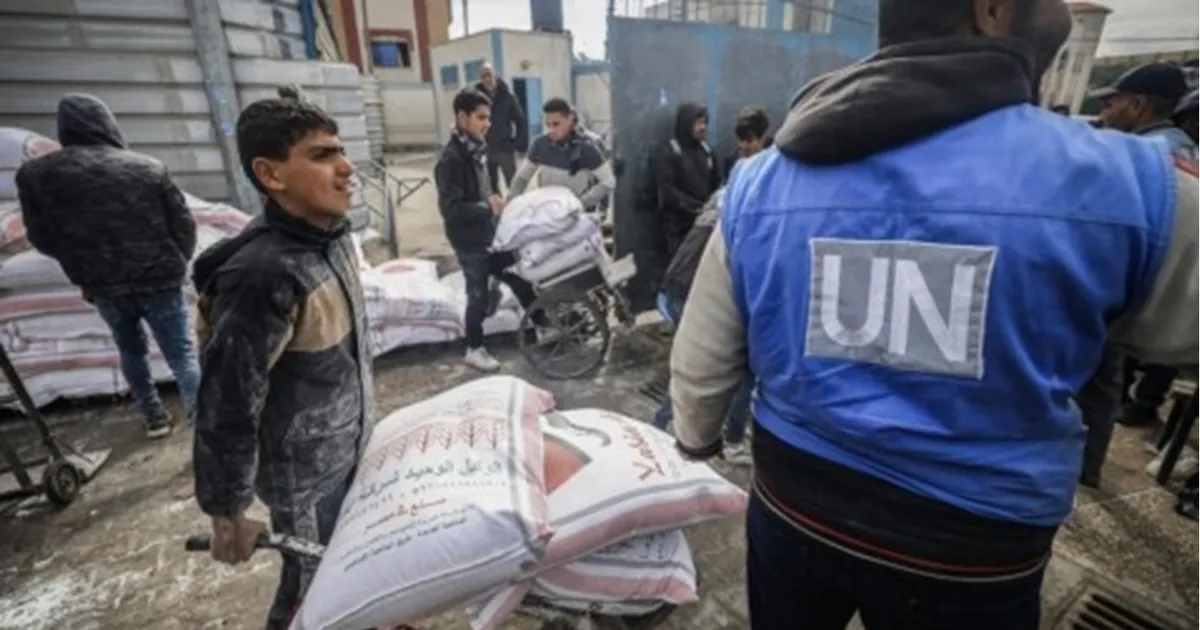
Human Rights Organization Accuses 'UNRWA' of Succumbing to Occupation After Dismissing 70 Employees in Gaza
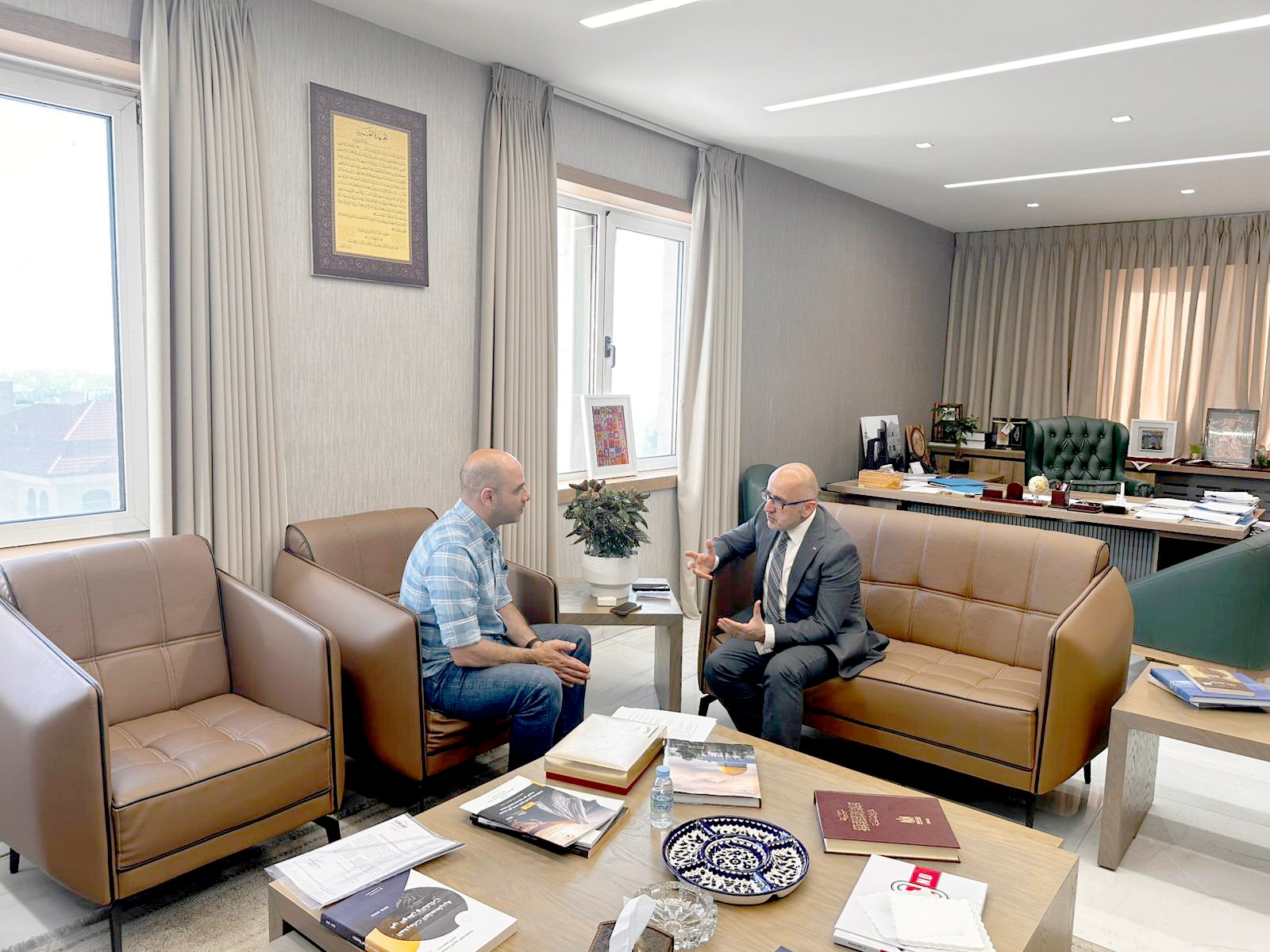
Minister of Finance and Planning Dr. Estefan Salameh in a special meeting with "Al-Quds": "Yaboos" is the nucleus of an integrated digital government portfolio that will be a lever for community resilience
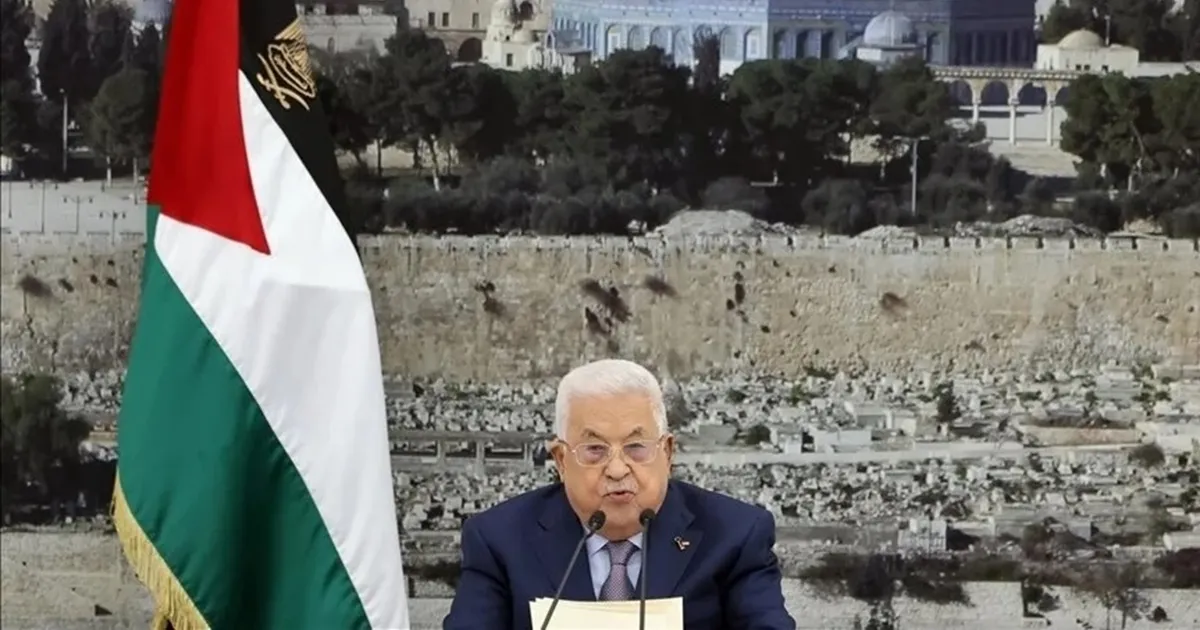
Erosion of Powers and Legitimacy: The Palestinian Authority Facing the New Civil Administration
Share your opinion
UNICEF: More than 100 children killed in Gaza since ceasefire