







In a striking escalation reflecting a sharp shift in American rhetoric towards Tehran, US President Donald Trump announced on Tuesday the cancellation of all communication channels with Iranian officials, following the violent crackdown by authorities on ongoing popular protests since late last month. He directed a direct message to Iranians, saying: "Keep protesting... help is on its way."
Trump did not provide any clarifications regarding the nature of this "help," contenting himself with charged messages via the "Truth Social" platform, in which he called on protesters to "take control of their institutions" and urged them to "remember the names of the killers and aggressors," in a tone that seemed closer to political incitement than traditional diplomacy. This stance came just days after previous statements by the American president in which he hinted at an Iranian desire to open negotiations with Washington, following his threat to launch military strikes on the Islamic Republic.
This sudden shift in the American position raised widespread questions about the White House's intentions and the limits of its potential intervention, especially since Trump had repeatedly threatened to use military force if Tehran was proven to be using "lethal force" against protesters. However, the President refrained from announcing a final decision, confirming that he was still consulting with his national security team to assess the extent of human casualties and arrests.
Trump said that the circulating figures for the number of dead were "large and shocking," noting that he had received "five different estimates" about the victims, without being able to verify an accurate number. However, human rights organizations, led by the Human Rights Activists News Agency, reported that more than 2,000 people had been killed since the protests erupted on December 28, 2025, most of them civilians, in addition to the arrest of more than 16,700 protesters across the country.
In response, Tehran reacted angrily to the American president's statements. The Iranian ambassador to the United Nations, Amir Saeid Iravani, sent an official letter to UN officials, describing Trump's speech as "interfering and reckless," containing direct incitement to instability and violence, and infringing on Iran's sovereignty, territorial integrity, and national security.
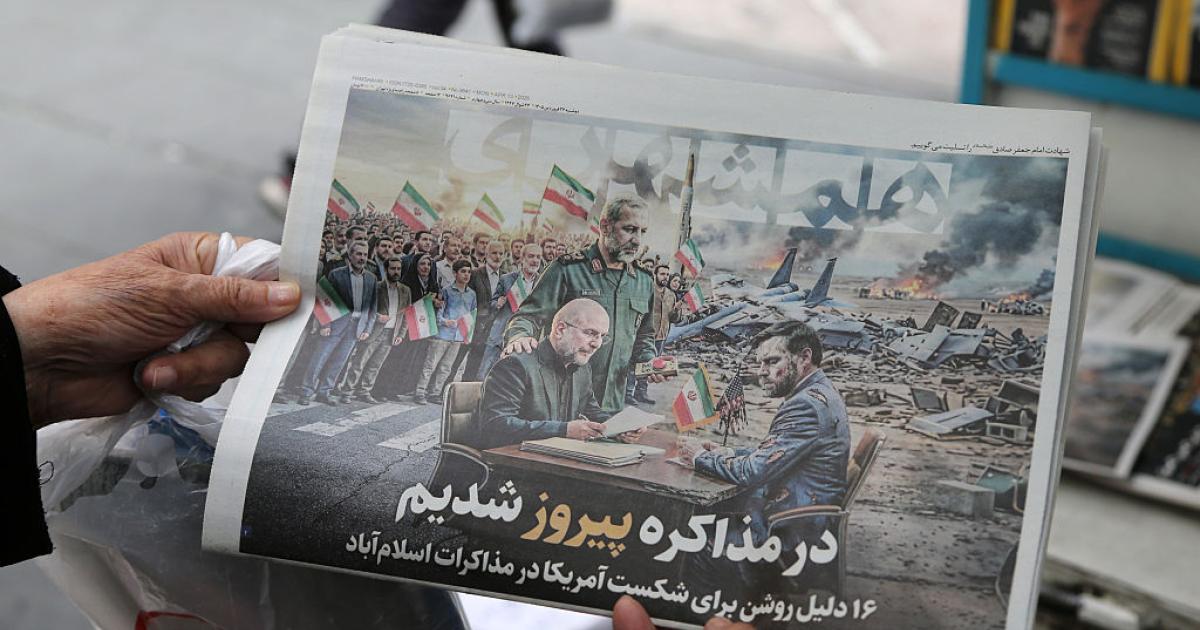
Iranian state media continues to broadcast recorded confessions of protesters, numbering at least 97 clips, in which protesters express their "regret" and speak of "external conspiracies" behind the protests, with repeated references to the United States and Israel. However, human rights organizations in the West confirm that these confessions were extracted under duress, a method that Iranian state television has become accustomed to, but at an unprecedented pace.
Despite the escalation in his tone, Trump evaded a direct answer when asked about the nature of the help he promised Iranians, merely saying: "You'll have to find out for yourselves." However, his administration has already begun to study multiple options, ranging from intensified diplomatic pressure and imposing new economic sanctions, to "very strong" military options, according to the president.
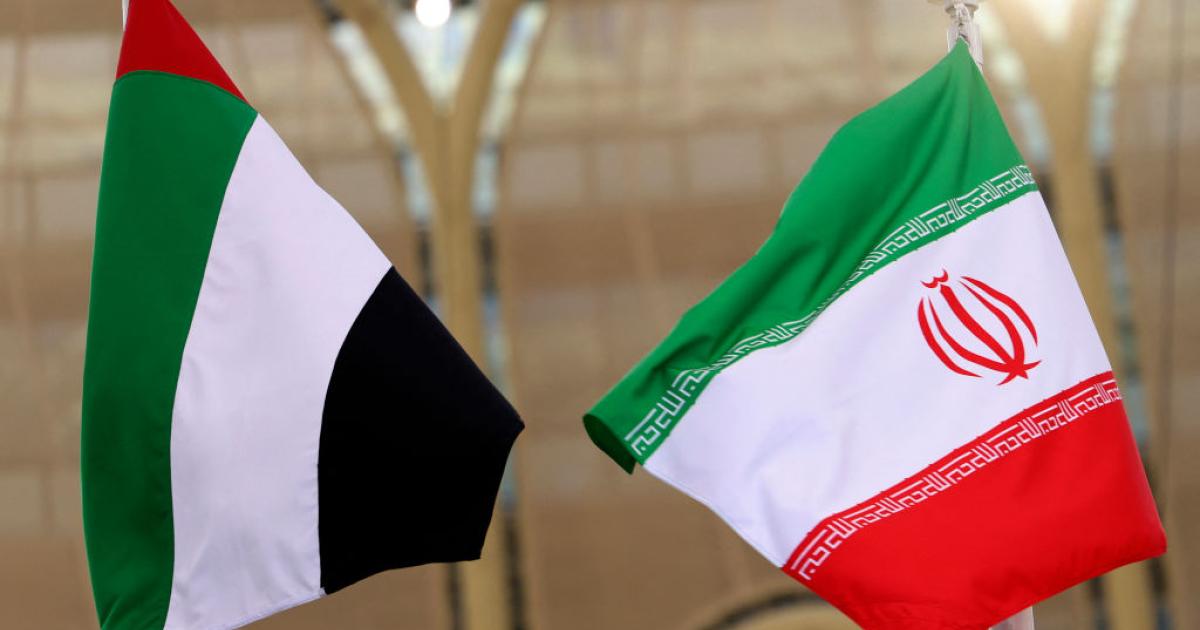
In this context, Trump announced his intention to impose 25% tariffs on countries that continue to trade with Tehran, a move that would expand the confrontation to include major economic powers such as China, Russia, Turkey, and the UAE. In response, Iran warned that any American military intervention would make American and Israeli forces "legitimate targets."
This crisis coincides with the Trump administration's preoccupation with a series of thorny international issues, from Gaza and Ukraine to Venezuela, raising questions about Washington's ability to engage in a new open confrontation. Nevertheless, Iranian activists and opposition figures such as the "People's Mojahedin" believe that the current moment represents a historic opportunity to weaken the ruling regime, amid protests that are the largest in years, sparked by the currency collapse and turning into a direct challenge to the authority of Supreme Leader Ali Khamenei.
Trump's speech to Iranians carries a complex mix of political messages; on the one hand, it raises popular expectations within Iran, and on the other hand, it deliberately leaves a wide area of ambiguity about the nature of American intervention. This ambiguity may be intentional to increase psychological pressure on the Iranian regime, but at the same time, it puts protesters at dangerous stakes, as any miscalculated escalation could push Tehran to more violence under the pretext of an "external conspiracy."
The ongoing protests reveal a deep crisis in Tehran, extending beyond the economic dimension to a crisis of political legitimacy. However, relying on external intervention to bring about change remains a double-edged sword, as it exposes protesters to accusations of being agents of Western countries by the Iranian people. While Washington seeks to leverage the moment to its advantage, the future of the movement remains dependent on its ability to continue as an independent internal force, not as a pawn in a broader international conflict.

Share your opinion
Trump to Iranians: Keep protesting... help is coming