






Washington – Said Arikat
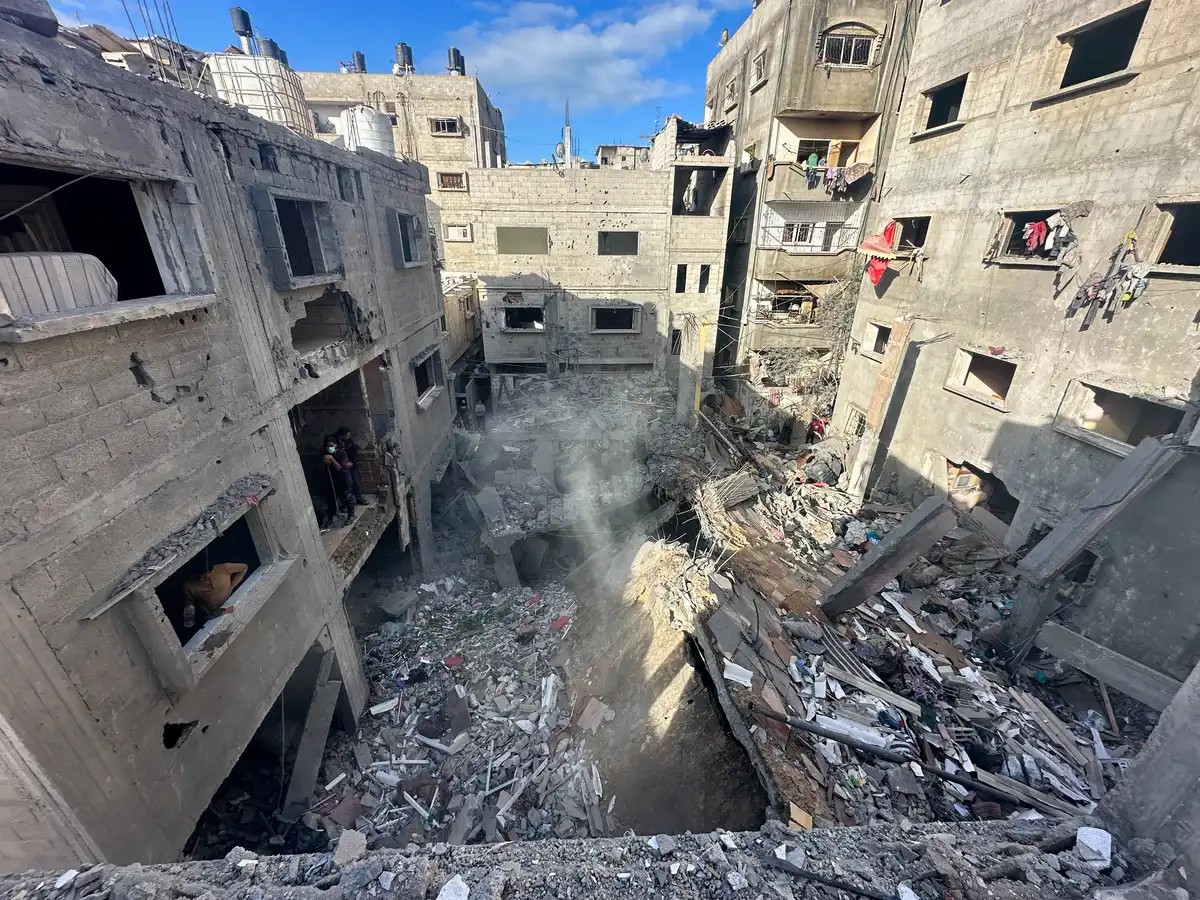
Consistent Western and Israeli media reports indicate that the Israeli occupation army is finalizing new military plans to resume a large-scale offensive on the Gaza Strip next March, despite the ongoing ceasefire agreement. According to documented field data, Israeli occupation forces have killed more than 400 Palestinians since the truce came into effect, reflecting the fragility of the agreement and the absence of any real commitment to its terms, especially from the Israeli side.
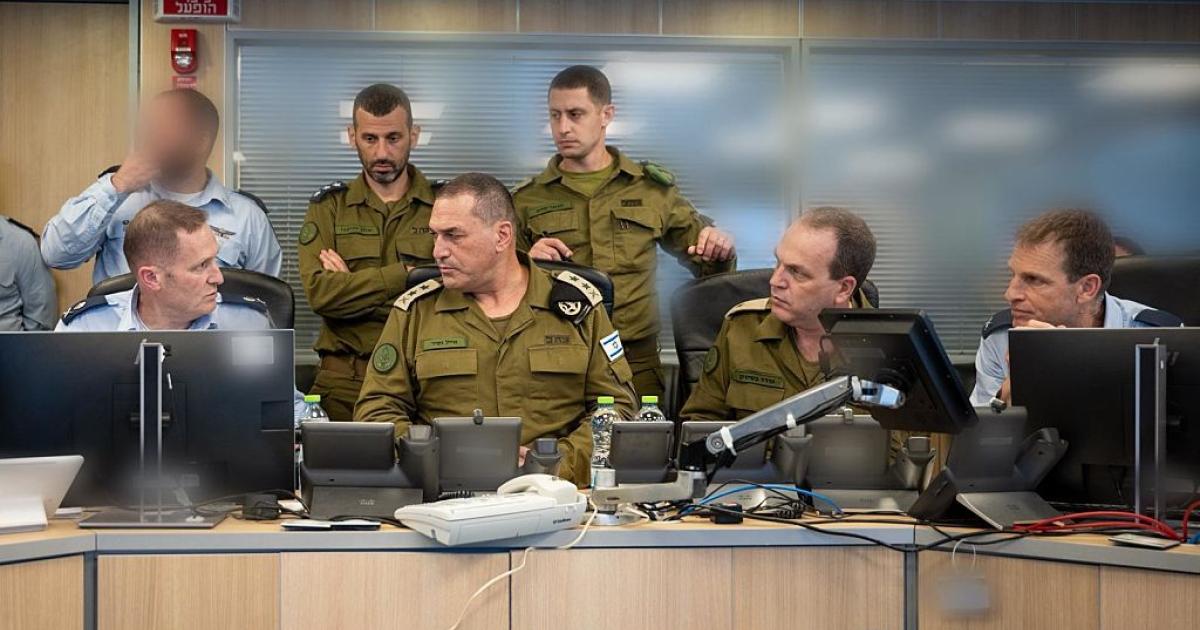
The Wall Street Journal quoted informed sources in Tel Aviv as saying that the Israeli army has redrafted ground battle plans that include wide-ranging incursions into the Strip, with a particular focus on Gaza City. These sources indicate that any new ground invasion will practically lead to the collapse of the ceasefire and the undermining of political understandings reached through direct American mediation, in the context of President Donald Trump's administration's efforts to achieve a temporary calm in the region.
Over the past three months, Israel has violated the truce more than a thousand times, according to Palestinian and international human rights estimates, including limited shelling operations, assassinations, and shooting at civilians, in addition to continuing to prevent the entry of humanitarian aid, fuel, and medical supplies into the Strip. Despite the decrease in the pace of killings compared to the period before the ceasefire, the number of deaths during the truce exceeded 425 Palestinians, most of them women and children, which reveals that the truce was closer to an Israeli military repositioning than to an actual cessation of hostilities.
This comes amid continued field escalation, where at least three Palestinians were killed in Israeli raids on Sunday, an additional indication that the Israeli army treats the truce as a temporary arrangement that can be canceled at any moment. On this point, the Times of Israel quoted an Israeli security official confirming that the new operations will begin in March and will start with an invasion of Gaza City as the "political and military center of gravity" for Hamas.
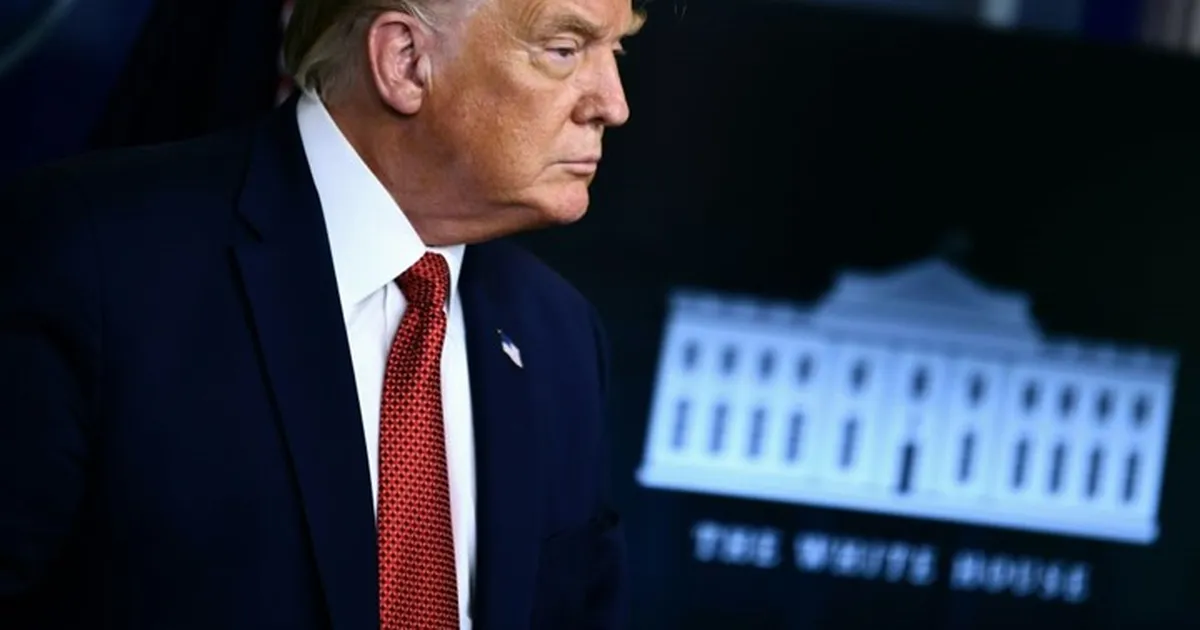
In contrast, an Arab diplomat told the same newspaper that US President Donald Trump has the political ability to pressure Prime Minister Benjamin Netanyahu to prevent a return to war, but he may choose not to use this influence, given the deep overlap between American and Israeli visions regarding the future of Gaza and Hamas.
Both Netanyahu and Trump demand that Hamas relinquish power in Gaza and completely disarm in exchange for the continuation of the ceasefire, which the movement rejects in its current form. However, Hamas has announced its readiness to hand over the administration of the Strip to an independent or consensus Palestinian government, and has shown conditional openness to the issue of weapons in a comprehensive context leading to the establishment of an independent Palestinian state, a proposal that Israel categorically rejects.
Despite the massive destruction inflicted on the Strip and civilian infrastructure, Tel Aviv realizes that any new invasion will not be a military picnic. According to official Israeli estimates, Hamas still possesses at least 20,000 fighters and about 60,000 individual weapons, in addition to a network of tunnels and accumulated combat experience, which means that the Israeli army may face fierce resistance and increasing human losses.
The Israeli plans to resume the war reflect a dismal political failure to translate military superiority into a sustainable strategic achievement. After months of bombing and destruction, Israel has not succeeded in eliminating Hamas or imposing an acceptable political alternative in Gaza. This failure pushes the Israeli security establishment to repeat the military option, despite its awareness that the results will be limited, and that the humanitarian and political costs will double, putting Israel in a renewed confrontation with international public opinion.
The American position, especially President Trump's position, seems to be governed by a dual equation: unconditional support for Israel on the one hand, and the desire to avoid a wide regional explosion on the other. However, refraining from exerting real pressure on Netanyahu practically means giving the green light for the continuation of the war. This American hesitation weakens any negotiation path and reinforces Israel's conviction that military solutions are still internationally acceptable, no matter the extent of the violations.
Experts believe that the core of the conflict in Gaza is not primarily security but political, and that Israel's disregard for Palestinian national demands, and its rejection of any real prospect for the establishment of a Palestinian state, makes every truce merely a temporary respite between rounds of war. Unless the root of the crisis, represented by the occupation and siege, is addressed, the resumption of fighting will remain inevitable, and Gaza will remain an open arena for repeated cycles of violence without a horizon for a solution.


Share your opinion
Israel Plans to Resume Wide-Scale Aggression on Gaza in March