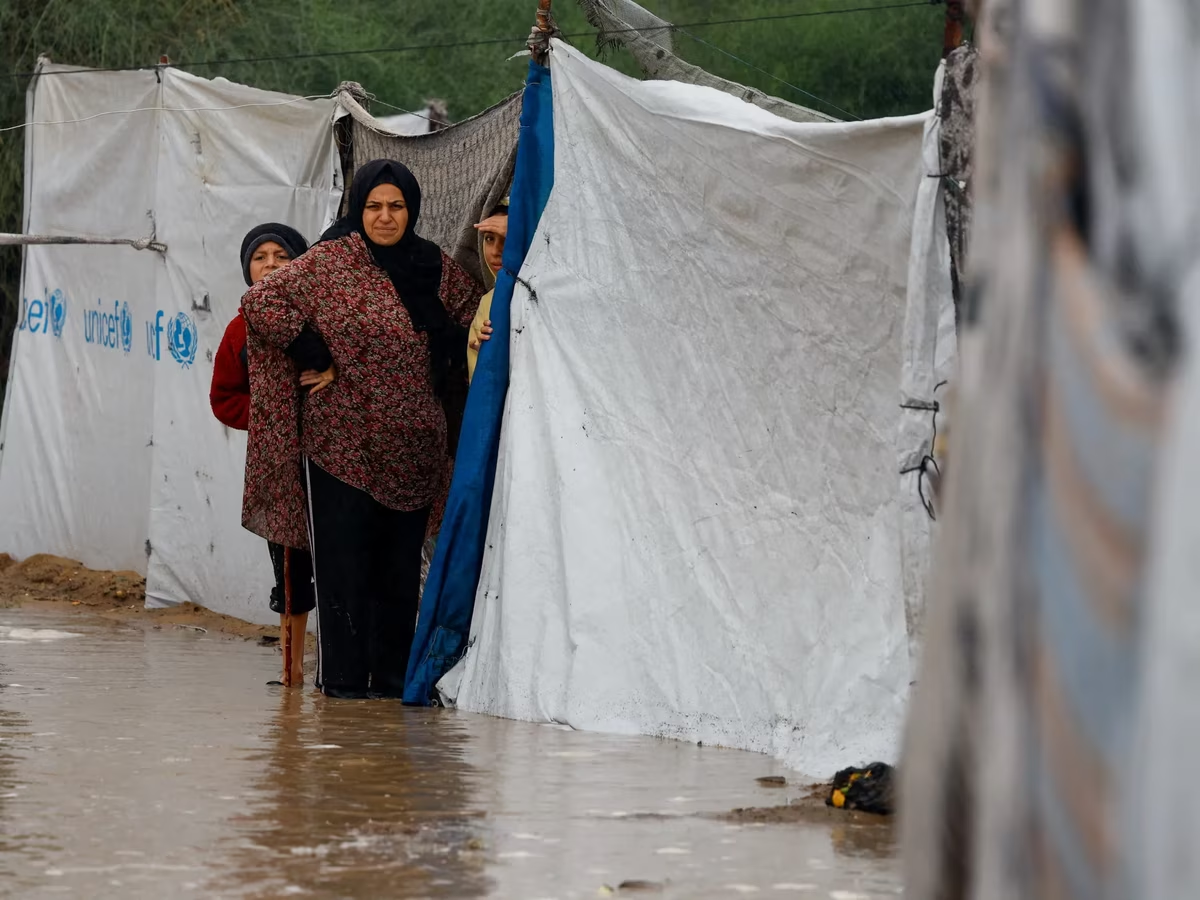







While residents of the Gaza Strip are struggling to survive amidst a suffocating siege and worsening famine, displaced people living in crowded tents face the danger of "Leptospirosis" disease, which is transmitted through the urine of rats and rodents that are densely spread in the camps.
The emergence of the disease comes amid difficult living conditions, including overcrowding in the camps, lack of clean water, and absence of basic health infrastructure, which increases the population's vulnerability to infectious diseases.
The director of medical relief in the Gaza Strip, Bassam Zaqout, warned of fears of the disease spreading among the displaced, after diagnosing 5 infection cases, 4 of which are still in intensive care units, according to what local Palestinian media reported.
He pointed out that the flood wave that hit the sector last month contributed to the bacteria transferring to running waters through the urine of infected rats, and the disease spread to children, women, and the elderly through wounds and skin cracks.
He explained that the most important symptoms of the disease include sudden severe fever with a sharp rise in temperature, bone fatigue, and inflammation in the sclera of the eye, and when the disease progresses, yellowing appears on the skin.
Zaqout confirmed that the disease does not spread from person to person, but it becomes dangerous in the environmental conditions in Gaza, especially with the spread of rats and the mixing of sewage water with rainwater and the occurrence of floods.
Several bloggers interacted with the "Leptospirosis" disease on social media platforms, expressing their fears of its worsening spread amid a fragile health reality and the absence of necessary medicines to combat it.
Bloggers pointed out that displaced people are greatly exposed to diseases during the winter season, amid dilapidated tents and the absence of basic infrastructure, confirming that the situation becomes more dangerous due to the occupation's prevention of importing necessary medical devices and equipment, which hinders the medical staff's ability to detect and diagnose diseases in time and increases the likelihood of infectious diseases spreading.
One activist wrote that "The health situation in the camps is catastrophic, children are in severe danger!".
Another activist added that "The diseases facing the displaced are the war after the war".
Others wondered sorrowfully, "We do not know which alarm bell to ring first.. Is it hunger, or disease, or polluted water?".
Activists called on international human rights and health organizations to intervene urgently to curb the spread of diseases and epidemics among the displaced.
They also warned that the continuation of these conditions exacerbates the spread of epidemics and infectious viruses, making the population more susceptible to dangerous diseases that could lead to additional deaths if urgent measures are not taken for prevention and medical care.
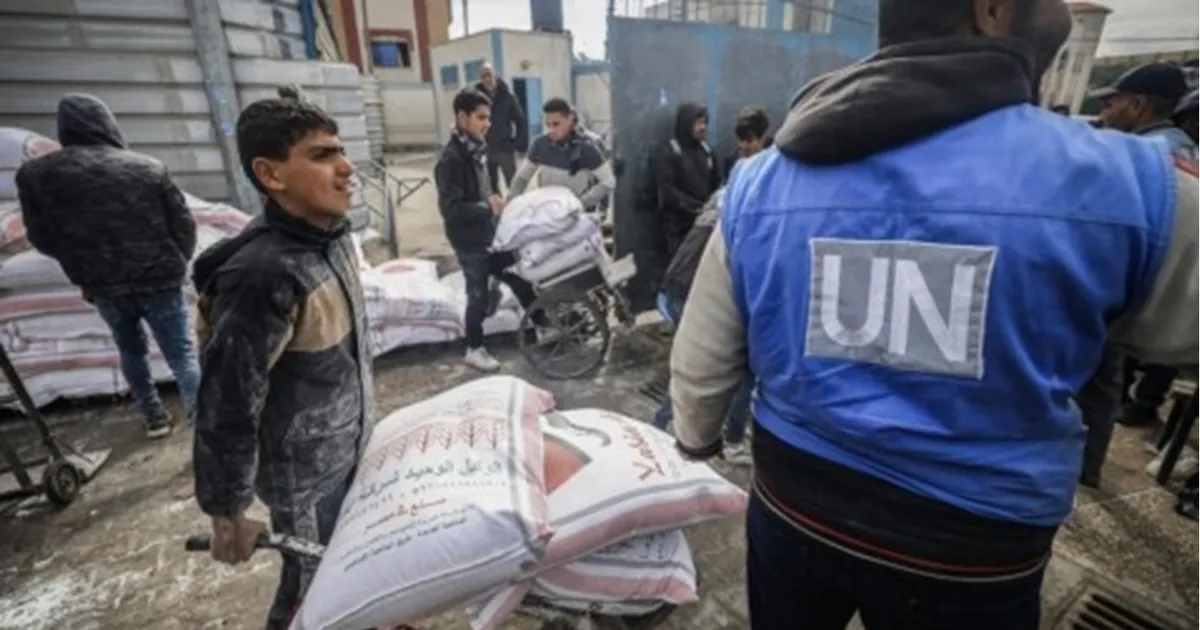
Despite the end of the genocide war with the entry of the ceasefire agreement into force on October 10, 2025, the living conditions have not seen significant improvement, due to Israel's evasion of fulfilling its obligations stipulated in the agreement, including importing the agreed quantities of food, relief, and medical materials, and mobile homes.
The health situation in the camps is catastrophic, children are in severe danger!



Share your opinion
A new disease threatens the lives of displaced people in Gaza.. What is it?