





Estimates of more than 20,000 unexploded bombs in Gaza
•Local and international technical teams are working to identify locations of unexploded remnants, while the occupation does not currently allow their removal
•Signing agreements with international organizations to pave the way for mine clearance and removal of unexploded war remnants in Gaza
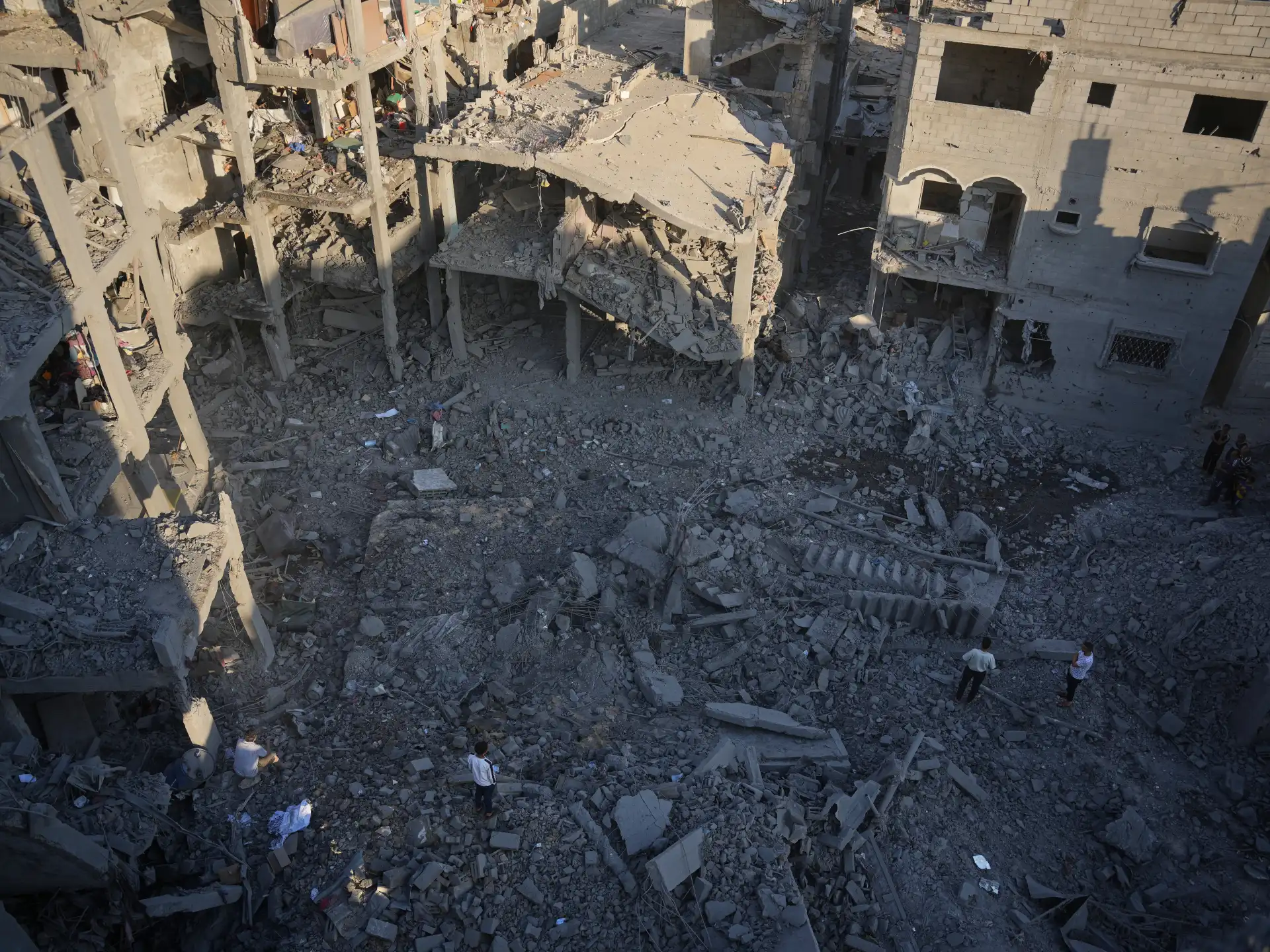
There is no doubt that the reconstruction phase in Gaza is complex, intricate, and distributed across multiple stages, but the starting point for the recovery and reconstruction process begins with the removal of unexploded war remnants, due to the danger they pose to citizens and the technical crews working to continuously restore basic services within their limited capabilities.
According to a report issued by the Government Contact Center, the Ministry of Interior, through the Palestinian Mine Action Center, is working to strengthen the State of Palestine's partnerships with various international institutions to create the largest international alliance for mine clearance and removal of unexploded ordnance in Gaza, as soon as technical teams can enter and operate in the sector.
In light of the Center's accumulated experience, it has previously implemented unexploded ordnance removal operations in the West Bank, including clearing and removing minefields in sixteen sites, including Ein al-Sakout – Northern Jordan Valley, and Qabatiya, in cooperation with several international organizations specialized in mine clearance, including HALO Trust, the world's largest non-governmental humanitarian organization working on removing landmines and explosive war remnants, in addition to handling (2092) hazardous objects in various West Bank locations, in partnership with the Explosive Ordnance Disposal Police. In addition, the Center has conducted extensive awareness campaigns about the risks of mines and prevention.
On the Gaza front, field surveys have begun and contaminated areas in Gaza have been mapped through several local and international technical teams, alongside continuing training of local crews in preparation for the start of unexploded remnant removal in the sector.
On the ground, there is significant Palestinian coordination between relevant entities such as the Palestinian Mine Action Center, the Ministry of Public Works and Housing, and the Government Operations Room with the United Nations Mine Action Service (UNMAS), as it is the umbrella for all institutions working in the field of unexploded ordnance removal, and there are ongoing follow-ups and periodic meetings to exchange information and update joint plans. The field teams in the sector are placing warning signs at unexploded ordnance sites, but the occupation does not yet allow their removal, in addition to preventing the entry of necessary equipment to launch the operation.
Internationally, the Permanent Palestinian Mission to the United Nations in Geneva has intensified its contacts and meetings with disarmament and arms control organizations and Swiss authorities, aiming to remove unexploded war remnants, where estimates indicate the presence of more than 20,000 unexploded bombs in the sector.
According to UNMAS estimates, presented at the Donors Conference on Mine Action in the Palestinian Territories held in Amman last May, the cost of removing unexploded ordnance in Gaza is estimated at about 130 million dollars.
In Geneva, which is a major international center for global organizations and institutions, the Permanent Observer of the State of Palestine to the United Nations in Geneva, Ambassador Ibrahim Khraishi, held a series of meetings with several international entities specialized in removing unexploded war remnants, including a meeting with the Disarmament Department of the International Committee of the Red Cross, and a meeting with the Director General of the International Civil Defense Forces, Arjog Kalantarli last October, where he handed him the Palestinian plan and discussed with him the required efforts in Gaza, while Ambassador Khraishi emphasized the need to align all efforts under the supervision of the Palestinian Government, and full coordination with the Palestinian Mine Action Center and the Palestinian Civil Defense.
In addition, other meetings with mine clearance specialists in Switzerland and international organizations such as the Geneva International Centre for Humanitarian Demining (GICHD) and the Swiss Foundation for Mine Action (FSD), and other scheduled meetings, all aimed at mobilizing more international effort for the unexploded ordnance removal operation in Gaza, and mobilizing more international pressure to allow the entry of equipment, and enable specialized international organizations to operate in the sector alongside enhancing cooperation and emphasizing the existence of a ready national plan at the Palestinian Center to implement it in Gaza, in Palestine, and agreements have been signed with five international organizations to work in the sector.
Preparations are also underway to hold an expanded meeting including the United Nations Mine Action Service, the International Committee of the Red Cross, the Implementation Support Unit for the Mine Ban Convention, the Geneva International Centre for Humanitarian Demining, the Swiss Foundation for Mine Action, the International Civil Defense Forces, and from the Palestinian side, the Ministry of Interior with its specialized agencies, headed by the Palestinian Mine Action Center and Civil Defense, with the participation of the Ministry of Foreign Affairs and Expatriates, for further coordination and preparation for field work in the sector, which contributes to accelerating work on the unexploded ordnance removal plan, paving the way for economic recovery and the reconstruction phase.

PALESTINE
Wed 31 Dec 2025 9:23 am - Jerusalem Time
Accelerated Palestinian Steps with International Organizations to Prepare for the Removal of Unexploded Remnants in Gaza

Tags
MORE FROM PALESTINE
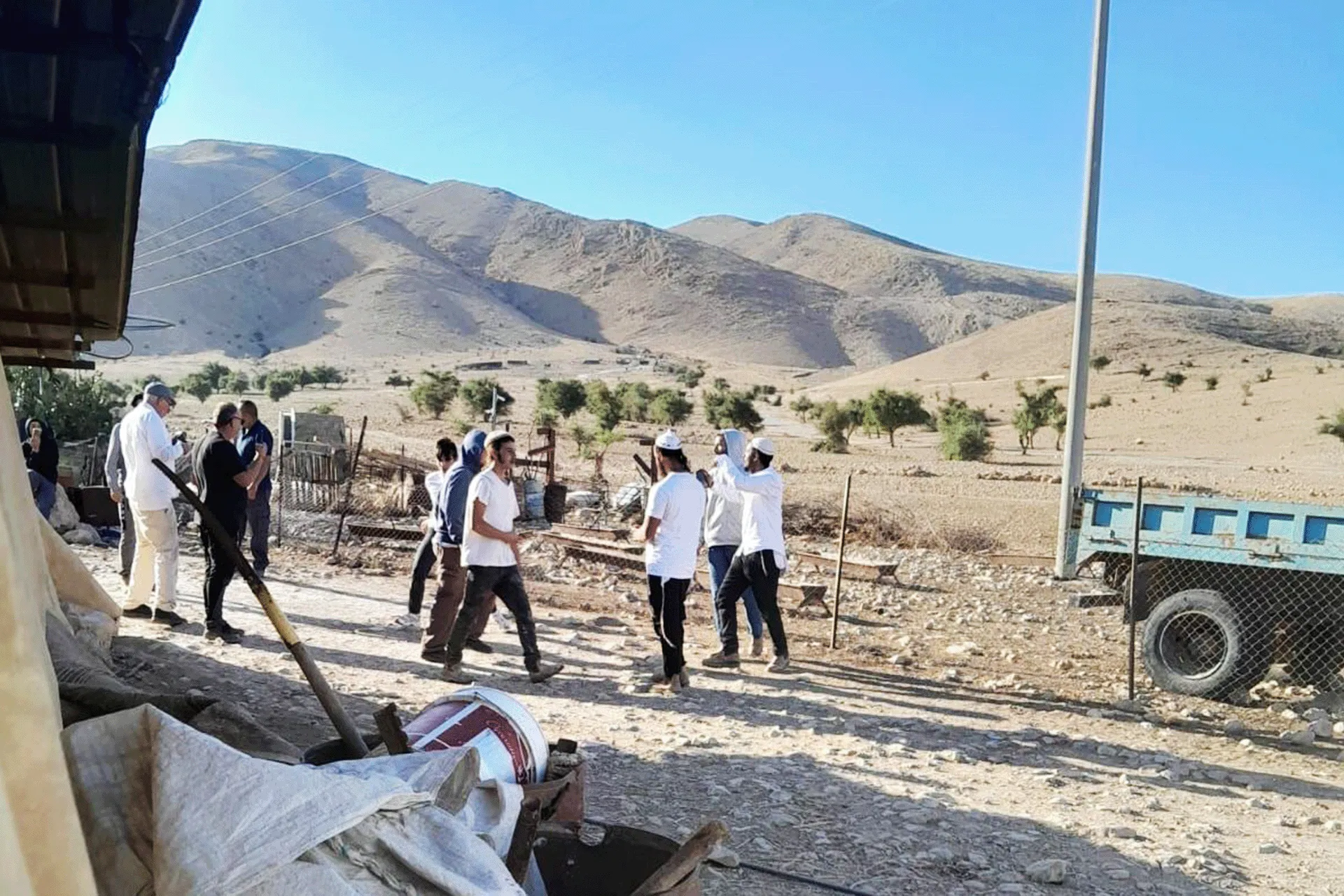
Settler escalation in Ramallah: Attempt to burn a mosque and widespread attacks on properties

Abbas issues extensive amendments to Palestinian election law, including raising legislative seats and lowering the age of candidacy

France reveals Israeli company's involvement in manipulation and digital interference in elections

Share your opinion
Accelerated Palestinian Steps with International Organizations to Prepare for the Removal of Unexploded Remnants in Gaza