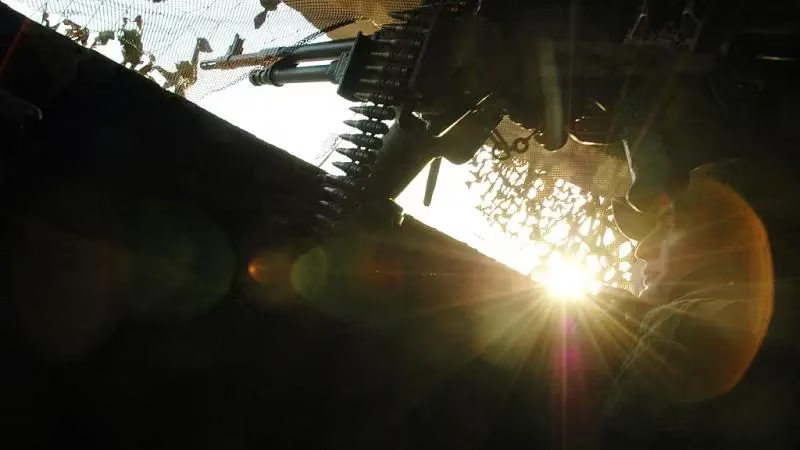







The diplomatic moves led by Washington to push towards the second phase of the ceasefire agreement in Gaza intersect with an accelerated military escalation by the Israeli army in the sector.
These days, eyes are directed in two directions: one on Gaza, where Israeli violations continue relentlessly, and another on Florida, which is expected to host a meeting between US President Donald Trump and Israeli Prime Minister Benjamin Netanyahu at the end of this week.
This delicate political moment comes amid the labor pains of moving to a second phase of the Gaza agreement, but the field in the sector has another face.
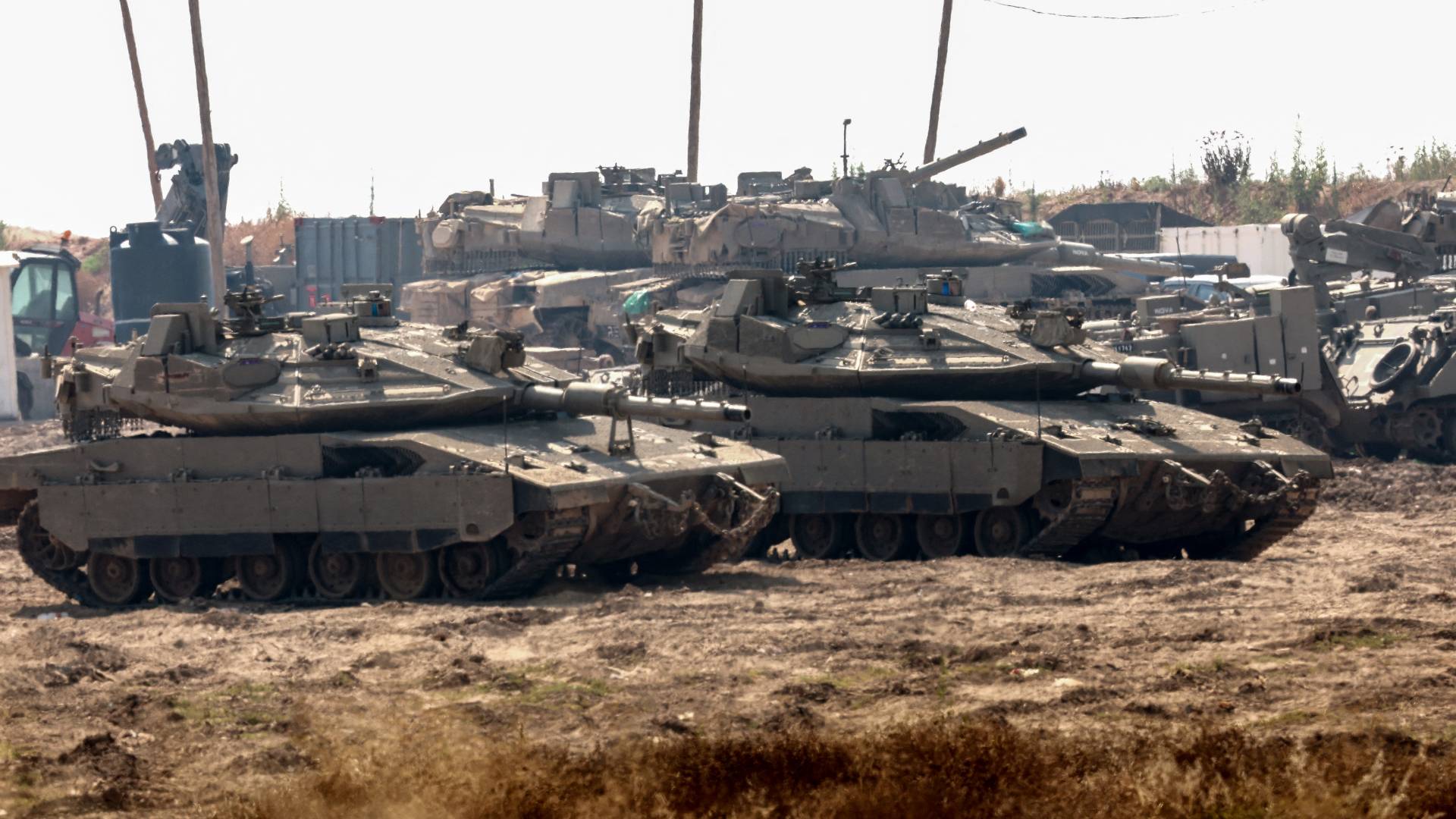
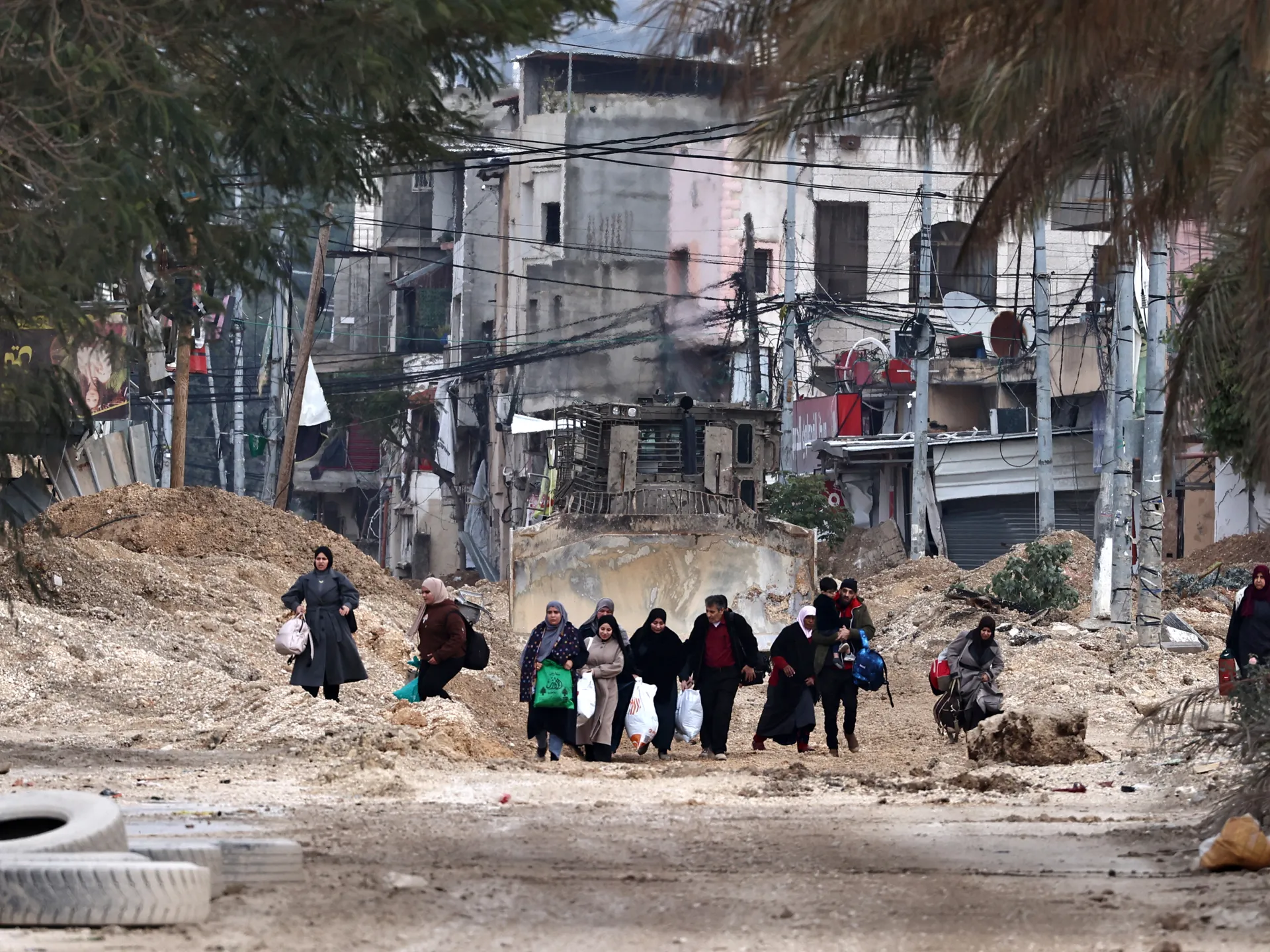
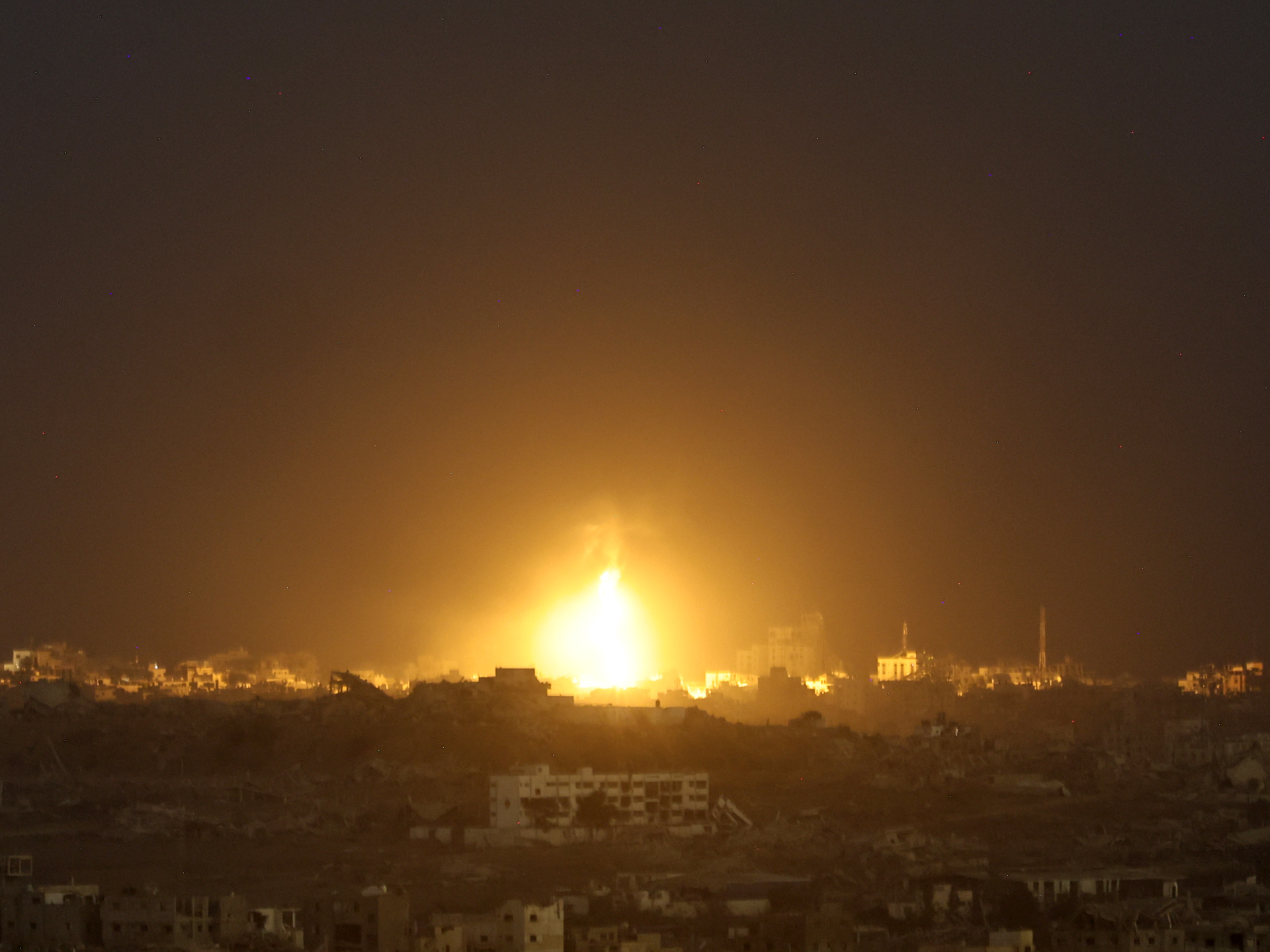
In the Tuffah neighborhood east of Gaza City, the Israeli occupation army has escalated its military operations in recent days through organized mining and demolition of residential blocks, and the evacuation of hundreds of families from their areas, in a clear violation of the terms of the declared ceasefire.
Diplomatically, in closed rooms, negotiations and calculations are being conducted that go beyond the borders of the besieged sector to place the fate of the entire ceasefire on the table of American-Israeli balances.
The Trump administration promotes the second phase as imminent through its envoys, but the absence of an official announcement of its details, and its coincidence with a notable field escalation, raise questions about its seriousness and limits.
As for Tel Aviv, as usual, it puts a stick in the wheels of the fragile negotiations, by showing a high degree of stubbornness regarding the transition to the next phase of the agreement.
Israel continues to link the negotiations to security conditions, including maintaining freedom of military action within Gaza, rejecting any complete withdrawal or real redeployment, in addition to disarming the Islamic Resistance Movement "Hamas", and returning the body of the last Israeli soldier.
In contrast, Hamas affirms its commitment to any agreement that ensures a comprehensive cessation of aggression, a clear withdrawal, and lifting of the siege. But it sees in the repeated Israeli breaches evidence of the absence of a serious partner.
As for Washington, it markets itself as capable of controlling the pace of the phase and containing the escalation, but at the same time, it does not exert any notable pressure on Tel Aviv to stop its daily breaches.
Until now, the wall of the crisis has not announced its collapse, but it is on the verge of falling at any moment, due to a military escalation that erodes what remains of the ceasefire, and a political path that appears optimistic on the surface. While its folds hide a minefield of extreme complexity.
The Trump administration promotes the second phase as imminent through its envoys, but the absence of an official announcement of its details, and its coincidence with a notable field escalation, raise questions about its seriousness and limits.

Share your opinion
Conflict between American Diplomacy and Israeli Escalation in Gaza