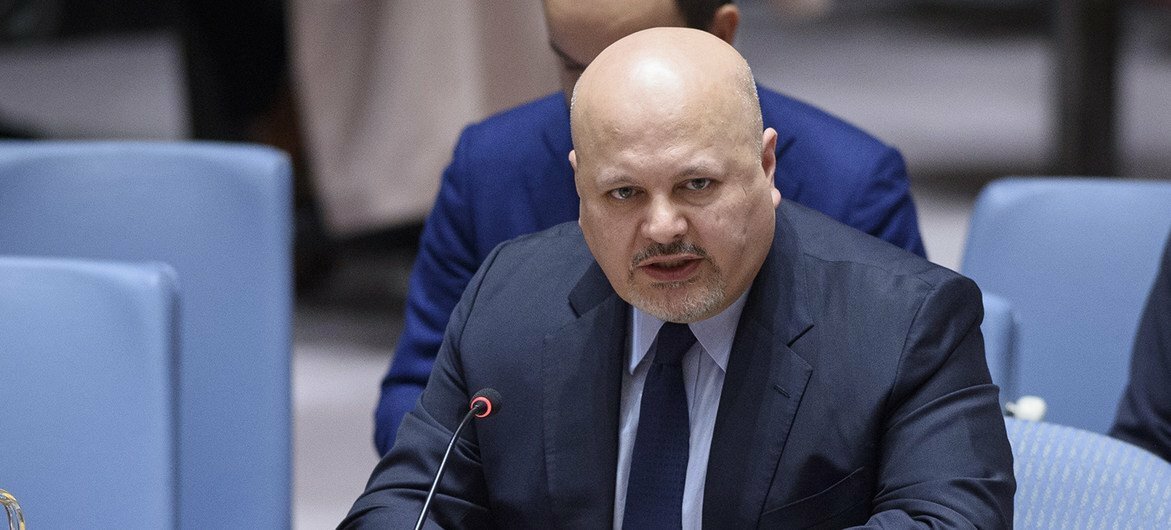







In an unprecedented development that threatens the structure of international criminal justice, judges and prosecutors at the International Criminal Court are facing a choking campaign of American sanctions, due to their role in investigating war crimes and crimes against humanity allegedly committed by Israeli officials during the devastating war on the Gaza Strip. These sanctions, imposed by the administration of US President Donald Trump, have not been limited to diplomatic restrictions, but have extended to the daily lives of court officials, in a precedent that reflects the extent of politicization that has come to affect international justice.
The Associated Press agency revealed that nine officials at the court in The Hague, including six judges and the prosecutor general, were subjected to cutting off basic banking services, canceling their credit cards, and depriving them of digital services provided by giant companies like Amazon, as a result of their inclusion on American sanctions lists. Pursuant to an executive order issued by Trump earlier this year, these individuals were banned from entering the United States, and were dealt with under a sanctions system usually used against leaders accused of serious crimes.
The White House justified this step as a response to what it described as "illegal and invalid actions" taken by the court against the United States and its "close ally" Israel. However, the timing of the sanctions came after the court issued arrest warrants against Israeli Prime Minister Benjamin Netanyahu and his former Defense Minister Yoav Gallant, on charges related to committing war crimes and crimes against humanity during military operations in Gaza.
Canadian Judge Kimberly Prost, one of the figures targeted by the sanctions, summarized the psychological and practical impact of these measures by saying: "Your whole world becomes restricted." She explained that she lost the ability to use credit cards, the e-books she bought disappeared, and even Amazon's "Alexa" assistant stopped responding. She added: "They are small annoyances, but they accumulate and create a constant feeling of uncertainty."
Prost was not targeted only because of the Israeli file, but also because of her previous vote in favor of allowing the investigation into possible war crimes committed by American soldiers and intelligence agents in Afghanistan. She said sadly: "I spent my life serving criminal justice, and now I am listed on the same list as those involved in terrorism and organized crime."
The sanctions did not stop at the judges themselves, but extended to their families. Peruvian Judge Luz del Carmen Ibáñez Carranza confirmed that the American travel restrictions extended to members of her family, preventing her daughters from participating in scientific conferences inside the United States. These sanctions impose on companies and individuals to refrain from providing any "financial, material, or technological support" to the targeted individuals, under penalty of huge fines or even imprisonment, which prompted banks and technology companies to withdraw their services immediately.
Deputy Prosecutor General Fatou Bensouda described the situation as a permanent state of suspicion: "When your card doesn't work in a store, you don't know if it's a technical glitch or a direct result of the sanctions." This climate of ambiguity reflects, according to observers, a deliberate attempt to intimidate the judges and push them to retreat.
Cross-cutting reports indicate that the sanctions are only part of a broader campaign to pressure the court, where the Middle East Eye website reported last July that Prosecutor General Karim Khan received an explicit threat to "destroy" the court if the arrest warrants against Netanyahu and Gallant were not withdrawn. It was mentioned that the threat came through a lawyer linked to circles close to the Israeli Prime Minister.
The site also reported that former British Foreign Secretary David Cameron secretly warned Khan that London might stop funding the court and withdraw from it if it proceeded with issuing arrest warrants. In the same context, US Republican Senator Lindsey Graham threatened to impose sanctions on Khan if he proceeded with arrest requests.
Last May, Khan's office announced that he had taken a temporary leave amid a UN investigation into allegations of sexual misconduct, allegations that his lawyers strongly deny, confirming that the resignation came only due to media pressure, not an admission of any violation.
The American sanctions on the International Criminal Court judges reveal a dangerous shift in the relationship of major powers with international law, where justice is acceptable only when it does not touch allies. Instead of legally challenging the court's jurisdiction, recourse was made to the weapon of economic and technological sanctions, which puts the independence of international justice before an existential test, and sends a message that accountability is still subject to balances of power, not principles of justice.
Experts believe that if these pressures succeed in deterring the court's judges today, they will open the door to systematic impunity tomorrow. The issue is no longer related to Israel alone, but to the fate of the entire international justice system. Retreating in the face of sanctions means establishing a precedent that allows any influential country to criminalize judges instead of the accused, and transforming international law from a tool for accountability into a hostage of politics
Washington – Saeed Arikat- 15/12/2025
In an unprecedented development that threatens the structure of international criminal justice, judges and prosecutors at the International Criminal Court are facing a choking campaign of American sanctions, due to their role in investigating war crimes and crimes against humanity allegedly committed by Israeli officials during the devastating war on the Gaza Strip. These sanctions, imposed by the administration of US President Donald Trump, have not been limited to diplomatic restrictions, but have extended to the daily lives of court officials, in a precedent that reflects the extent of politicization that has come to affect international justice.
The Associated Press agency revealed that nine officials at the court in The Hague, including six judges and the prosecutor general, were subjected to cutting off basic banking services, canceling their credit cards, and depriving them of digital services provided by giant companies like Amazon, as a result of their inclusion on American sanctions lists. Pursuant to an executive order issued by Trump earlier this year, these individuals were banned from entering the United States, and were dealt with under a sanctions system usually used against leaders accused of serious crimes.
The White House justified this step as a response to what it described as "illegal and invalid actions" taken by the court against the United States and its "close ally" Israel. However, the timing of the sanctions came after the court issued arrest warrants against Israeli Prime Minister Benjamin Netanyahu and his former Defense Minister Yoav Gallant, on charges related to committing war crimes and crimes against humanity during military operations in Gaza.
Canadian Judge Kimberly Prost, one of the figures targeted by the sanctions, summarized the psychological and practical impact of these measures by saying: "Your whole world becomes restricted." She explained that she lost the ability to use credit cards, the e-books she bought disappeared, and even Amazon's "Alexa" assistant stopped responding. She added: "They are small annoyances, but they accumulate and create a constant feeling of uncertainty."
Prost was not targeted only because of the Israeli file, but also because of her previous vote in favor of allowing the investigation into possible war crimes committed by American soldiers and intelligence agents in Afghanistan. She said sadly: "I spent my life serving criminal justice, and now I am listed on the same list as those involved in terrorism and organized crime."
The sanctions did not stop at the judges themselves, but extended to their families. Peruvian Judge Luz del Carmen Ibáñez Carranza confirmed that the American travel restrictions extended to members of her family, preventing her daughters from participating in scientific conferences inside the United States. These sanctions impose on companies and individuals to refrain from providing any "financial, material, or technological support" to the targeted individuals, under penalty of huge fines or even imprisonment, which prompted banks and technology companies to withdraw their services immediately.
Deputy Prosecutor General Fatou Bensouda described the situation as a permanent state of suspicion: "When your card doesn't work in a store, you don't know if it's a technical glitch or a direct result of the sanctions." This climate of ambiguity reflects, according to observers, a deliberate attempt to intimidate the judges and push them to retreat.
Cross-cutting reports indicate that the sanctions are only part of a broader campaign to pressure the court, where the Middle East Eye website reported last July that Prosecutor General Karim Khan received an explicit threat to "destroy" the court if the arrest warrants against Netanyahu and Gallant were not withdrawn. It was mentioned that the threat came through a lawyer linked to circles close to the Israeli Prime Minister.
The site also reported that former British Foreign Secretary David Cameron secretly warned Khan that London might stop funding the court and withdraw from it if it proceeded with issuing arrest warrants. In the same context, US Republican Senator Lindsey Graham threatened to impose sanctions on Khan if he proceeded with arrest requests.
Last May, Khan's office announced that he had taken a temporary leave amid a UN investigation into allegations of sexual misconduct, allegations that his lawyers strongly deny, confirming that the resignation came only due to media pressure, not an admission of any violation.
The American sanctions on the International Criminal Court judges reveal a dangerous shift in the relationship of major powers with international law, where justice is acceptable only when it does not touch allies. Instead of legally challenging the court's jurisdiction, recourse was made to the weapon of economic and technological sanctions, which puts the independence of international justice before an existential test, and sends a message that accountability is still subject to balances of power, not principles of justice.
Experts believe that if these pressures succeed in deterring the court's judges today, they will open the door to systematic impunity tomorrow. The issue is no longer related to Israel alone, but to the fate of the entire international justice system. Retreating in the face of sanctions means establishing a precedent that allows any influential country to criminalize judges instead of the accused, and transforming international law from a tool for accountability into a hostage of politics


Share your opinion
Washington Punishes 'International Criminal Court' Judges Due to Their Investigations into Israeli War Crimes