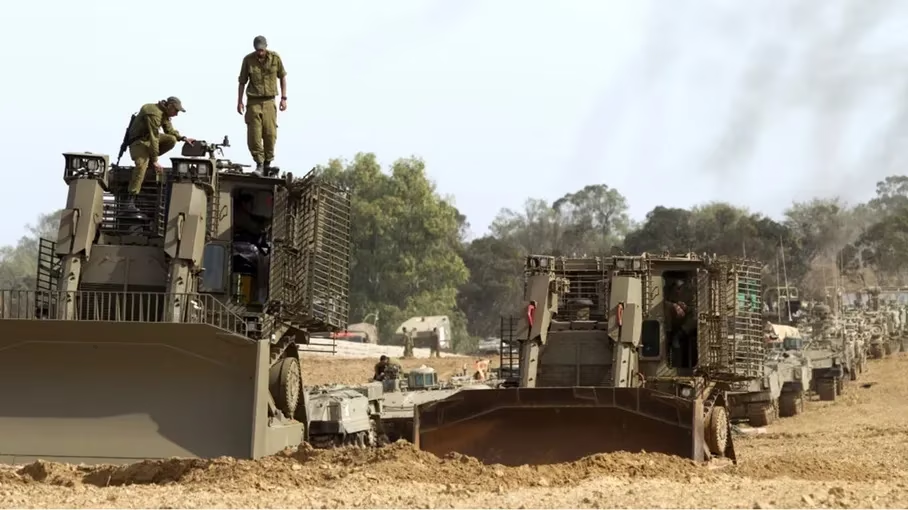







The greatest geopolitical challenge facing the occupying state currently lies in restoring the army's budget to a framework that allows for economic growth, and anything else is a risky gamble on its future, raising a serious question about what the new military spending represents: a strategy or a trap.
Eli Rami Rokach Domba, the military correspondent for Israel Defense magazine, mentioned that "warnings from the Governor of the Israeli Central Bank, Professor Amir Yaron, constituted a strategic alarm regarding the essence of Israel's national security, which has boasted for decades of its financial resilience that is supposed to be a lever for operational resilience. But now, the equation has changed, because military spending, which has inflated to unprecedented levels after the long war in Gaza and Lebanon, is no longer just a response to an external threat, but has become a destructive internal force."
Domba added in the article that "the army, which was considered sacred in the eyes of the public and politicians, has become in effect an uncontrollable variable in the financial system, and a critical view from a geopolitical perspective reveals a disturbing process: the current expansion in the budget does not necessarily reflect a complex and innovative assessment of threats, but rather a surrender to an outdated concept of power through money, with a glaring disregard for the economic foundation that is a prerequisite for the existence of this power."
The military correspondent explained that "what is happening recently reveals a strategic failure in funding the army, in light of the dangerous disparity between the security threat and the economic cost, with a focus on the informal taxes imposed on the reserve army, and the excessive and continuous use of the reserves is a structural failure whose cost far exceeds the monthly compensation, because from a strategic perspective, this unusual movement of individuals indicates poor planning of regular forces and the absence of an advanced warfare strategy."
Domba affirmed that "the economic crisis is paying the price for the budget shortfall in terms of declining productivity and severe damage to commercial activity, and this is an expensive, fragile, and ineffective way to fund the army, which places the burden of defense on the internal economic front, because the greatest danger lies in the multi-year path of the army's budget, and the ongoing discussions about maintaining a high level of spending for coming years, even after the fighting subsides, mean in reality a breach of the financial framework."
He pointed out that "when the central bank governor warns that the debt-to-GDP ratio is expected to rise continuously and approach 80% of GDP in the coming decade, he is in fact describing how Israel, driven by its desire to maintain its immediate defensive capabilities, is pushing itself into a financial corner that countries only enter after a sharp geo-political rupture, and this is not just a matter of 'money', but a matter of 'authority'."
Domba clarified that "despite marketing this measure as an enhancement of internal security, it in fact converts huge budgets into security mechanisms instead of strengthening the social components that systematically reduce crime: education, employment, and local governance, which clearly shows a preference for 'short-term internal security' at the expense of building 'long-term' internal capacity, but the bitter truth is that there is no security without a stable and growing economy, and any other talk is an expensive illusion that cannot be funded in the long term."
Domba added that "the problem is not in the army or the security need, but in the absence of planning, because we are facing a security budget without an economic strategy. True, the external threat is real, but the internal one exists as well, and the disproportionate expansion of the military budget with Israel's economic capacity may destroy the industry it relies on, and here it must stop and ask: how many weapons systems, how many reserve days, and how many budgets can be funded before the market stops seeing it as a flexible and healthy economy, and before investors' confidence fades, which is a strategic asset."
This critical vision of the future of Israel's military budget indicates that it represents the greatest geopolitical challenge facing it currently, because what is paid for military spending actually abandons long-term investments in education, infrastructure, and productivity, meaning that current security policies today bring disaster to Israeli security tomorrow, because priority is given to the military budget at the expense of social strategy, which is another indicator of the misconception of security.
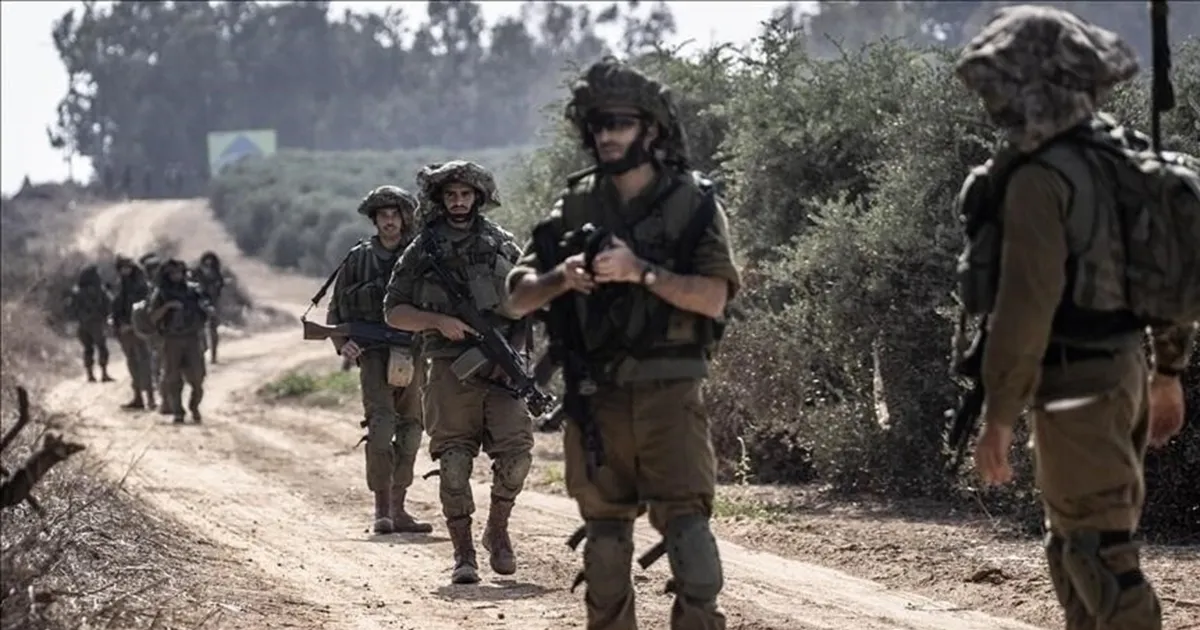
Military spending, which has inflated to unprecedented levels after the long war in Gaza and Lebanon, is no longer just a response to an external threat, but has become a destructive internal force.

Share your opinion
Israeli Army Budget: Strategy or Trap?