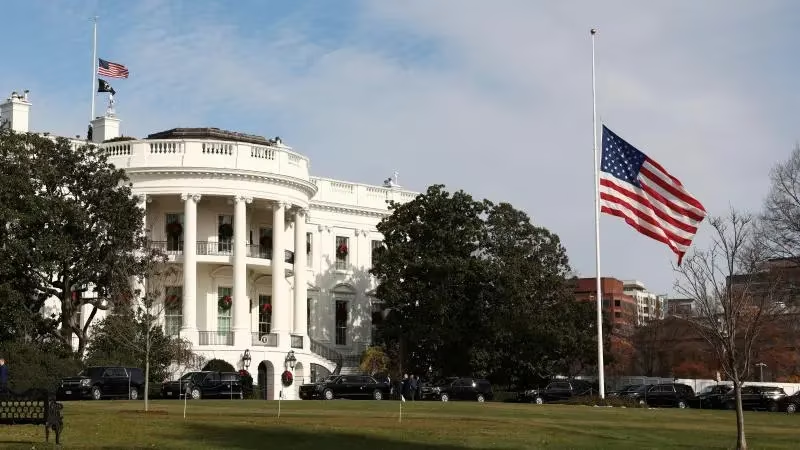







The national security strategy of the United States is undergoing remarkable transformations, raising questions about the motives behind these changes. This analysis aims to explore the reasons that drive Washington to reformulate its vision of national security.
Among the main factors affecting the American security strategy are the changes in the global balance of power. The rise of new powers such as China and Russia forces the United States to re-evaluate its alliances and interests.
Also, internal challenges, such as political and economic divisions, play a role in determining national security priorities. Washington seeks to strike a balance between protecting foreign interests and addressing domestic issues.
In addition, rapid technological developments contribute to changing the nature of security threats. Cyber warfare and cyber terrorism pose new challenges that require innovative strategies.
In this context, the United States seeks to develop strong international partnerships to face common security challenges. Cooperation with allies is a fundamental element of the new American security strategy.
The shift in US security strategy reflects a re-evaluation of global risks and challenges.





Share your opinion
Transformations in US Security Strategy: A Different Look at Washington's Motives