







Washington – "Al-Quds" Dot Com - Saeed Erekat
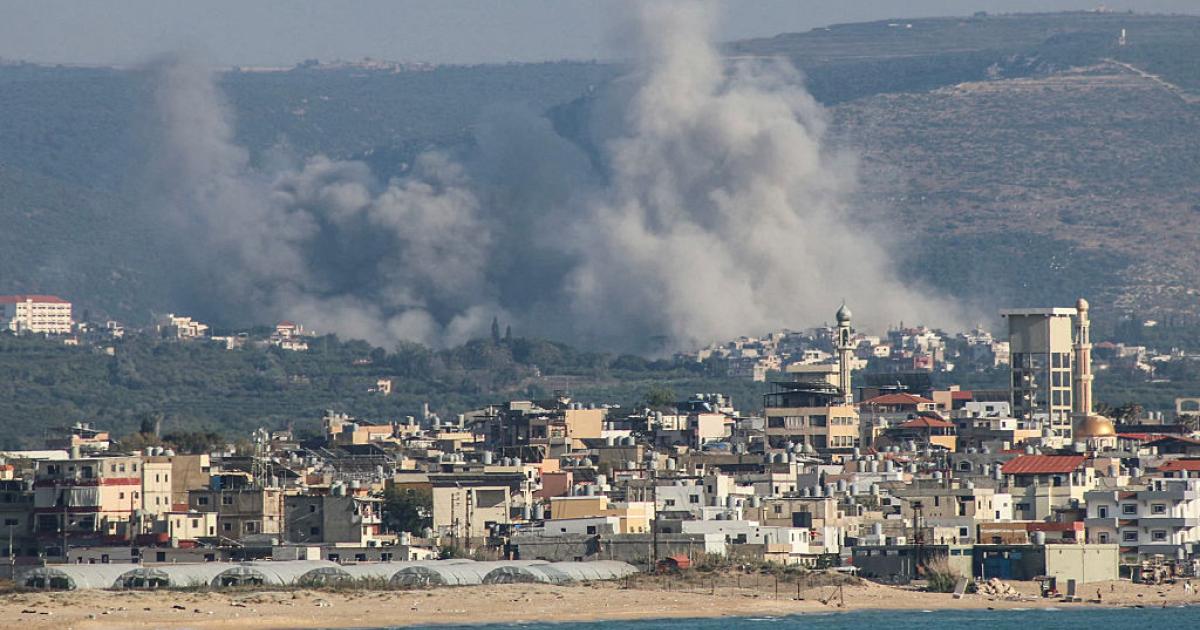
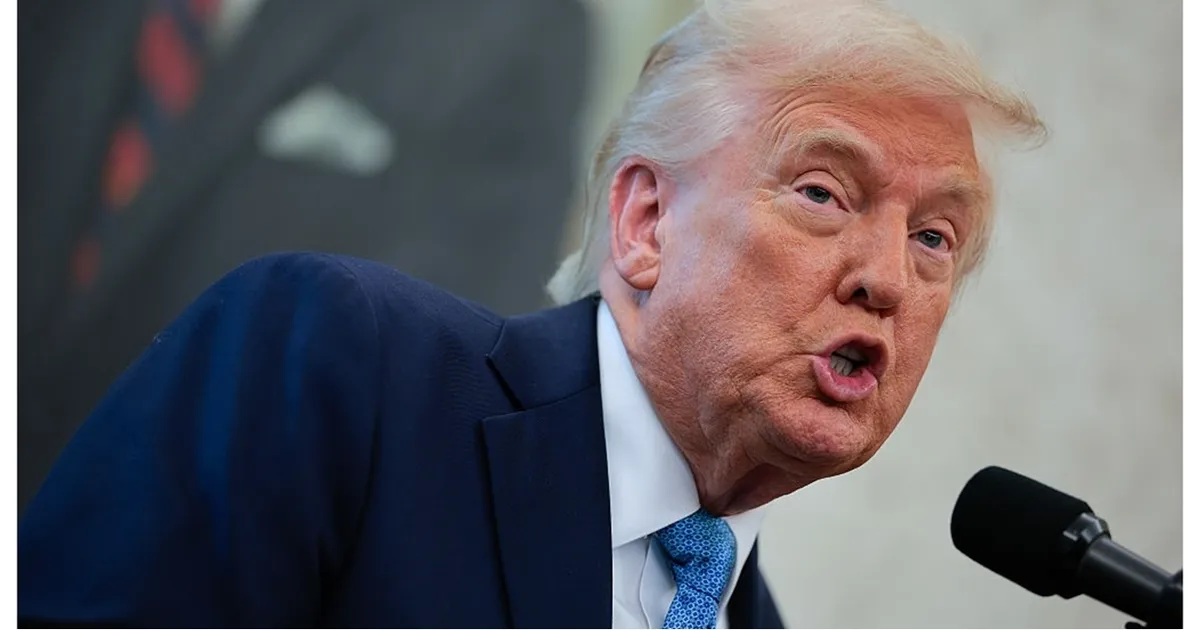
The administration of US President Donald Trump is preparing to announce the transition to the "second phase" of its plan for Gaza in the coming days, in an attempt to show political progress after months of stalemate. However, this American rush does not reflect political realism as much as it reveals Washington's desire to impose a unilateral vision on a sector exhausted by war and siege, while the administration ignores that the two most influential parties on the ground—the Israeli occupation and the Palestinian factions—are still far from accepting any of the elements of this plan.
The administration is promoting a new roadmap that it claims aims to "stabilize Gaza" by creating alternative governance and security mechanisms to Hamas, but it is essentially an attempt to impose a model that serves Israeli security interests first, and provides Washington with a long-term political and security foothold in the sector. The proposed technocratic government is not the product of an internal Palestinian process, but rather an administrative body designed externally, operating under international supervision, and excludes active political forces, making the project closer to a "political engineering" process managed from abroad.
The plan reveals the extent of the disconnect between the American vision and the reality on the ground regarding the disarmament of the Hamas movement. The United States knows that disarming Hamas without a comprehensive political settlement is not on the table, yet it insists on making it a prerequisite for the new government. In contrast, Israel raises the ceiling of its demands to the maximum, demanding complete and immediate disarmament before any withdrawal from the sector, in a position that reflects its desire to keep Gaza under field control for as long as possible. Thus, Washington finds itself practically adopting Israeli conditions, and then trying to wrap them in an international cover.
Washington plans to deploy an "international stabilization force" in early 2026, in a move that reflects a false belief that imposing an external force on the sector may produce lasting stability. But the proposed force—pre-designed to please Israel and reject Turkish participation in it—will enter a complex environment, and face widespread Palestinian rejection as an extension of foreign hegemony and not a solution to the conflict. Even countries that have expressed willingness to participate, such as Indonesia and Azerbaijan, realize that deployment without a comprehensive Palestinian consensus will make them a party to an explosive equation and not a neutral force.
Within the framework of managing the sector, Washington proposes a Palestinian technocratic committee of 12 to 15 members, operating under the supervision of an "international administrative council" headed by Tony Blair, which in turn follows a "peace council" that will be led by Trump himself. This arrangement reflects a clear American desire to move the center of decision-making outside Gaza, and to entrench a superior international authority that excludes the local community from managing its affairs. Despite Washington's promotion of this as a "transitional phase," previous international experiences—from Kosovo to East Timor—reveal that such administrations often turn into bureaucratic structures separate from society, and prolong the crisis instead of resolving it.
The United States is trying to push the reconstruction file in the areas currently controlled by Israel as part of a strategy of "creating a new reality," but this step faces widespread Arab and international rejection for fear of entrenching the division of the sector into two regions: one being rebuilt under international security guardianship, and the other left hostage to the conflict. As for Israel, it originally refuses any reconstruction before complete disarmament, threatening to resume the war if Hamas does not meet the Israeli conditions—a political blackmail that undermines the basics of any real reconstruction process.
Instead of pushing a comprehensive Palestinian political track, the United States seeks to reshape the future of Gaza through external tools that are not based on local legitimacy. The American approach ignores the roots of the crisis—the occupation and the siege—and replaces them with an international guardianship model that may prolong the crisis instead of addressing it.
Israel's insistence on complete disarmament before any political step turns the plan into a mechanism to serve the occupation's goals, and allows Tel Aviv to retain the right of veto over the components of the international force and the details of the transition. In this sense, the American plan turns into a political cover for Israel's demands, and not an independent project to rebuild Gaza.
Also, the absence of effective participation of Palestinian forces—including factions and civil institutions—makes the plan imposed from above, without a popular base. Any technocratic government imposed without a Palestinian-Palestinian consensus will fail quickly, and may lead to a new confrontation, making the "second phase" a project fraught with failure mechanisms before it begins



Share your opinion
Trump prepares to announce the start of the second phase in Gaza in an American plan to impose a new reality