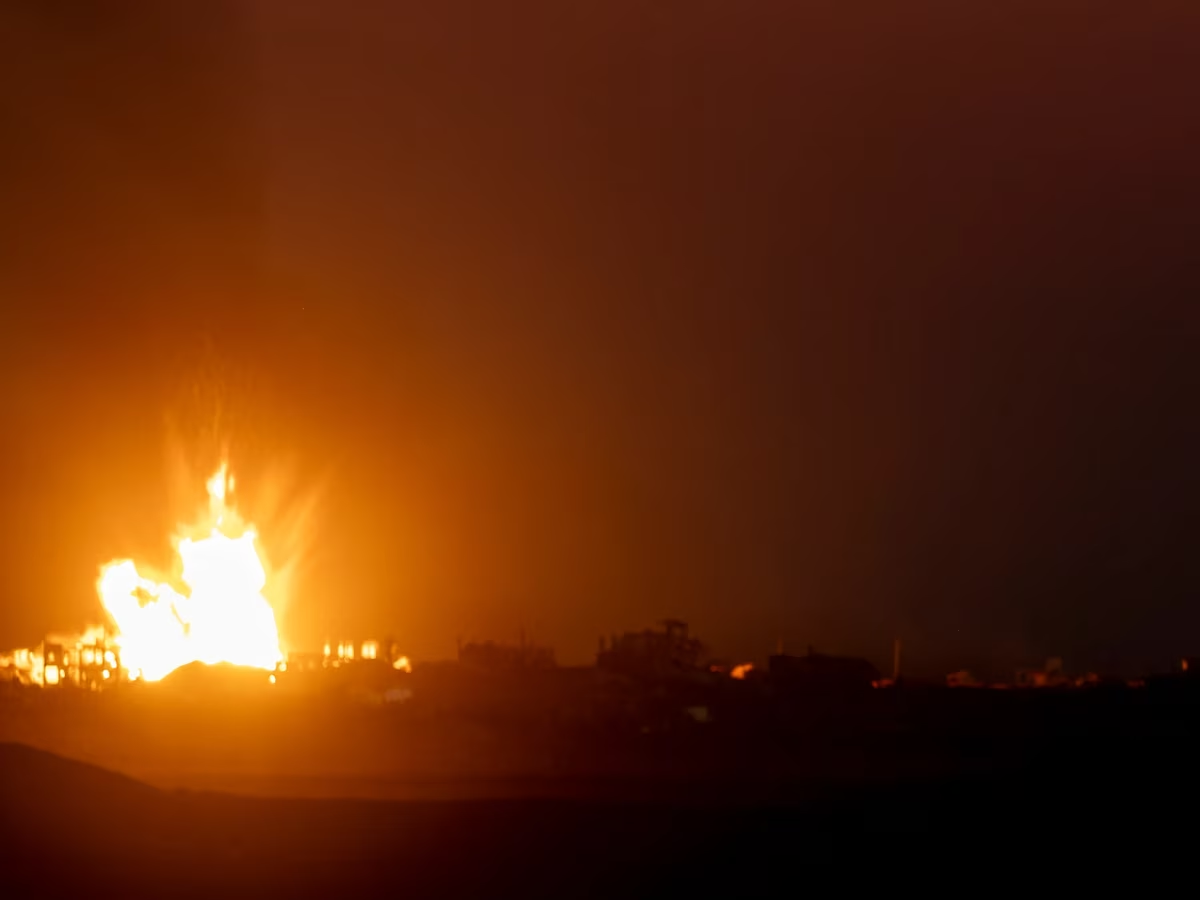







Field developments in the Gaza Strip indicate that Israel is reproducing a familiar operational pattern under security pretexts, in an attempt - as analysts see it - to redefine the ceasefire agreement in line with its military and political objectives.
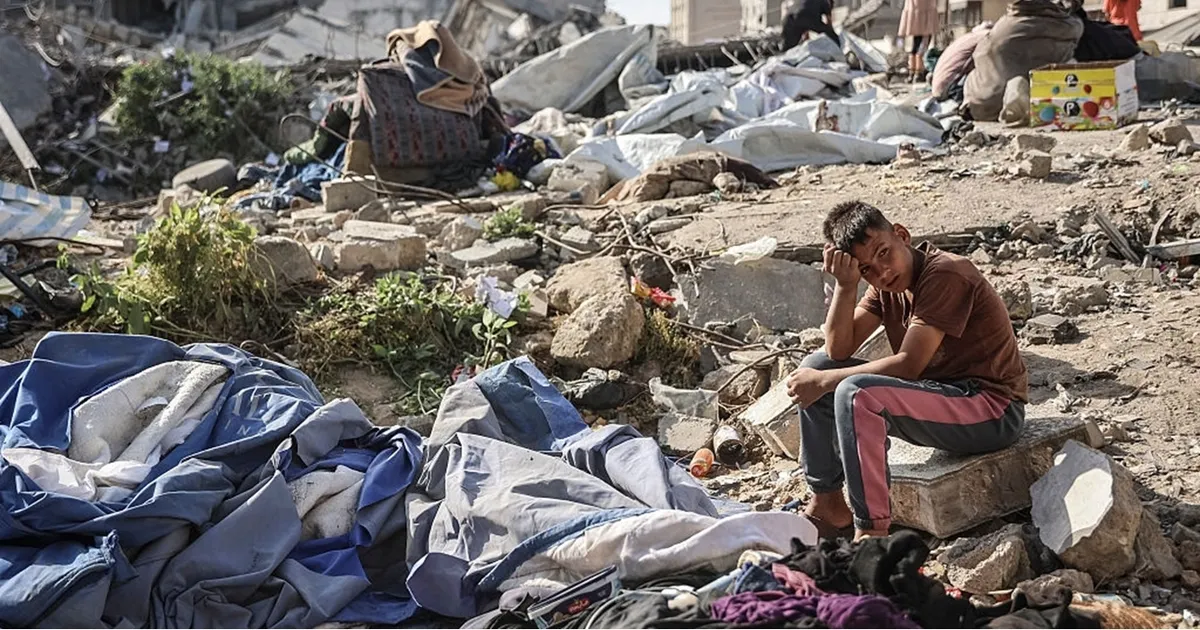
In this context, writer and political analyst Ahmed al-Tanani confirms that Israeli behavior has become understandable, as the "target bank" is focused on displaced families in tents, in light of the occupation's refusal to allow them to return to their homes.
According to al-Tanani, Tel Aviv is trying to turn the ceasefire agreement into a "surrender agreement" that allows it to continue the aggression without a field price or international cost.
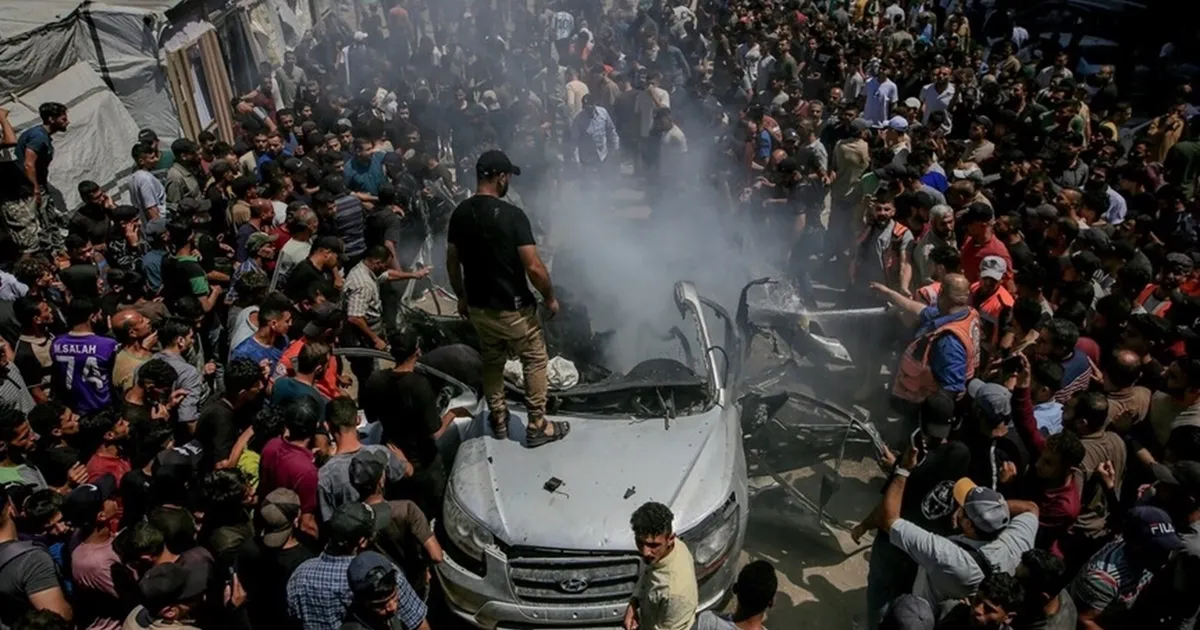
On the ground, the Kuwait Specialized Hospital (south of the Gaza Strip) reported the death of 5 people, including two children, in a bombing by Israeli drones on Wednesday evening on tents of displaced people in the Mawasi Khan Yunis.
The Israeli Broadcasting Corporation stated that the raids on Khan Yunis come in the wake of the Rafah incident, in which 4 soldiers from the Golani Brigade and the Gaza Division were injured, one of them seriously, in clashes with resistance fighters in Rafah, south of the Gaza Strip.
As for the objectives of this escalation, Israeli Prime Minister Benjamin Netanyahu is employing Palestinian blood in his election propaganda - according to al-Tanani - and seeks to move to the second phase only "if he guarantees the disarmament of the resistance and the dismantling of its national structure."
But the Palestinian resistance and the mediators are aware of this strategy, and are pressing the US administration to ensure a halt to daily violations and adherence to the agreed-upon path, so as to turn the agreement into a real ceasefire and not a cover for a new aggression.
For his part, Professor of Political Science at Al-Najah Palestinian University, Raed Nsairat, links the escalation to Netanyahu's personal calculations, noting that the latter's call with US President Donald Trump carried a "clear trade-off": Netanyahu wants American pressure to extract a pardon from the Israeli president, while Trump insists on establishing a ceasefire.
Nsairat believes that Netanyahu's bets on a "surrender image" of Rafah fighters turned against him, as reflected in Israeli articles and analyses that accused him of taking Israel's security hostage to his internal conflicts.
Regarding the American approach, Nsairat says that Washington wants a lasting agreement, but it lacks sufficient will to pressure Netanyahu to curb his threats, despite the apparent coordination regarding what Tel Aviv described as the "Rafah incident."
He warns against mortgaging the future of the agreement and the blood of the Palestinians to the internal Israeli crises, from Netanyahu's trial to the battle to recruit ultra-Orthodox Jews (Haredim).
As for al-Tanani, he confirms the resistance's "full" commitment to the terms of the agreement, from handing over the living prisoners to completing the complex file of the dead bodies, despite the obstruction of the occupation.
He points out that the resistance is working on two parallel tracks: restraint so as not to give Israel an excuse to return to the war of extermination, and pressure through mediators to implement the second phase, especially opening the Rafah crossing and handing over the administration of the sector to an independent Palestinian committee.
He believes that these steps would remove the card that Tel Aviv is waving and deprive it of turning the next stage into a new aggression under the cover of an "aggressive" international force, stressing that maintaining the agreement represents a supreme Palestinian interest and prevents the imposition of dangerous strategic realities on Gaza.
On the ground, Yedioth Ahronoth newspaper quoted security sources as saying that the Israeli army is attacking weapons depots, command centers and manufacturing workshops belonging to the Islamic Resistance Movement (Hamas) in various parts of Gaza.
In a related context, Israeli Channel 12 quoted an Israeli official as saying that the Rafah incident constitutes a "serious violation," adding that Tel Aviv is coordinating with the US administration on how to deal with the incident, and has conveyed to it a picture of the "seriousness of the situation."
Netanyahu is trying to turn the ceasefire agreement into a surrender agreement that allows him to continue the aggression without a field price.

Share your opinion
Analysts: Netanyahu employs escalation to thwart Gaza agreement and fortify his electoral position