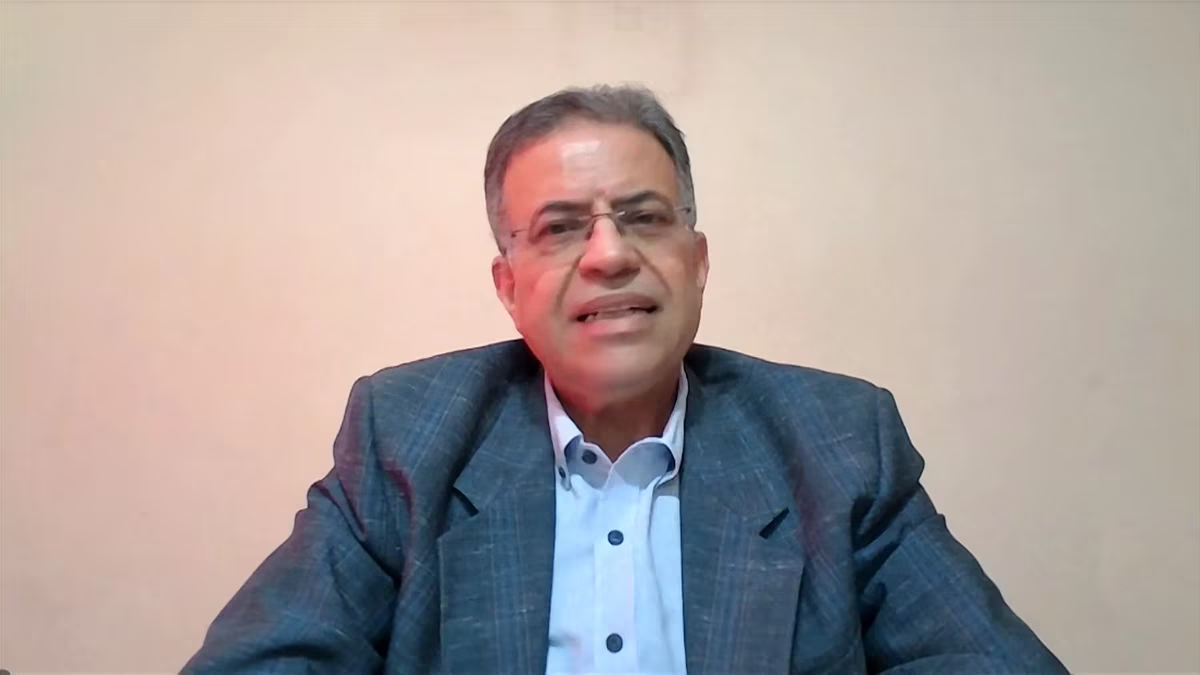







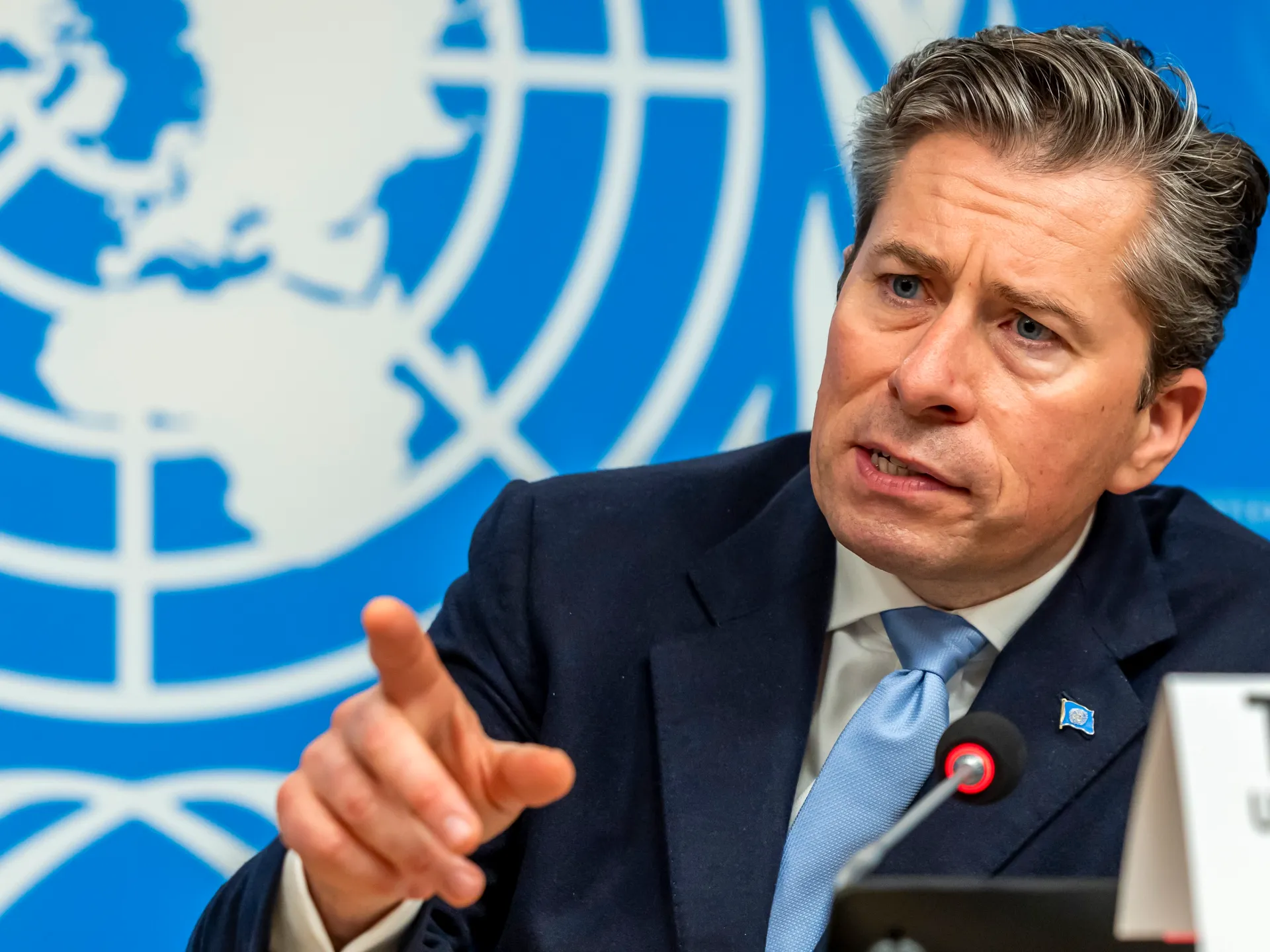
The media advisor for the United Nations Relief and Works Agency for Palestine Refugees in the Near East (UNRWA), Adnan Abu Hasna, stated that Israel is holding 6,000 trucks belonging to the agency carrying food supplies sufficient for the Gaza Strip for three months.
In addition to hundreds of thousands of tents and blankets that can accommodate 1.3 million Palestinians, at a time when the sector is suffering from a worsening humanitarian crisis.
Although Abu Hasna confirmed during an interview that the number of trucks entering Gaza currently exceeds what was entering before the ceasefire, he pointed out that the major issue lies in the mismatch between these quantities and the enormous needs.
Israel still prevents the entry of hundreds of items into the sector, including materials related to health, sanitation, water, and food supplies.
He noted that Israel allows more materials for the commercial sector than it does for humanitarian and relief organizations.
Abu Hasna said that most of Gaza's residents are entirely dependent on humanitarian aid, as people have no money except for a few thousand employees of UN organizations and what remains of Palestinian Authority employees.
He also indicated that humanitarian organizations are submitting requests to bring in specific materials such as spare parts for water desalination and sewage treatment plants, medical equipment, medical teams, and international staff, but Israel rejects most of these requests, limiting approvals to basic materials like canned goods, flour, and some medicines.
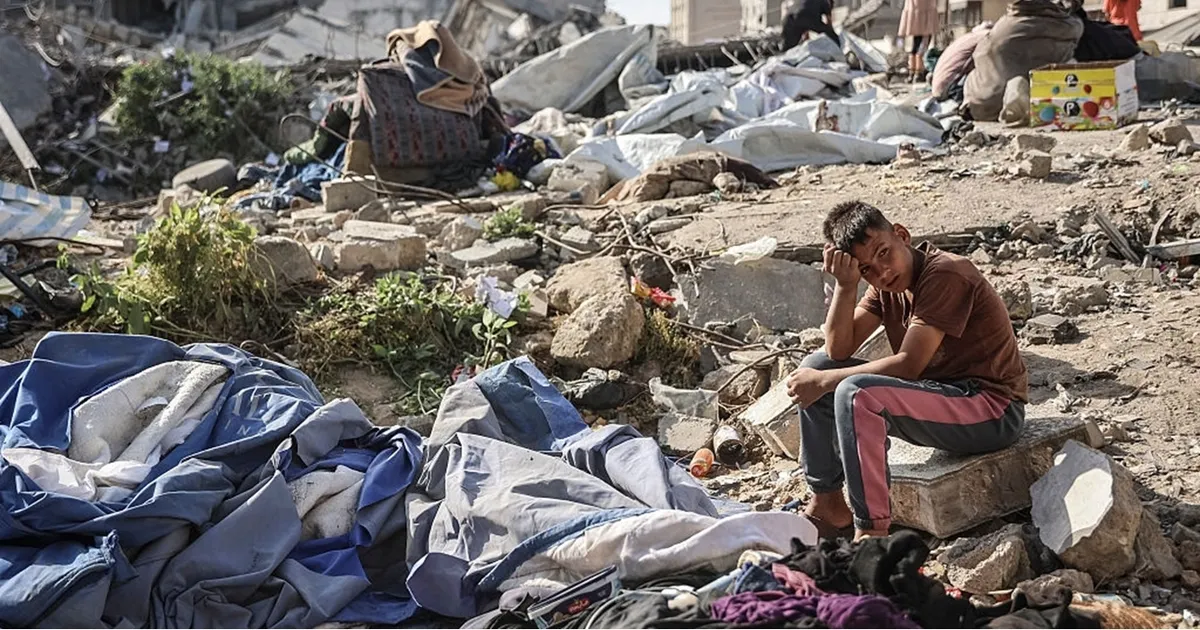
Abu Hasna warned that the continuation of the current situation will return Gaza to square one, citing what happened during two days of rain that fell for only a few hours, where rainwater mixed with sewage due to the destruction of the system, leading to massive collapses of tens of thousands of tents.
On another note, waste is piling up and sewage water is flooding the narrow streets near the tents of displaced people in the southern sector, with children living in swamps filled with diseases and epidemics according to testimonies from the displaced.
Municipal officials explained that the current fuel crisis is the largest since the outbreak of the war two years ago, affecting all aspects of municipal work.
Municipal vehicles and equipment are incapacitated due to fuel shortages, while the occupying authorities have not allowed new vehicles to enter.
On the other hand, the Civil Defense apparatus is facing extreme challenges with the severe fuel shortage, as its crews are unable to reach relief areas in a timely manner.
The continuation of the current situation will return Gaza to square one.

Share your opinion
UNRWA: Israel is withholding aid and Gaza is facing a humanitarian disaster.