






Washington – "Al-Quds" dot com - Said Arikat
The Gaza Humanitarian Foundation (GHF), which was promoted by the United States and Israel as a temporary alternative to the United Nations system for distributing aid within the Gaza Strip, announced the permanent closure of its operations just a few months after its establishment. However, this announcement does not merely close the chapter on a short humanitarian experience; it also puts an end to a project that sparked widespread international outrage due to its disastrous field results, which, according to testimonies from United Nations organizations, paramedics, and survivors, contributed to the deaths of hundreds of Palestinians. While the foundation promotes itself as having "provided a new model for aid distribution," the experience on the ground reveals a model that bears no resemblance to humanitarian work at all, but rather resembles a field security operation in which food distribution has turned into a deadly trap.
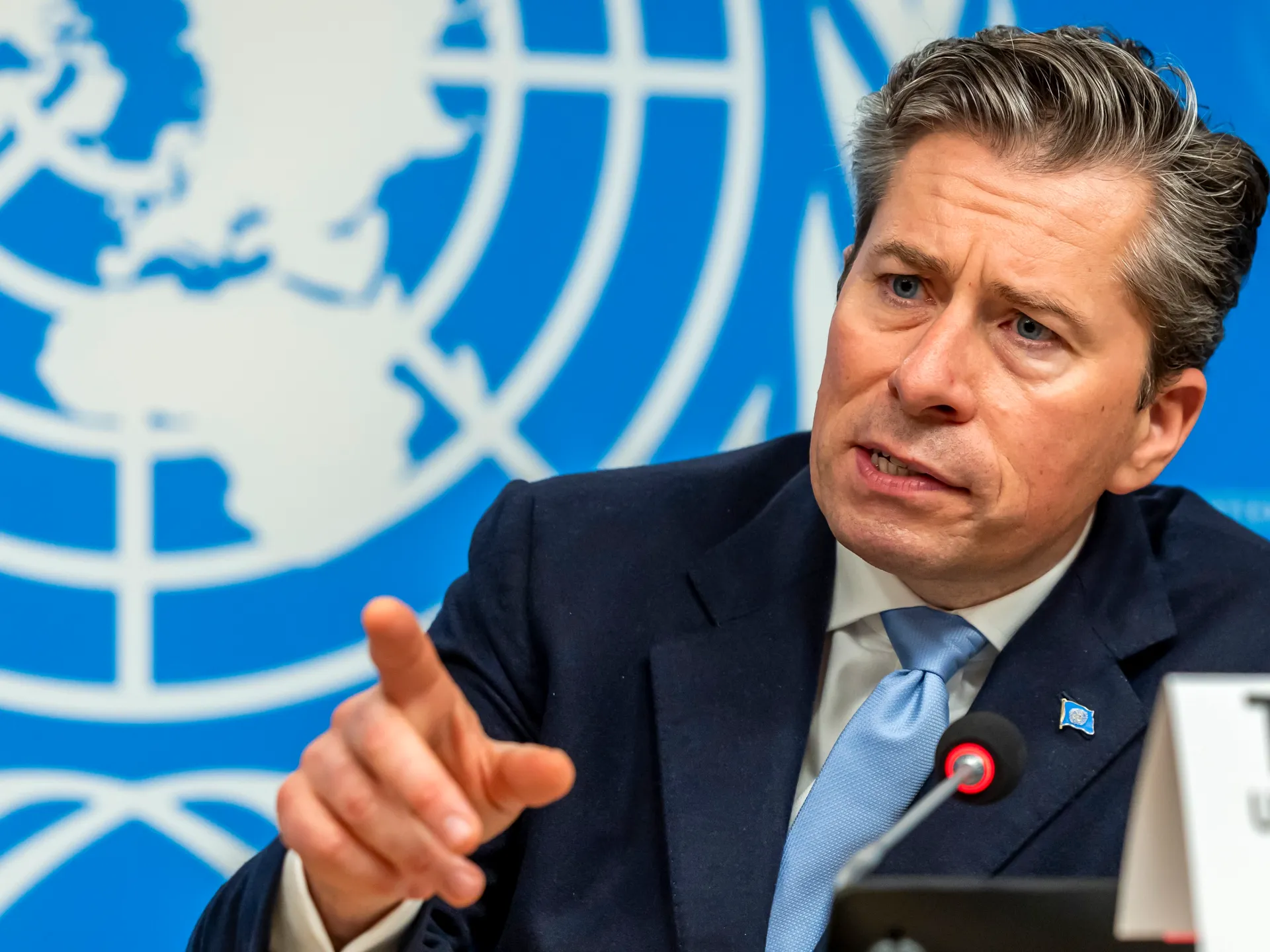
For its part, the U.S. State Department thanked the notorious foundation, with the deputy spokesperson, Tommy Vietor, stating: "The Gaza Humanitarian Foundation (GHF) has shared valuable lessons learned with us and our partners. The foundation's model, which prevented Hamas from looting and profiting from the aid, played an important role in convincing Hamas to come to the negotiating table and reach a ceasefire. We thank them for all they have provided to the people of Gaza."
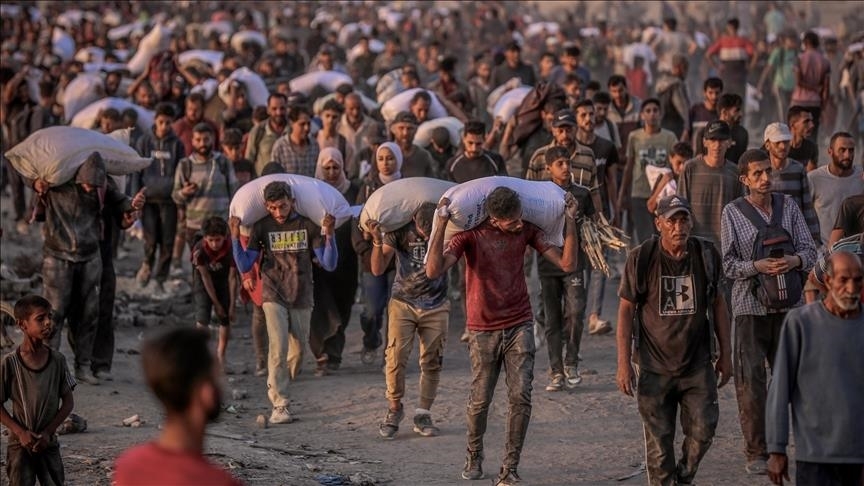
It is noted that since its establishment, the idea of GHF has revolved around creating four massive distribution centers, managed under joint security supervision between private American security companies and the Israeli army, instead of the hundreds of small distribution sites (400) that were overseen by the United Nations. The foundation presented this step as a "practical solution" to ensure that aid did not fall into the hands of armed groups. However, the field reality quickly proved that these centers were inherently dangerous environments, turning collective hunger into a daily gathering at gates surrounded by weapons, in the absence of any professional humanitarian management. With the collapse of the health and administrative system in the sector, Palestinians found themselves forced to risk their lives to obtain a bag of flour or a food can, turning those sites into what resembled death fields.
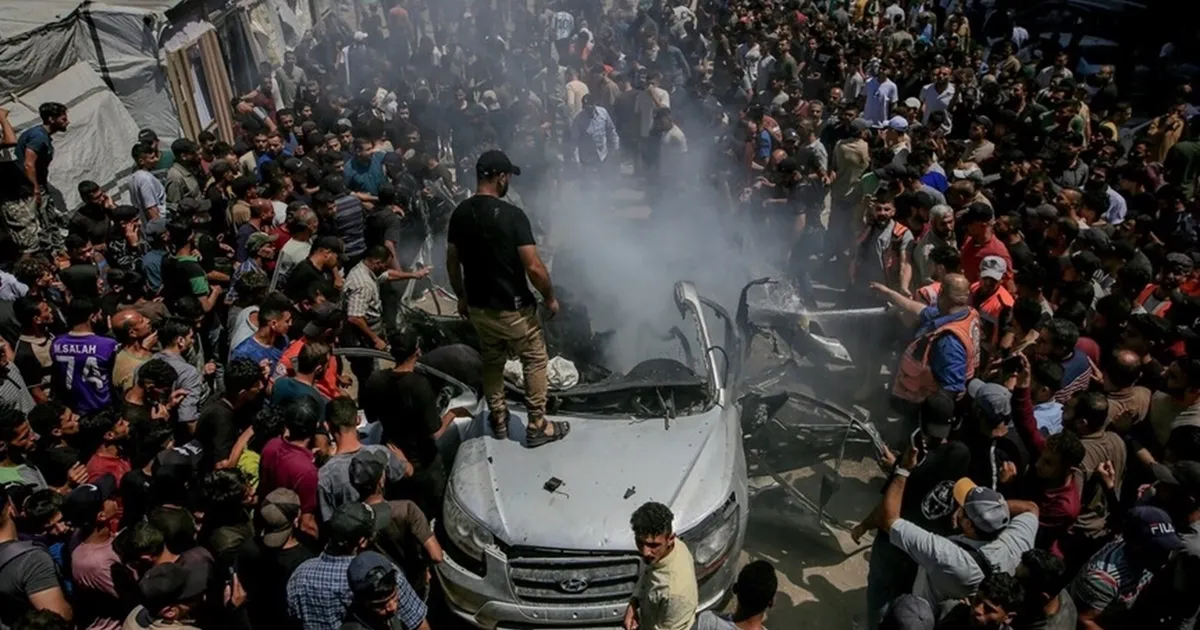
Shooting incidents were repeated during attempts to control the crowds, with hospitals and emergency centers recording hundreds of dead and thousands of injured who were rushing to reach food. Despite these recurring incidents, the foundation and the Israeli army insisted on denying their responsibility, contenting themselves with statements about "warning shots" or "self-defense." However, the scale of injuries, their nature, and the consistency of field testimonies from UN staff, paramedics, and local residents make it difficult to consider these incidents mere isolated mistakes; rather, they reveal a recurring pattern of the use of force in the context of aid distribution, a context that is supposed to be based on protecting civilians, not threatening them.
International criticism did not stop at the limits of field results but extended to the core idea upon which the foundation was built. More than 170 international organizations considered that GHF violated the fundamental principles of humanitarian work, foremost among them neutrality, independence, and non-politicization. The model based on managing aid through a security system, and in direct coordination with a military party involved in the conflict, represents a radical departure from global standards, placing aid within the tools of political pressure, rather than as a protected humanitarian right. Thus, the failure of the foundation was not merely an administrative failure or poor planning, but rather a moral collapse at its core.
In addition, deep structural problems within the foundation itself became apparent. Its first director, Jake Wood, resigned early after announcing that the foundation was unable to adhere to humanitarian principles. Its branch registered in Geneva faced orders for dissolution from Swiss authorities due to the absence of basic legal requirements, from a bank account to an effective board of directors. Complicating the scene were allegations from former contractors who spoke of "behaviors that could amount to crimes," allegations that the foundation denied but could not shake off their impact on its reputation.
Despite the official closure of GHF, the model it established has not been fully dismantled. Washington and Tel Aviv announced that the post-foundation phase would be managed through a "Civil-Military Coordination Center," a new mechanism that is supposed to continue – and even expand – the very model that sparked all this controversy. This development raises widespread concerns about the reproduction of an experience that has proven its bloody failure, rather than stopping to learn the necessary lessons to protect civilians and ensure the dignified and safe delivery of aid.
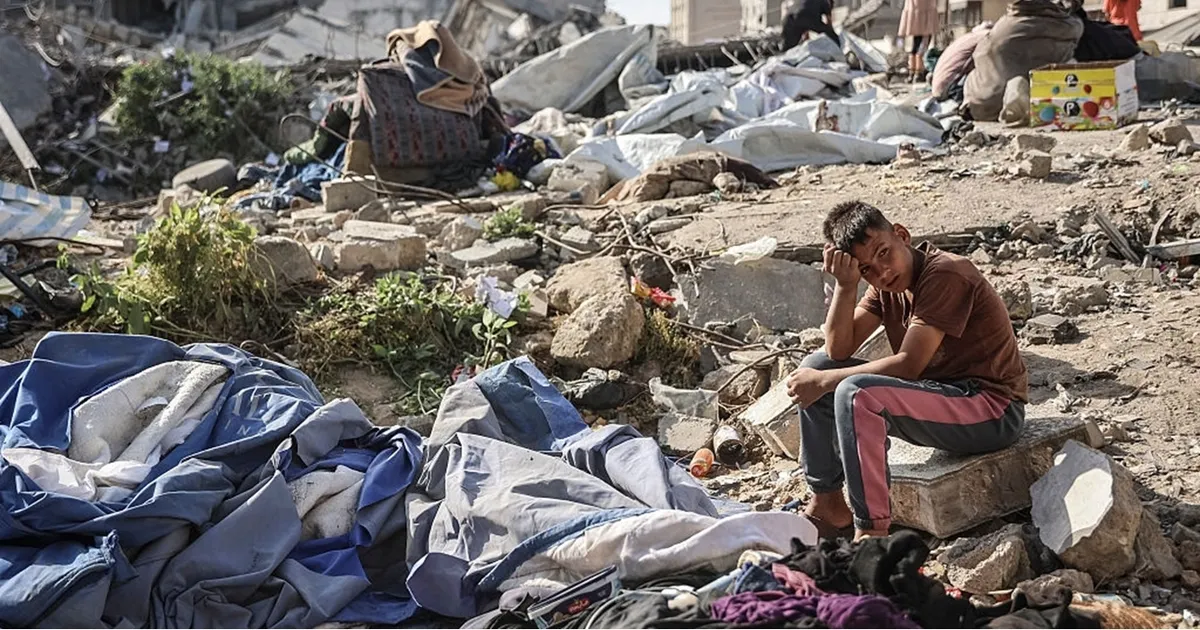
The experience of the Gaza Humanitarian Foundation is an example that should be reflected upon at length, not as a new model for aid distribution, but as a stark warning of the dangers of transforming humanitarian work into a security project governed by the logic of force rather than the logic of protection. The foundation has left behind a heavy legacy of victims, chaos, and failed field experiences, making it essential


Share your opinion
Famous for its death traps.. "Gaza Humanitarian Foundation" ends its work in the sector.