






The United Nations warned that 96% of the population in the Gaza Strip is facing catastrophic levels of food insecurity and stated that there is an urgent need to increase aid to the region to reach those in need before it is too late.
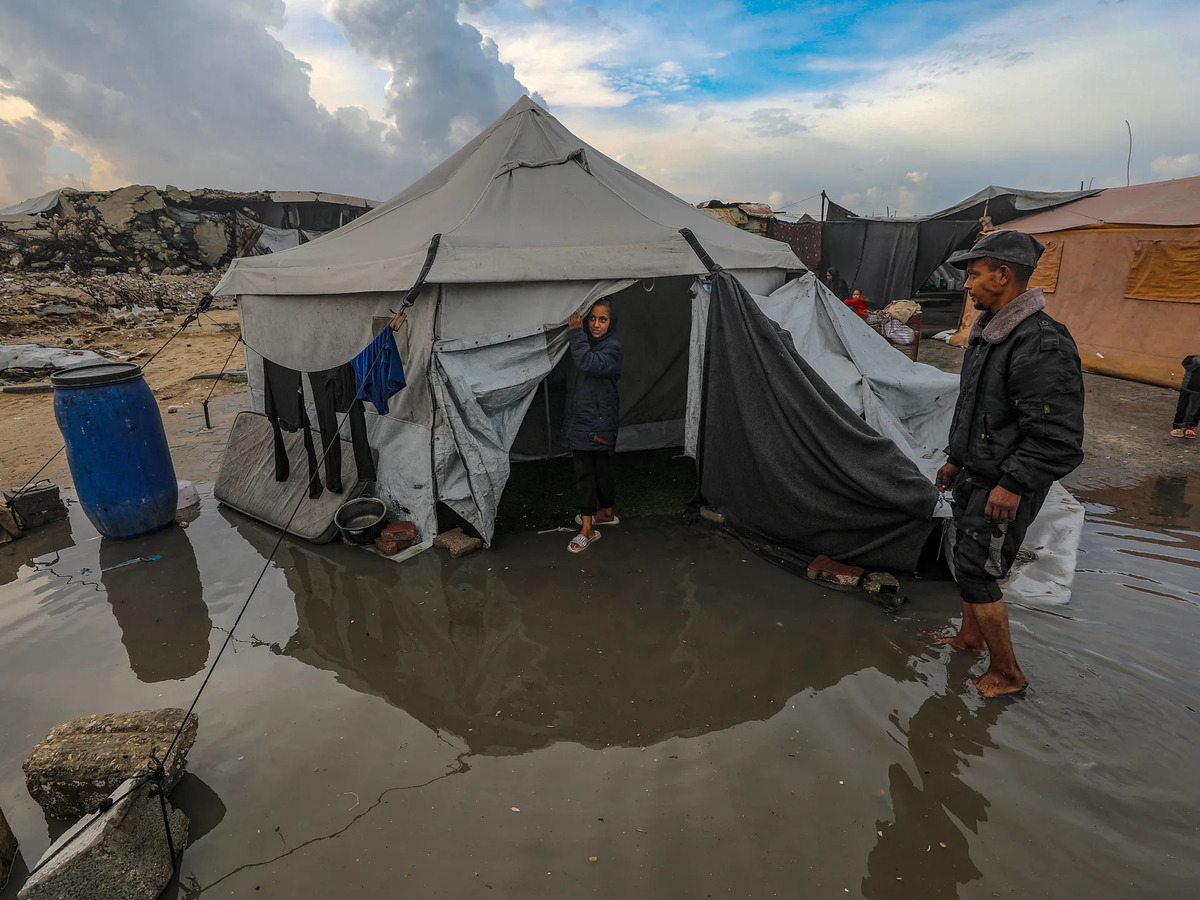
UN officials reported that the recent rains, floods, and severe cold have exacerbated the situation in the region. Tom Fletcher, the UN Under-Secretary-General for Humanitarian Affairs and Emergency Relief Coordinator, said, "Palestinians in Gaza are suffering from the cold after the recent rains, and frustration is growing as flood levels rise and what little property they have left is destroyed."
Fletcher noted on X platform that the UN and its partners are moving to provide assistance, but the need is much greater, calling for "the urgent lifting of remaining restrictions to deliver more aid."
For his part, Farhan Haq, Deputy Spokesperson for the UN Secretary-General, stated that the heavy rains and winter conditions have worsened the difficult living conditions in Gaza, pointing out that the UN Special Coordinator for the Middle East Peace Process has allocated $18 million to support vital operations throughout Gaza.
A UN delegation visited several hospitals and displacement camps in the Gaza Strip, and the delegation, headed by the Humanitarian Coordinator for the Palestinian Territories, Ramiz Al-Akbarov, assessed the humanitarian conditions of the displaced and the health needs of Gaza's hospitals.
In this context, World Bank data indicated that the poverty rate in the region has approached 100%, with unemployment exceeding 80%.
In recent days, a low-pressure system accompanied by winds and rain struck the Gaza Strip, causing tens of thousands of tents housing displaced persons to flood, depriving them of their last remaining shelter and belongings after Israel destroyed their homes over two years of genocide.
The number of displaced persons in the Gaza Strip, according to estimates from the government media office, is 1.5 million Palestinians, who live in a tragic reality due to the lack of basic life necessities and difficulty accessing essential supplies and vital services due to the ongoing Israeli blockade.
Most of these displaced persons have taken shelter in damaged tents, while the government office estimated at the end of September that the percentage of tents that are no longer suitable for habitation reached about 93%, with 125,000 tents out of a total of 135,000.
With the flooding of the tents, Palestinian displaced persons have no alternative places for shelter, as Israel has destroyed 90% of the civil infrastructure over the past two years, with initial losses estimated at around $70 billion.
Additionally, Israel refuses to allow alternative shelter to be brought in, evading its commitments outlined in the ceasefire agreement that came into effect on October 10.
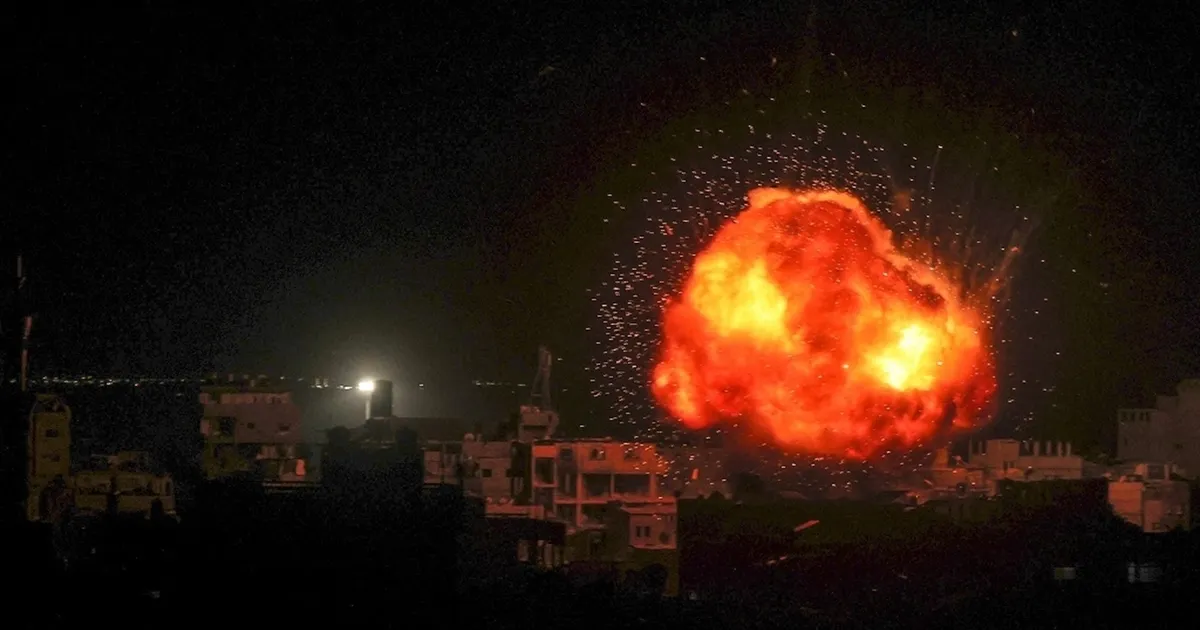
The agreement halted a genocide that left more than 69,000 Palestinian martyrs and over 170,000 injured, most of whom are children and women, but since then, the occupation has continued its bombing and demolition operations and violated the agreement, resulting in hundreds of martyrs and injured.
"Palestinians in Gaza are suffering from the cold after the recent rains, and frustration is growing as flood levels rise."
Share your opinion
United Nations: 96% of Gaza's population faces catastrophic levels of food insecurity.