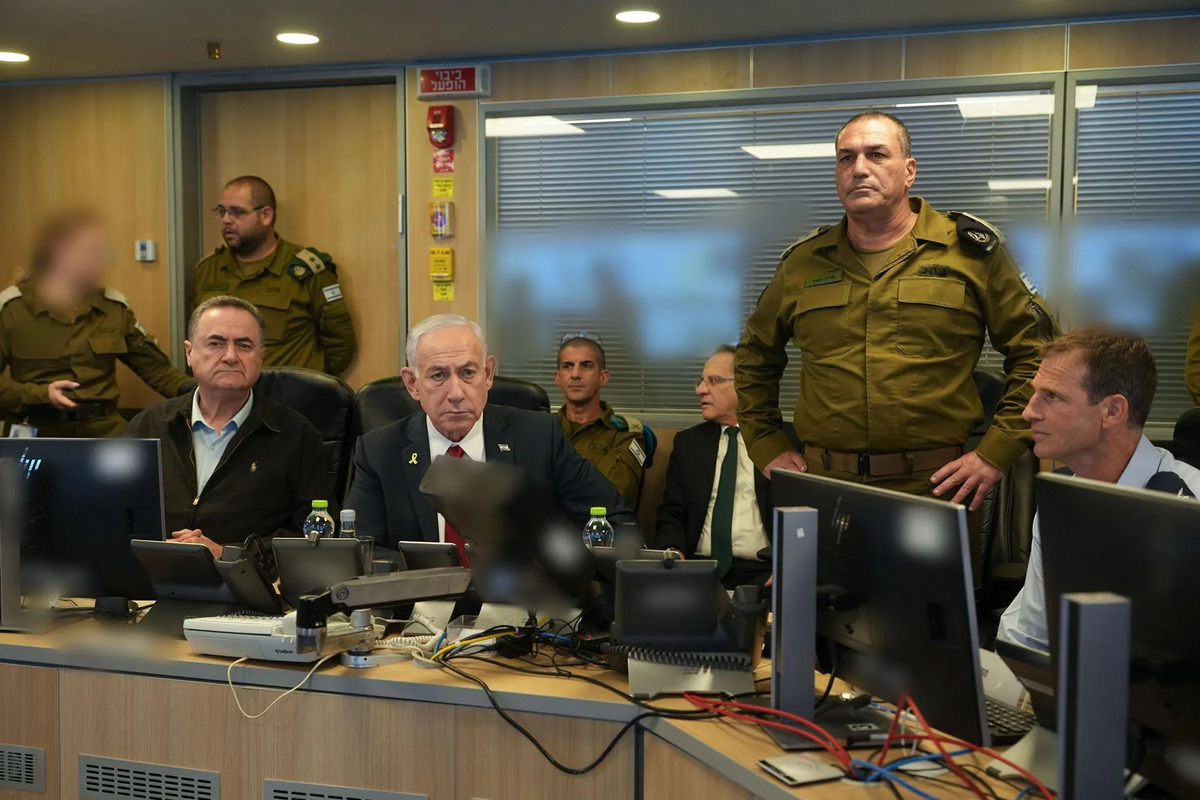







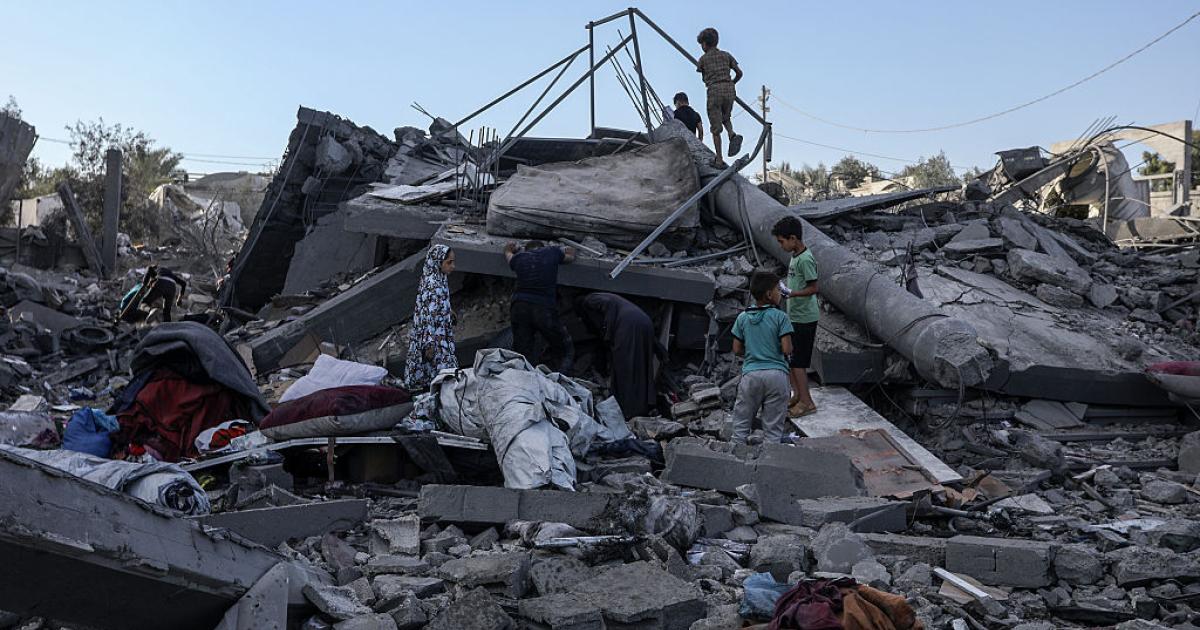
Israeli Prime Minister Benjamin Netanyahu and Chief of Staff Eyal Zamir hinted at the possibility of resuming military operations in the Gaza Strip, as Washington and the Security Council prepare to discuss the next phase of the ceasefire agreement and prisoner exchange.
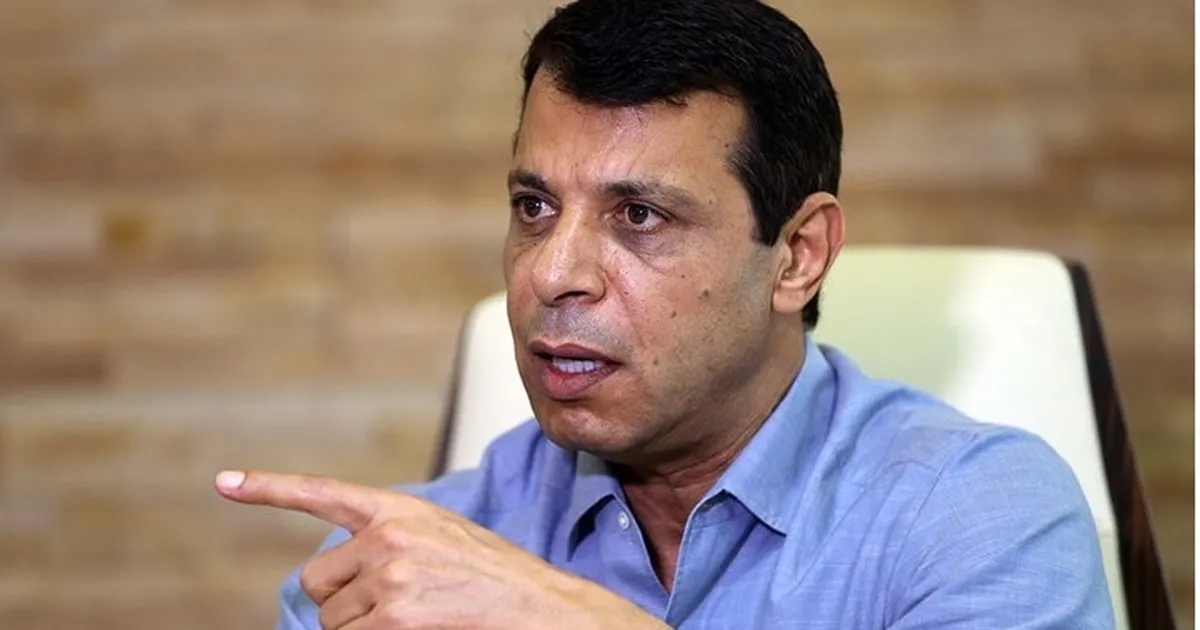
Netanyahu stated—in remarks reported by Israeli media—that he "does not know how long the ceasefire will last," emphasizing that Israel "cannot abandon the phase of making Gaza a demilitarized zone," noting that this item will be discussed in the security cabinet.
These statements coincided with leaks indicating that Netanyahu links the transition to the second phase of the agreement with the start of the disarmament process for the resistance, despite the bodies of three Israeli prisoners remaining in the sector.
These developments reflect "Israeli intentions to reopen the door to military action," according to a correspondent in Palestine, Elias Karam, pointing out that Netanyahu "is setting preconditions" for the international community and the United States, presenting the disarmament of Gaza as a mandatory condition before any progress on the terms of the agreement.
In the same context, Eyal Zamir made notable statements confirming that "Hamas's rule will not last even if it takes time," and that the army is preparing for a "wide attack" to occupy areas located beyond the "yellow line," meaning those from which it withdrew during the recent redeployment operation.
The "yellow line" separates the part of Gaza controlled by the Islamic Resistance Movement Hamas from the buffer zone controlled by the occupying army, which represents 53% of the area of the sector, and has been marked on the ground by yellow concrete blocks.
According to Karam, Netanyahu and Zamir "are trying to create conditions for the international and Israeli communities to make a return to war a viable option," by linking the political and security track to the demand for disarmament.
Tel Aviv also expresses objections and reservations about the proposed multinational force to manage the transitional phase, viewing it as problematic that could hinder the implementation of the agreement.
Karam also points out that the issue of Hamas fighters stranded in Rafah may pose "an additional obstacle to the resilience of the agreement," in light of the absence of a clear vision for their fate and the impact of this issue on the course of the ceasefire.
The ceasefire in Gaza began on October 10 last year after two years of Israeli extermination, under the Sharm El-Sheikh agreement brokered by Qatar, Egypt, and Turkey as part of a 20-point plan laid out by U.S. President Donald Trump.
In a related context, Israeli broadcasting authority revealed that Tel Aviv is exerting last-minute pressure on the Trump administration to soften the wording of a U.S. draft resolution that will be presented on Monday to the Security Council, addressing a multinational force in the Gaza Strip, in addition to clear signals towards self-determination and the establishment of a Palestinian state.
Netanyahu confirms that Israel cannot abandon the phase of making Gaza a demilitarized zone.

Share your opinion
War rhetoric or negotiating pressure? Netanyahu and Zamer raise the tone of threats towards Gaza.