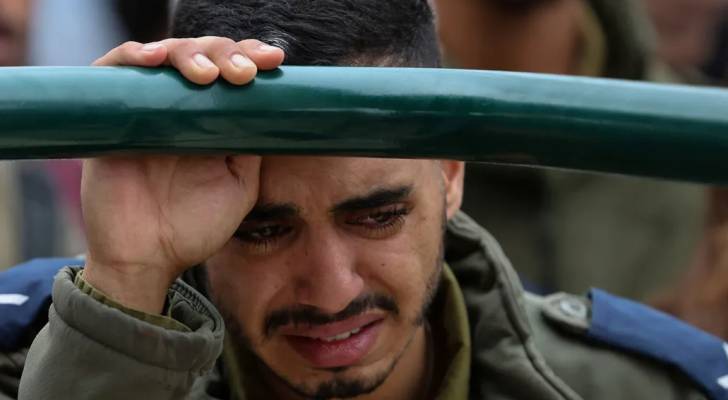







The "Natal" association, affiliated with the occupation and specializing in psychological trauma, announced data regarding the effects of the Gaza war on reserve soldiers in the occupying army.
The association indicated that about 50% of the reserve soldiers who suffered from "Post-Traumatic Stress Disorder" (PTSD) face significant difficulties in reintegrating into the job market after returning from military service.
"Natal" mentioned that these soldiers often encounter ongoing challenges related to mental and social health, leading them to move between different jobs or remain unemployed for long periods, reflecting the deep impact of the psychological traumas they experienced during the military conflict.
The association emphasized that these figures highlight the need for continuous psychological and professional support for reserve soldiers suffering from "Post-Traumatic Stress Disorder," including rehabilitation and support programs that help them gradually return to professional life.
"Natal" clarified that the psychological difficulties faced by the soldiers are not limited to work integration alone, but extend to social and family relationships, as many of them feel isolated and under constant psychological pressure after participating in military operations.
The association pointed out that this phenomenon is not new, but it has become more pronounced after the recent operations in Gaza, prompting the launch of intensive professional and psychological follow-up programs to support these soldiers and reintegrate them into society in a safe and stable manner.
"Natal" added that the continued neglect of their psychological and social needs could exacerbate unemployment issues among soldiers suffering from PTSD, in addition to increasing cases of anxiety, depression, and isolation, which negatively impacts their quality of life and the stability of their families.
The association also highlighted the importance of integrating psychological rehabilitation programs into the plans of the entity's government and community services to ensure the necessary support for soldiers suffering from psychological trauma and to facilitate their gradual transition into the job market.
"Natal" explained that these statistics come as part of its ongoing efforts to monitor the psychological and social condition of soldiers after military operations and to provide practical recommendations to decision-makers on how to address the effects of psychological trauma at the individual, family, and community levels.
The figures show an urgent need for continuous psychological and professional support for reserve soldiers suffering from Post-Traumatic Stress Disorder.


Share your opinion
Hebrew Association "Netal": 50% of injured reserve soldiers suffer from "post-traumatic stress disorder"