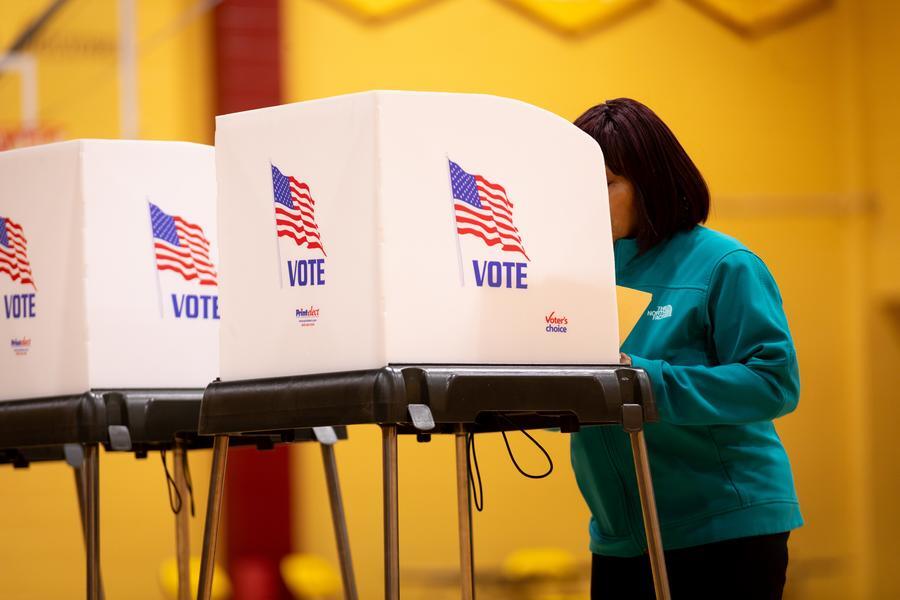







Nearly two years after the outbreak of war in Gaza, the results of a new survey conducted by The New York Times in collaboration with Siena College (published Tuesday) reveal a radical shift in American voters' attitudes toward the Israeli-Palestinian conflict, specifically regarding U.S. support for Israel, the long-standing strategic ally.
The survey, which included 1,313 registered voters across the United States and was conducted from September 22 to 27, 2025, indicates that a significant portion of Americans, particularly among the youth and Democrats, has become more critical of Israel and more sympathetic to the Palestinians – a first since this question was posed in opinion polls in 1998.
A New Sympathy Curve: Palestinians Lead for the First Time
In October 2023, following the attacks carried out by Hamas on Israel in the Al-Aqsa Flood operation, a previous survey showed that 47% of Americans sympathized with Israel compared to only 20% with the Palestinians. However, the picture today has changed; 35% sympathized with the Palestinians compared to 34% with Israel, while 31% said they were either unsure or supported both sides equally.
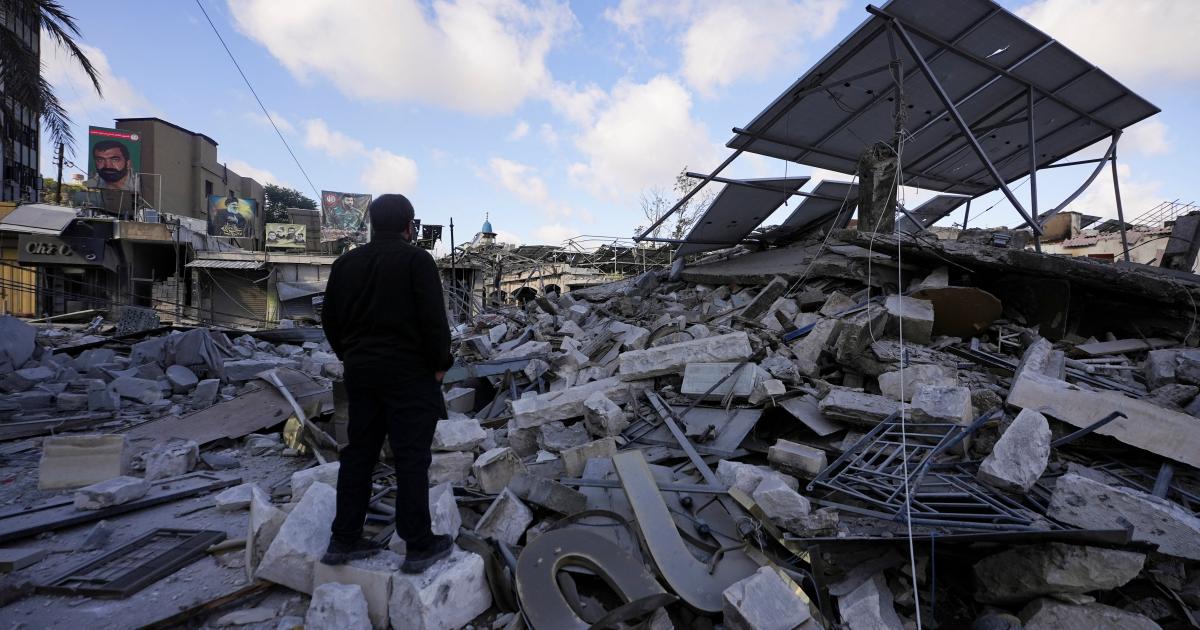
This shift reflects, as observers see it, a deeper change in the general American mood toward one of the most complex issues in foreign policy, especially in light of the rising scenes of violence and destruction in Gaza and the increasing number of civilian casualties.
A Decline in Support for Military and Economic Aid
The survey also revealed that the majority of American voters now oppose sending additional military and economic aid to Israel, marking a notable shift since the October 7 attacks. Sixty percent of respondents stated that Israel should halt its military operation, even if hostages are not released or Hamas is not eliminated.
Forty percent of participants said that Israel "is deliberately killing civilians in Gaza," a figure that has nearly doubled compared to the 2023 survey. A large number of participants also expressed the belief that the Israeli army does not take sufficient precautions to avoid civilian casualties.
Testimonies from Voters Who Changed Their Stance
Austin Mogliston, a 33-year-old Democrat from Idaho, said he was previously a strong supporter of Israel, especially after the October 7 attacks. However, he added, "With the length of the war and what Israel is doing to the Palestinians, it no longer seems equitable."
Shannon Carey, a Democrat from Connecticut and a mother working as a physician's assistant, described the Israeli attacks as "unreasonable" and called for an end to U.S. military and financial support, saying, "As a mother, seeing these children is terrifying. This is not a war. It is genocide."
Clear Party Division: Democrats Shift, Republicans Retreat
The most apparent shift came from Democratic voters. While Democrats were divided two years ago (34% with Israel and 31% with the Palestinians), today 54% express greater sympathy for the Palestinians, compared to only 13% who still support Israel.
More than 80% of Democrats also expressed a desire for Israel to stop its war even if it does not achieve its objectives. About 60% of Democrats believe that Israel is deliberately killing civilians.
In contrast, Republicans still support Israel by a clear majority, with 64% saying they sympathize with it compared to 9% with the Palestinians. However, this support has declined by 12% compared to 2023.
The newspaper attributes to Republican Edward Johnson from Minneapolis, who described himself as a "Trump supporter," his statement: "Israelis can rely on themselves, but we need to make sure they are not facing this alone," which is symbolic language suggesting that support should stop.
The Young Generation at the Heart of the Shift
The survey also showed that voters under the age of thirty are the least supportive of Israel, with about 70% opposing any additional aid. This trend includes young people from both parties, indicating a decline in the traditional popular support for Israeli backing in the United States.
Notably, the largest shift came from an unexpected segment: "older, educated white Democrats," who until recently were among the strongest supporters of Israel within the Democratic Party.
Future Challenges for the U.S.-Israeli Alliance
Since its establishment in 1948, Israel has been the largest recipient of U.S. aid, receiving hundreds of billions of dollars. However, the results of this survey indicate that this reality may change, given the decline in popular support that could cast a shadow over official policies, especially if the conflict continues and the number of civilian casualties in Gaza increases.
Experts believe that the issue of U.S. support for Israel may become a central point of discussion among parties, as
Share your opinion
Shift in American Mood Towards Israel: Survey Reveals Decline in Support After Two Years of War in Gaza