






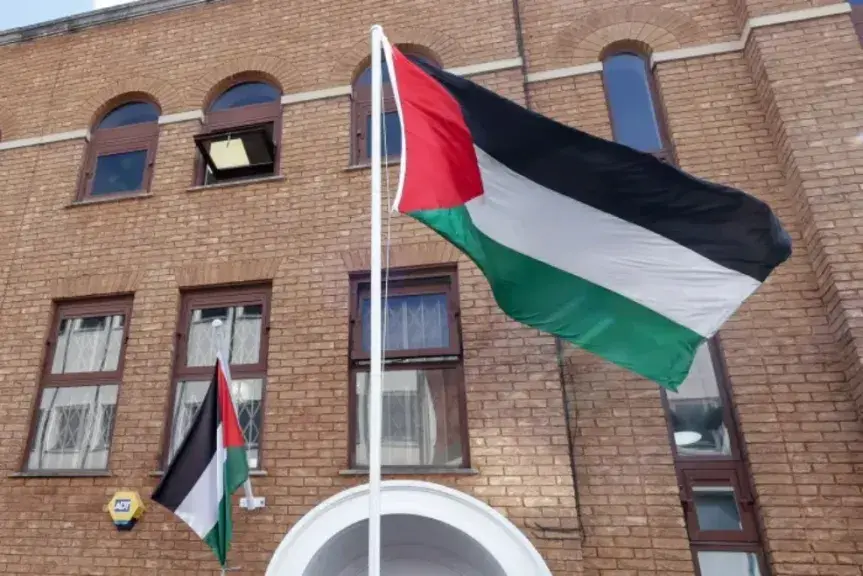
Dr. Dalia Arikat: The recognitions provide additional legal and political weight to affirm the illegitimacy of settlements and push to put an end to the occupation's attempts to evade accountability.
Aouni Al-Mashni: The step reflects the collapse of the Israeli narrative that long promoted the absence of a Palestinian partner or the impossibility of establishing a Palestinian state.
Dr. Said Shaheen: The recognitions will have no actual weight unless translated into practical measures such as imposing economic and political sanctions on Israel.
Sari Samour: The essence of the matter lies in the readiness of the countries that initiated or will initiate recognition to take practical steps against settlement activities.
Dr. Walaa Qdeimat: The recognitions are conditional and require vigilance... and it is still early to talk about nullifying the legitimacy of settlements or achieving direct field gains.
Salih Mousa: The recognitions are important due to the resulting implications, and the recognizing countries will be obligated to apply international law and "humanitarian" law and international legitimacy decisions.
The recent recognitions of the State of Palestine by several countries, including major ones like France, Britain, Canada, and Australia, represent a historic step that enhances the international legitimacy of the Palestinian cause and the legal status of the Palestinian state, and puts an end to the Israeli occupation's attempts to evade accountability.
According to writers, political analysts, specialists, and university professors, in separate conversations with "Y," these recognitions provide a legal and political platform for Palestine to hold Israel accountable, by requesting the convening of a conference for the states party to the Geneva Conventions to take measures against settlement activities, impose sanctions on settlers, and halt any cooperation with occupation projects on the ground.
Writers, analysts, specialists, and university professors affirm that this step allows for the transformation of symbolic recognition into tangible steps that support the resilience of Palestinians and curb the expansion of settlements.
However, they point out that Israel may take retaliatory measures, including accelerating annexation projects, expanding settlements, and imposing restrictions on the Palestinian Authority, making the commitment of the international community to implement the recognitions practically crucial to ensure the protection of Palestinian rights and confront the policies of occupation.
A pivotal turning point in the Palestinian-Israeli conflict
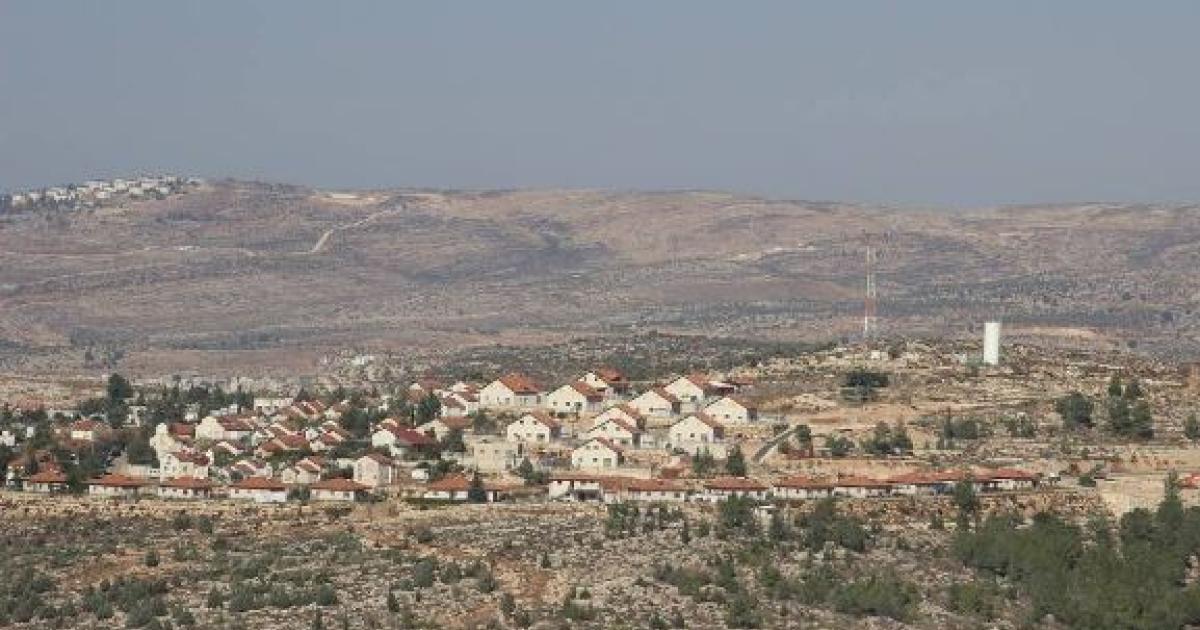
Dr. Dalia Arikat, a professor of diplomacy and conflict resolution at the Arab American University, asserts that international recognitions of the State of Palestine represent a pivotal turning point in the Palestinian-Israeli conflict, as they provide additional legal and political weight to affirm the illegitimacy of Israeli settlements and push towards a new approach that constrains the occupation and puts an end to its ongoing attempts to evade accountability.
Arikat clarifies that the international community has previously settled the issue of the illegitimacy of settlements through clear resolutions, most notably the advisory opinion of the International Court of Justice regarding the wall in 2004, and its new opinion on the legality of the occupation in July 2024, in addition to Security Council Resolution 2334, which unequivocally affirmed the illegitimacy of settlement activities.
Moving the matter to a more binding level
Arikat emphasizes that the recent recognitions of the State of Palestine, especially from major countries like France, Britain, Canada, and Australia, elevate the matter to a more binding level, making the continuation of settlements not just a legal violation, but a direct challenge to the will of a broad international coalition.
Arikat explains that "any settlement action, racist policy, or crime committed after these recognitions is no longer merely an issue in disputed land as Israel markets it, but an aggression against a sovereign state recognized internationally," asserting that this point represents a qualitative shift in the legal and diplomatic balance of power.
Arikat stresses that the countries that recognized Palestine are now obligated to translate this recognition into practical steps, in respect of bilateral relations and political and legal obligations towards Palestine as a state.
According to Arikat, these potential steps include imposing sanctions on settlers, banning settlement products in international markets, and halting any cooperation with Israeli projects based on occupied Palestinian land.
A beginning to correct the course of the international system
Arikat considers that these measures could represent a beginning to correct the course of the international system by holding the occupation accountable and preventing its evasion from accountability.
Regarding the expected Israeli reaction, she clarifies that Tel Aviv will likely resort to retaliatory steps,


Share your opinion
International Recognitions.. Strengthening the Legal and Political Statuses to Assert State Sovereignty