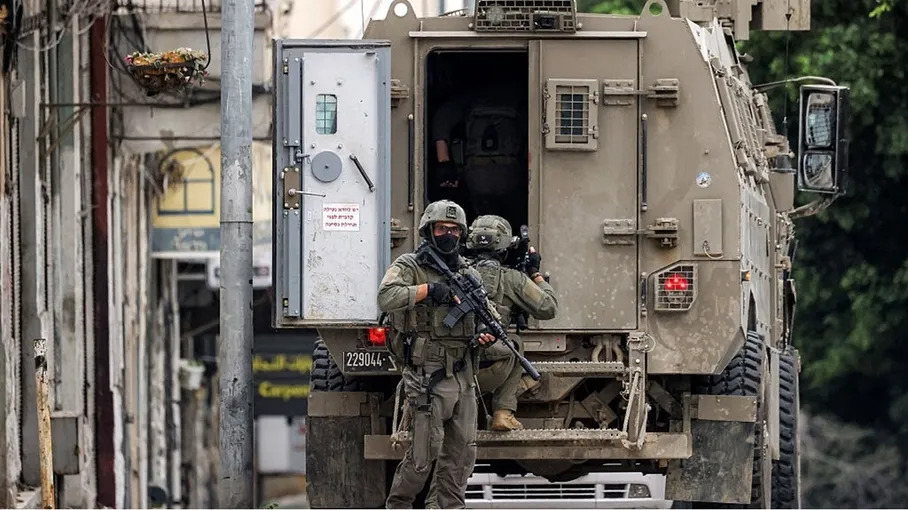







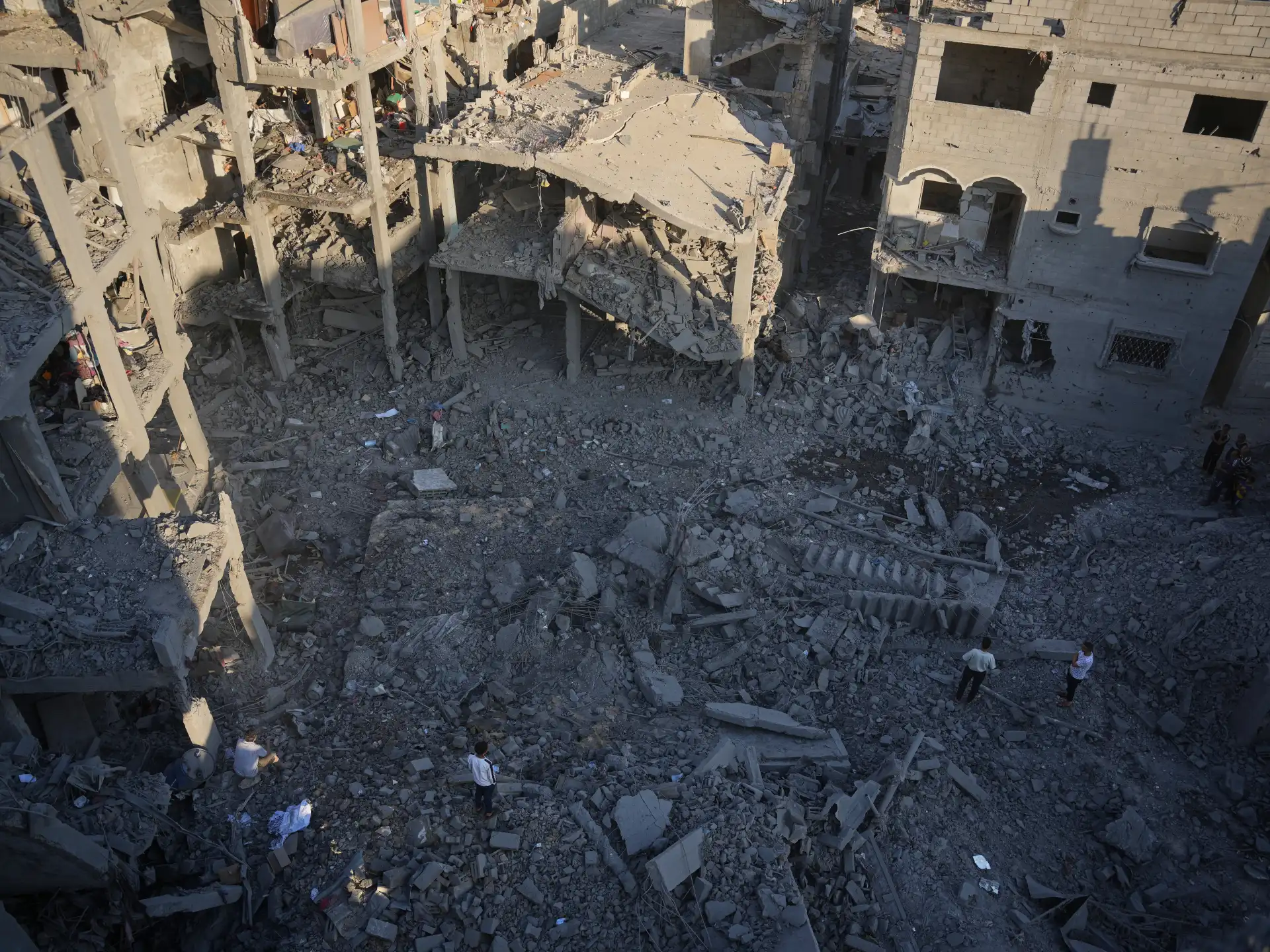
At a time when the occupation's involvement in Gaza is increasing due to its bloody and senseless war, its gaze does not overlook the situation that is about to ignite in the West Bank, in light of the economic crisis, the erosion of the Palestinian Authority, and the despair from the security forces, all of which are factors creating an explosive reality that may manifest as a third popular uprising.
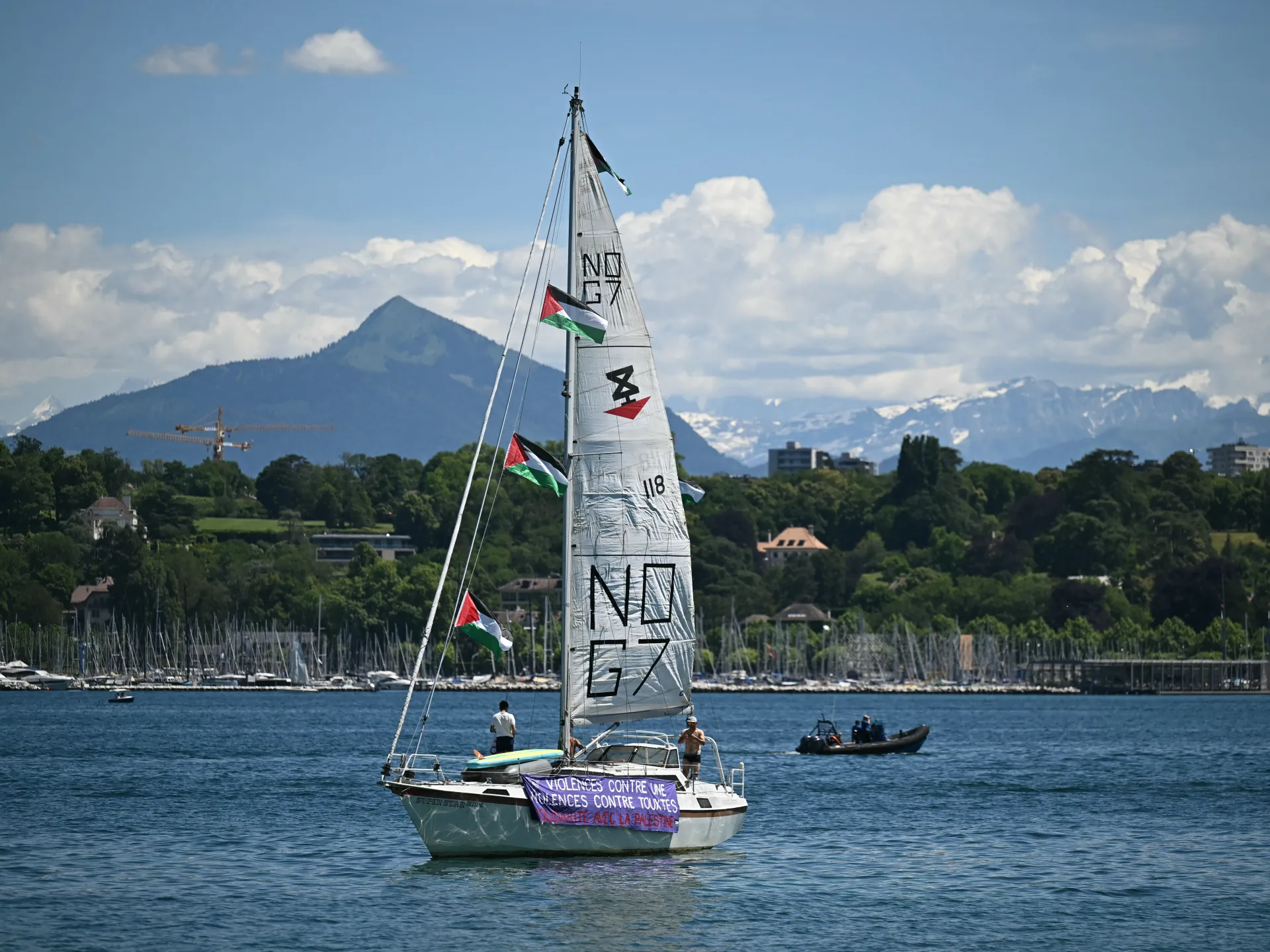
Amir Bar Shalom, the military correspondent for the Israel Times, mentioned that in the coming week, three extremely concerning events from an Israeli perspective will converge: the United Nations Assembly, which will open with a broad recognition of the Palestinian state, the imminent ground operation to occupy the city of Gaza, and the mass protest fleet that is already making its way to the shores of Gaza, none of which bode well for the Israeli political horizon.
He added in an article he translated that the military establishment refers to the fleet, which is currently being monitored by the media, as a deliberate ambush, and it is the largest naval fleet ever sent to Gaza, arriving at a politically critical time for the occupation. It is true that a decision was made to stop it, as happened with previous fleets, after the army considered several alternatives designed to prevent the ships from reaching their destination, but most were rejected for fear of getting involved in international problems.
Therefore, it is likely that we will again see images of soldiers boarding civilian ships and hear about peace activists sending a final message on social media before disappearing.
He confirmed that despite this, the fleet represents a small problem for the occupation at this stage, compared to the larger problems coming down the road, especially if it is dangerously linked between the operation in Gaza, the violent reaction against the recognition of a Palestinian state at the United Nations, and the immediate repercussions it may have on the West Bank, which has recently been pushed into the shadows among the other warring sectors.
He explained that the West Bank has been boiling for a long time, primarily due to the economic crisis. Since October 7, 2023, Palestinian workers have been banned from entering the occupied territories, and the Netanyahu government rarely transfers clearance funds to the Palestinian Authority.
The Finance Minister Bezalel Smotrich holds two influential roles from his perspective: he is the finance minister who stops the funds, and a minister in the Ministry of Defense who encourages and prepares for settlement construction.
The writer pointed out that under the current situation, the Palestinian people are living in a state of despair, especially the security forces, whose members receive less than half of their salaries, yet their security coordination with Israel continues.
However, the army recently conducted a comprehensive assessment of the situation in the West Bank, clarifying the necessity of strengthening the authority, even though this is a security decision, not a political one, as having an effective authority with effective security mechanisms is an Israeli security interest.
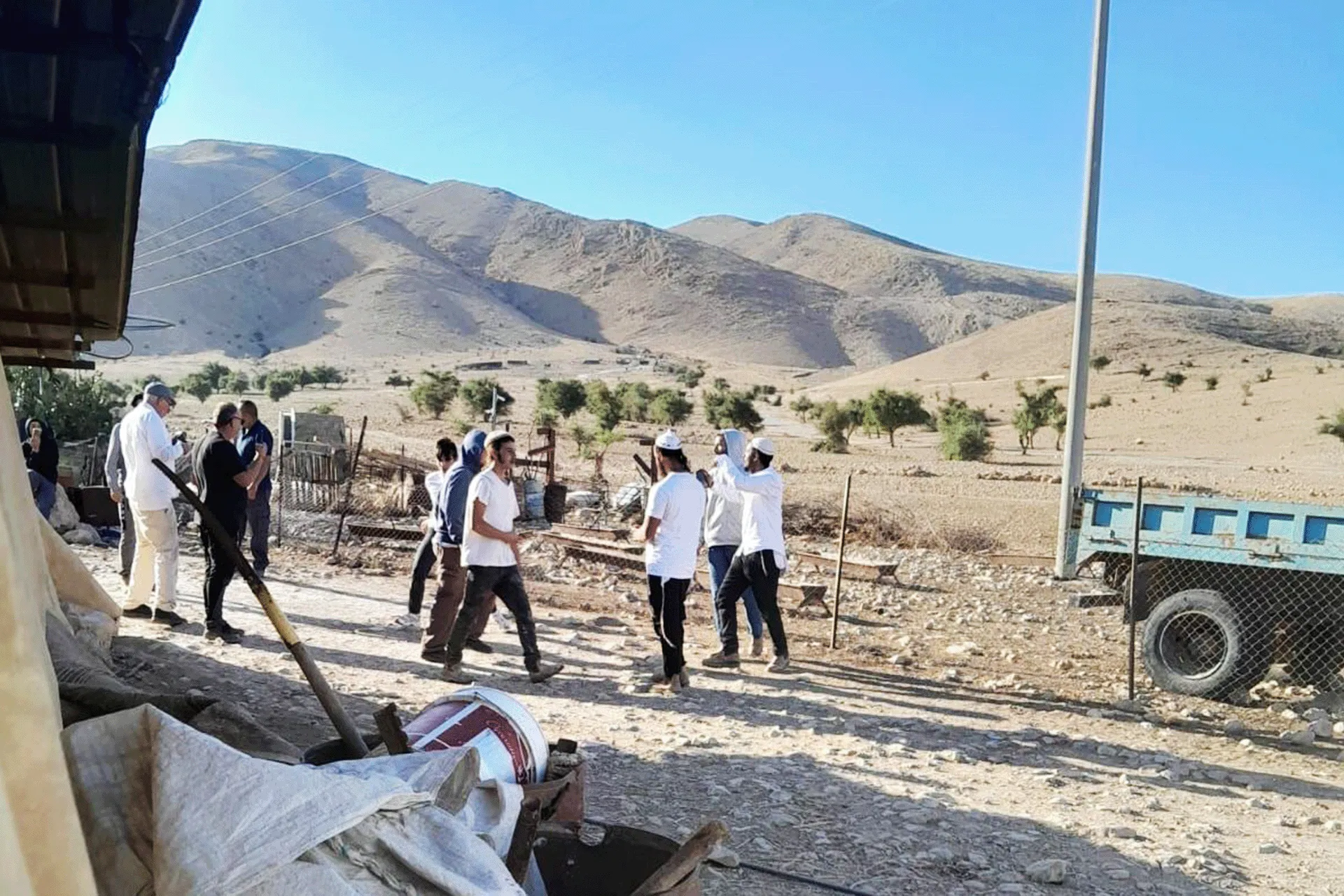
Evidence of this emerged this week when Palestinian security forces rescued an Israeli settler from the Dheisheh refugee camp near Bethlehem.
Shalom added that no Israeli can guess what would have happened if the incident had ended with the execution of this settler, and where the Israeli response would have headed, especially under the current government.
It is known that the military establishment has long pointed to the slow erosion policy of the Palestinian Authority, aimed at weakening it, and this aligns with the strong opposition of right-wing ministers to any discussion about "the day after" in Gaza, to close the door on the possibility of it taking partial responsibility there.
He confirmed that in such a scenario of gradual collapse, the possibility of a reversal of situations emerges, which is an extreme scenario recently mentioned in situation assessments.
The army asserts that there are currently no field indicators on the ground, or in the ongoing dialogue with the authority, but the concern lies in the speed of its escalation, from local friction between settlers and Palestinians to an escalation sweeping the entire West Bank.
It is no coincidence that the army is changing the distribution of its forces in preparation for the ground operation in Gaza, leaving a large force from the regular paratroopers brigade to deal with the West Bank, and several reserve battalions will join it.
The military correspondent noted that the Israeli concern lies in a mix of spontaneous civil protests and security deterioration, despite the strict policy of tilling in the West Bank, in contrast to the mowing policy that prevailed until October 7.
This included the evacuation of three refugee camps: Nur Shams, Tulkarem, and Jenin, where the military establishment recognizes an increase in the scope of these operations.
It is true that they are isolated attacks, less organized, but they are still deadly, such as the recent attack at the Ramot



Share your opinion
Israeli fears of escalating situations in the West Bank despite the "deceptive" calm.