





Dr. Suhail Diab: The displacement project from Gaza will remain on the table despite its stagnation after the Doha strike and looming dangers in the West Bank
Yasser Manaa: Israel has established a special department for immigration within the Ministry of Defense to prepare and implement a comprehensive plan for the displacement of Gazans
Mohammed Abu Alan Draghmeh: The insistence of the people of Gaza to remain on their land despite the massacres and destruction is a direct slap to the displacement project
Dr. Aql Salah: If Israel implements the displacement project from Gaza, it will focus on emptying the West Bank of its inhabitants
Fayez Abbas: Egypt's position is the most solid in confronting displacement or opening the crossing for what Netanyahu described as "voluntary migration"
Talal Awkal: The occupation of Gaza may represent the "penultimate chapter" in preparation for displacement, but the problem lies in the lack of readiness of alternative sites
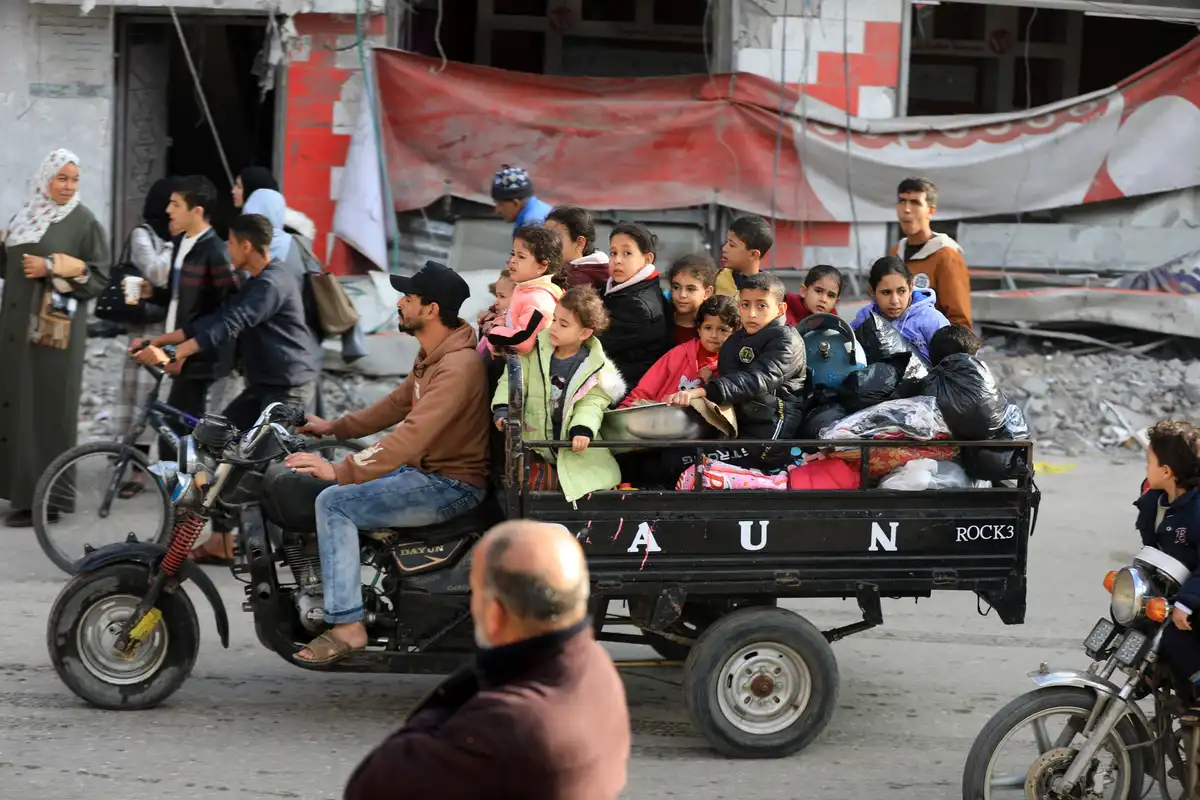
Israel continues to study a plan to displace the residents of the Gaza Strip by land, air, and sea, amid indications of its stalled implementation in the near term due to complex regional and international conditions.
The recent sessions of the Israeli cabinet discussed a large-scale plan to displace Palestinians through various means, by air, sea, and land, and it is expected that the plans will be presented to U.S. Secretary of State Marco Rubio during his visit to Israel.
According to writers, political analysts, and specialists, in separate conversations with "Y," the Israeli displacement plan faces significant obstacles, the most prominent of which is the resilience of the people of the Gaza Strip and their attachment to their land, in addition to Egypt's refusal to accept displacement and its rejection of opening the Rafah crossing, as well as the lack of international readiness to receive the displaced. All these factors make the implementation of the project on a large scale extremely difficult, even amid the ongoing Israeli bombardment and siege.
They believe that the current reality indicates that Israel may resort to partial displacement options or internal displacement, exploiting limited measures such as exit permits for patients and their family members, while the likelihood of implementing large-scale collective displacement remains low. With the escalation of Arab and international responses, especially after the aggression against Qatar and the bombing of Doha, it seems that the success of the project is primarily linked to the resilience of the Palestinians and support for regional and international positions rejecting forced displacement.
The displacement project faces significant obstacles at the present moment
Professor of Political Science and Israeli affairs specialist Dr. Suhail Diab confirms that the Israeli displacement project in the Gaza Strip will remain on the table despite stagnation in the near term, especially after the aggression against Doha and the failure of the assassination attempt there, amid the current international and regional conditions.
Diab clarifies that this stagnation does not mean the plan has fallen completely, but rather that it remains awaiting new opportunities, with the possibility that the West Bank may witness greater escalation in displacement projects in the upcoming period.
Diab asserts that the Israeli displacement project will remain in place, but it faces significant obstacles at the present moment, whether due to the Arab position, especially the Egyptian stance, or because of what happened in Qatar, which delays its implementation at least under current conditions.
Diab points out that the Israeli aggression against the Qatari capital Doha and the failure to assassinate Hamas leaders constituted a pivotal turning point in regional files, especially concerning the Gaza issue.
The failure of the assassination attempt – according to Diab – sparked extensive discussions within Israeli society about the feasibility of this adventure, while deepening the Israeli-American discussion and greatly embarrassing Washington in front of the world.
Diab explains that the United States was not absent from the details of the operation, but it was surprised by the extent of the international embarrassment, which prompted several countries to accelerate their steps towards demanding a two-state solution, which was reflected in the Security Council and the United Nations General Assembly.
Diab indicates that the rising level of international criticism of Israel has become more evident, although the official decisions issued by international institutions remain far less than the level of public speeches and positions.
Diab considers that this reflects the continued dominance of the United States over the rhythm of international decision-making and raises questions about what will happen later in the Gaza file after these developments.
The immediate American goal may be to temporarily appease Qatar
In this context, Diab points to U.S. Secretary of State Marco Rubio's visit to Israel, explaining that Washington is trying through it to absorb the new position towards Qatar and work to appease it without losing alignment with Israel in formulating a "new Middle East" project.
Diab notes that the United States seeks to separate the rebuilding of its relationship with Doha from maintaining its strategic partnership with Israel, in an attempt to buy time and pass diplomatic obligations at the

PALESTINE
Sun 14 Sep 2025 9:23 am - Jerusalem Time
The occupation of Gaza.. The final chapter before displacement
Tags
MORE FROM PALESTINE

Warnings of deteriorating health of Kamal Adwan Hospital director in solitary confinement

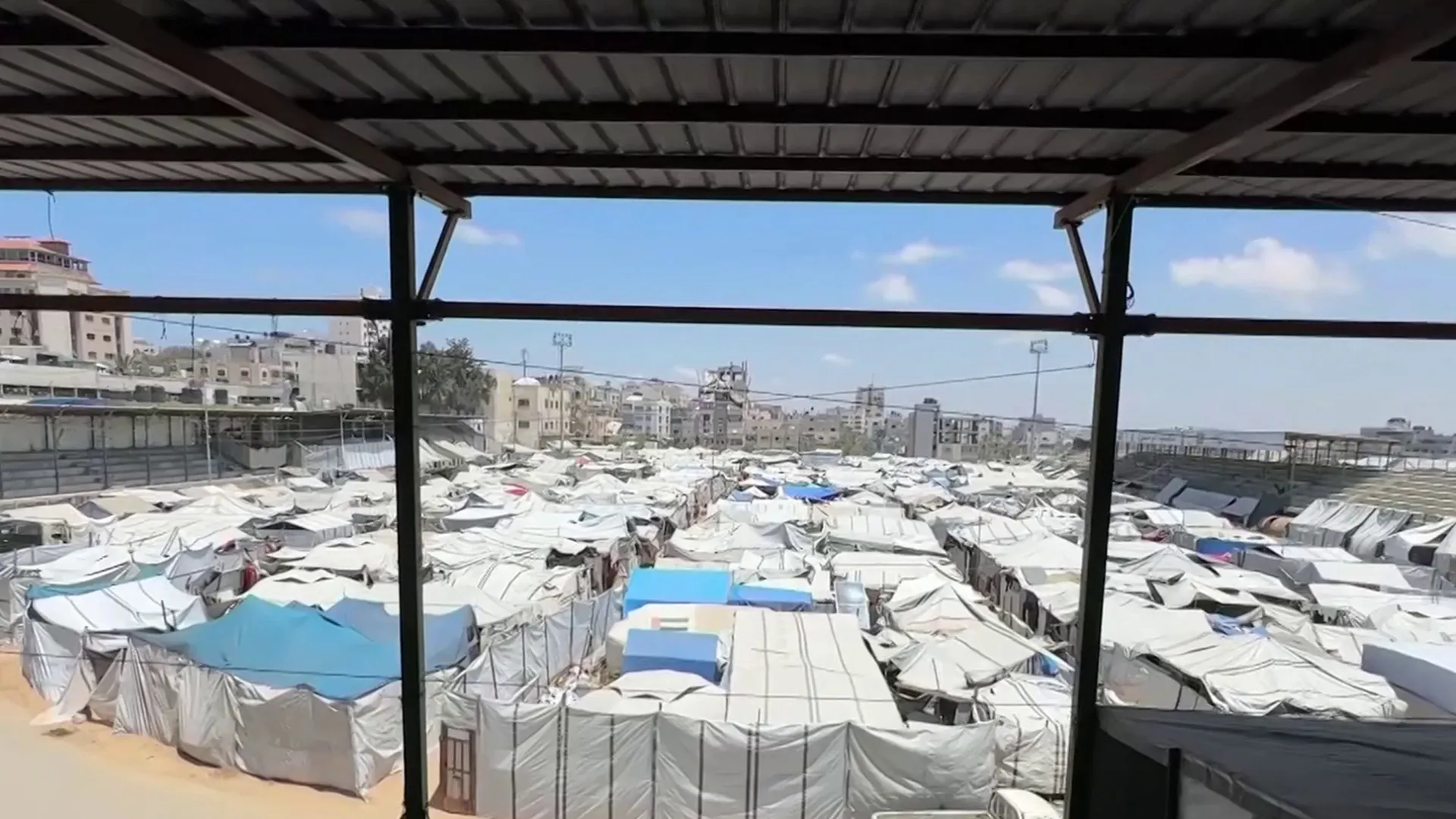
Warnings of a 'chickenpox' outbreak in Gaza displacement camps amid health system collapse

The family of Dr. Hussam Abu Safiya reveals details of his health condition after his first appearance in a year

Share your opinion
The occupation of Gaza.. The final chapter before displacement