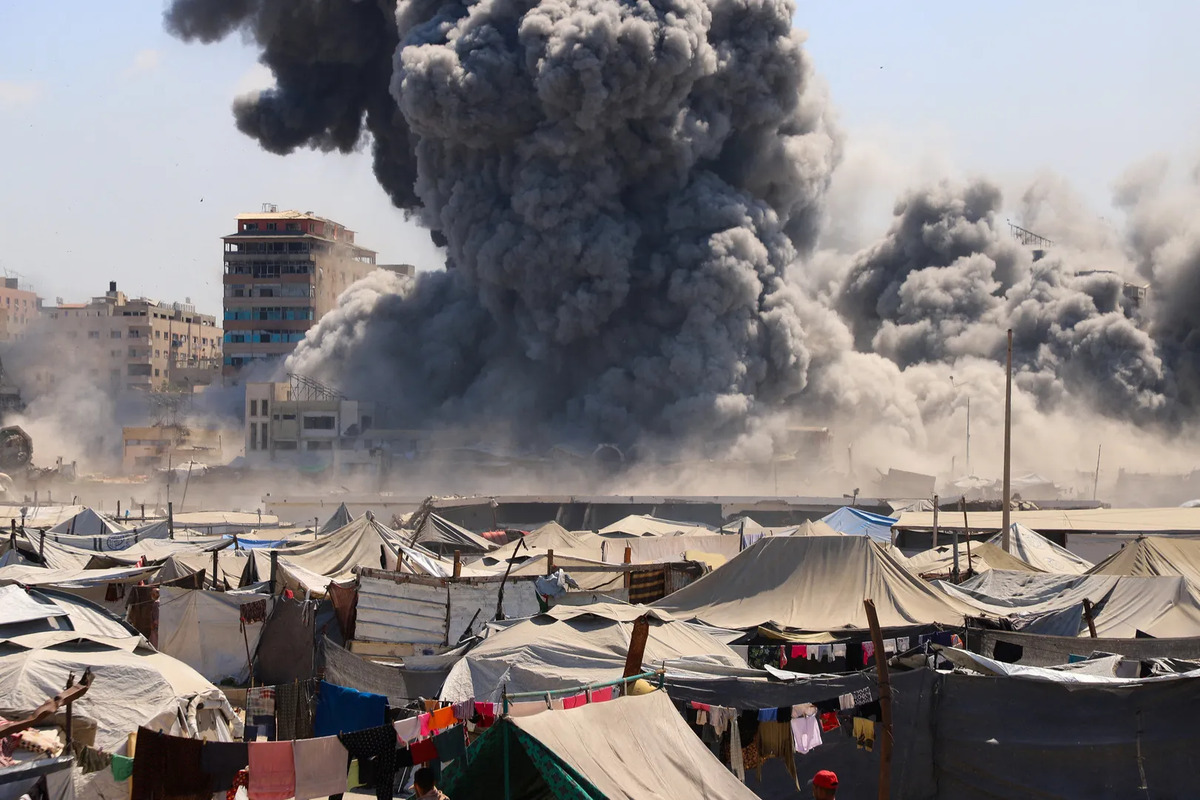







With the genocide and massacres of the Israeli occupation in Gaza, which have resulted in the martyrdom and injury of more than 100,000 Palestinians in the sector since October 7, 2023, Israel has effectively nullified all international treaties and dismissed all peace solutions, including the two-state solution, which was supposed to provide some stability in the region.
The current war has not merely been a military aggression; it has represented a strategic turning point, as the occupation has surpassed all humanitarian and diplomatic norms, and the idea of "just peace" has receded in favor of the logic of power and the complete negation of the other.
In effect, the war has practically annulled international treaties and laws, constituting a blatant violation of the Geneva Conventions and international humanitarian law, through the use of starvation as a weapon of war, which is completely prohibited (Fourth Geneva Convention, Article 54 of the Additional Protocol I), in addition to targeting civilians and civilian infrastructure (hospitals, schools, refugee camps), and refusing to implement the International Court of Justice's (2024) decisions that called for an end to the genocide.
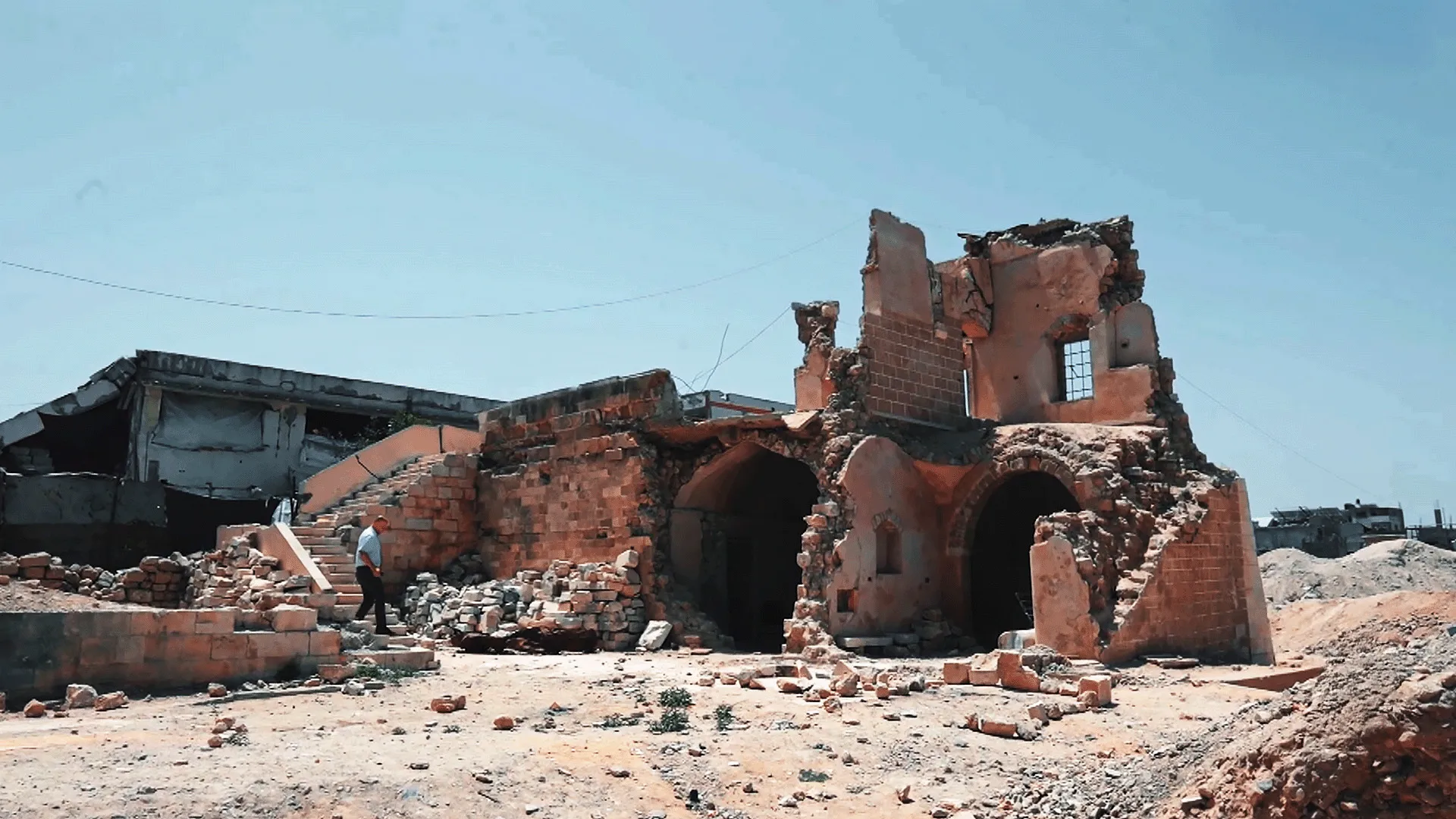
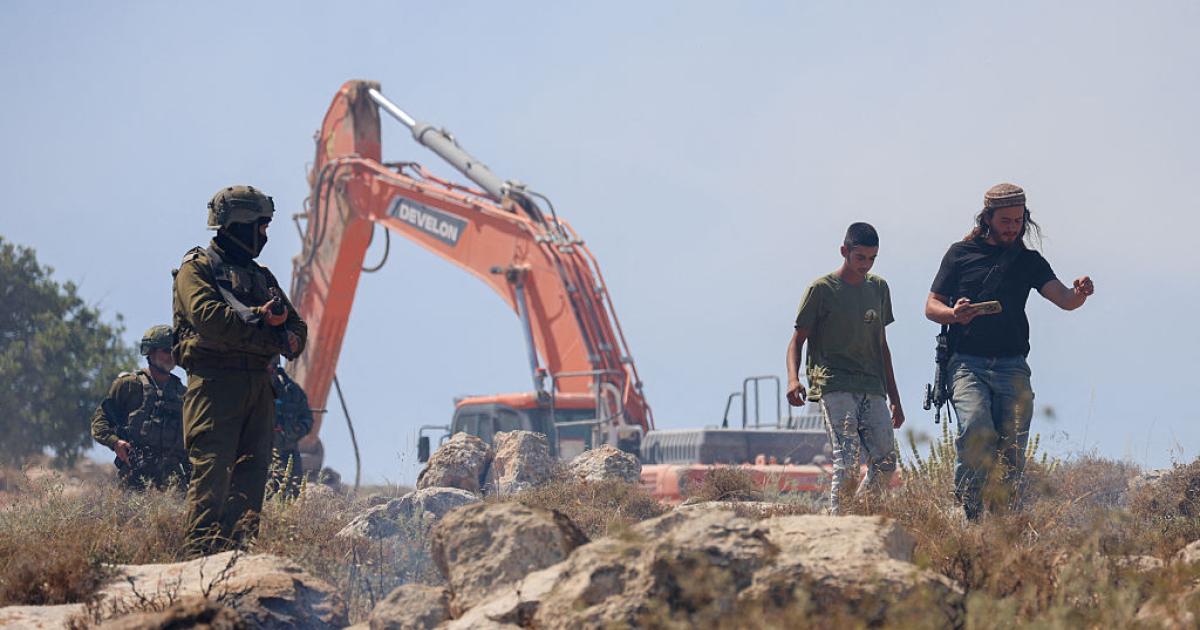
The American "veto" has been repeatedly used to obstruct ceasefire resolutions or to protect civilians. The talk of establishing a Palestinian state is no longer practically applicable after the widespread destruction of infrastructure in Gaza and the unprecedented settlement expansion in the West Bank and Jerusalem.
As for the statements of Israeli leaders, including Prime Minister Benjamin Netanyahu, they have become public in rejecting the establishment of any independent Palestinian state, while the American administration, despite its public statements supporting the two-state solution, has not provided any practical mechanism for its implementation or imposed a timeline, and all regional and international initiatives, foremost among them the Arab Peace Initiative (2002), have also been excluded.
All these assaults, massacres, and destruction were gambled on by the occupation in hopes that the Palestinian people would abandon their rights, but displacement and forced migration do not in any way mean that the displaced Palestinian people will relinquish their rights. Experience has proven, over a century, the determination of the Palestinian people to continue their struggle and demand their rights.
Despite more than 77 years since the Nakba of the Palestinian people, and the successive waves of displacement, the latest of which is what is happening in Gaza since 2023, Palestinians have never relinquished their right to return, nor have they abandoned their demand for their legitimate rights.
Historical experience has shown that displacement, war, and siege have not and will not extinguish the Palestinian collective consciousness, and that the Palestinian refugee—wherever they are—has remained a bearer of their cause politically, culturally, and popularly, while attempts to assimilate into host societies have failed to end their national identity.
The diaspora and liberation movements have not been a state of stagnation or absence for the Palestinian diaspora; rather, it has been an active part of the Palestinian national project, even leading in crucial stages.
Despite displacement, refuge, and long suffering, the Palestinian diaspora has not been a burden on its cause; rather, it has been at the forefront of the national liberation movement, participating in shaping the contours of the struggle, and framing it intellectually and politically, making immense sacrifices for the dream of an independent Palestinian state with Jerusalem as its capital.
The diaspora has not shied away from sacrifice, having provided tens of thousands of martyrs among Palestinian refugees in Lebanon, Syria, and Jordan, while Palestinian cultural, media, and political creativity in exile has been a central tool in preserving the national narrative in the face of attempts at erasure and distortion.
History has proven that liberation movements, no matter how long they last and how great their sacrifices, ultimately prevail; peoples do not die, and rights are not erased by force, and collective will imposes itself, even if after a while.
The Palestinian struggle is no exception; rather, it is an extension of the experiences of free peoples who faced colonialism and tyranny with bare chests and unwavering resolve.
The Vietnamese revolution, which broke the might of the American empire, and the Algerian revolution, which expelled French occupation after 132 years of colonization, both affirm that victory belongs to the peoples, not to the occupier.
If Vietnam, Algeria, and others have triumphed, then Palestine—with its rich history, the justice of its cause, and the depth of its people's belonging—will not be an exception. Those who fight for their land, dignity, and rights cannot be defeated, even if conspired against by both near and far.
One cannot ignore the international solidarity movement that the current war has sparked, which is difficult for the occupation to bypass.
The horrific crimes have led to an unprecedented


Share your opinion
The war on Gaza.. and the massacre of peace