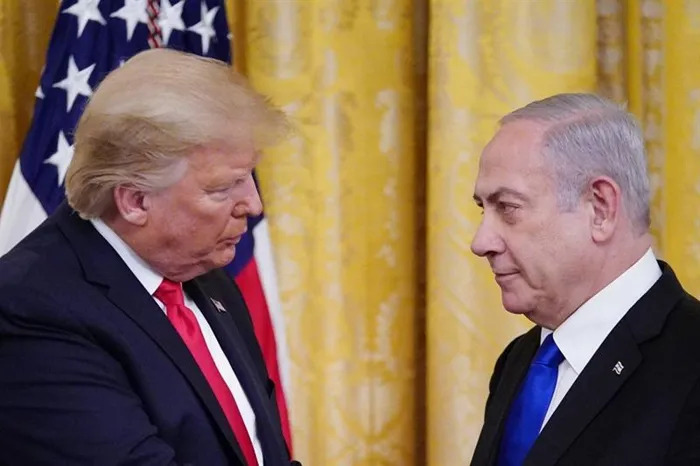






Dr. Ahmed Rafiq Awad: Trump's proposal is not to end the war but a new tool to legitimize it and demonize "Hamas," lacking any serious guarantees.
Suleiman Basharat: The proposal is an incomplete set of ideas representing a reproduction of Israeli conditions in the context of total surrender.
Dr. Dalia Arikat: Trump's proposal in its current form is nothing but a political maneuver to reproduce the unilateral American role.
Dr. Jamal Harfoush: The American president's proposal may lead to a ceasefire, but lasting peace is contingent on strict international guarantees.
Daoud Kuttab: Trump's record does not show a commitment to fulfilling promises or a desire to pressure Israel, making the proposal closer to a surrender formula.
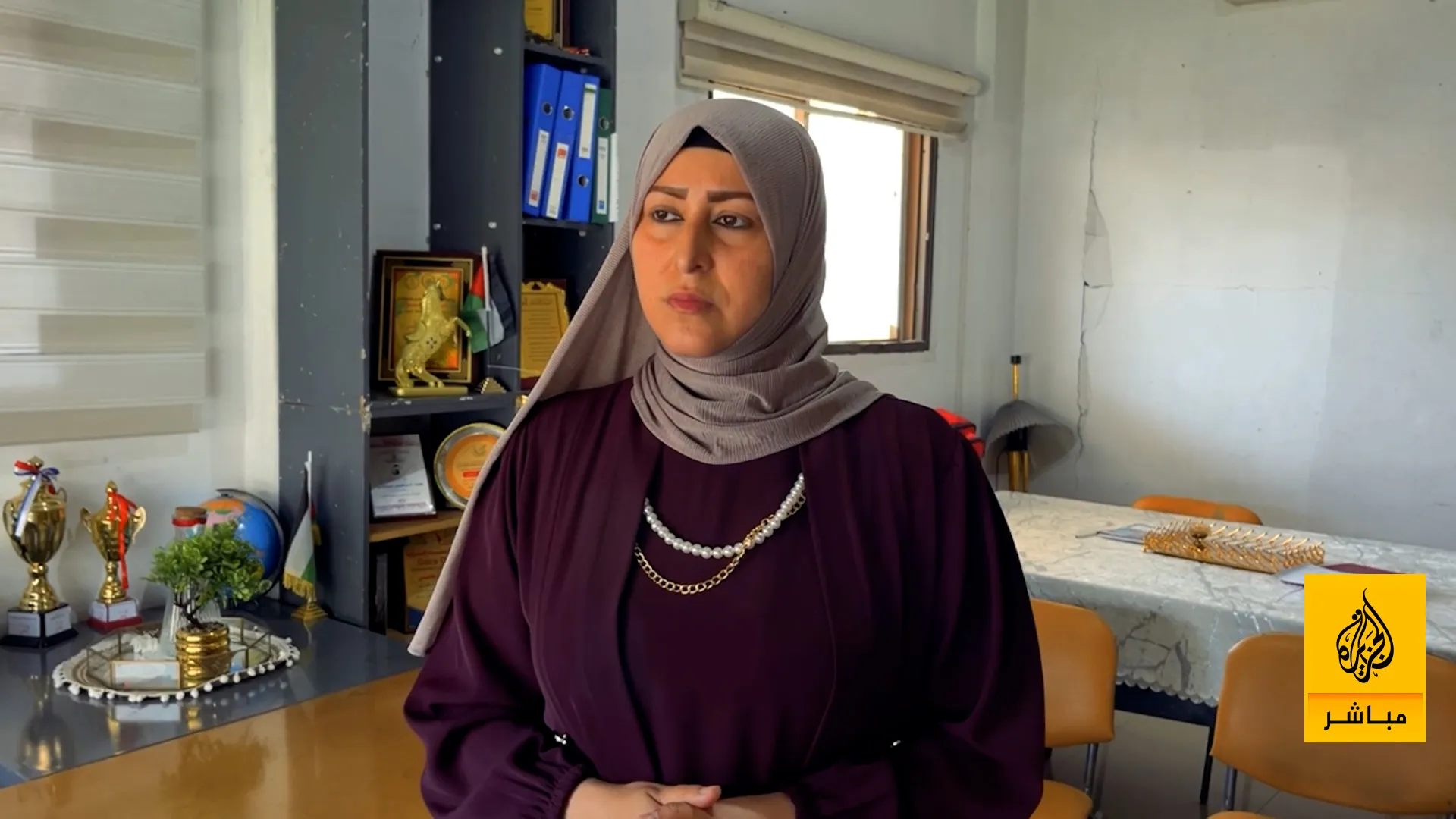
Dr. Irini Said: The initiatives proposed by Trump are politicized and for media consumption, reflecting his bias towards the Israeli narrative.
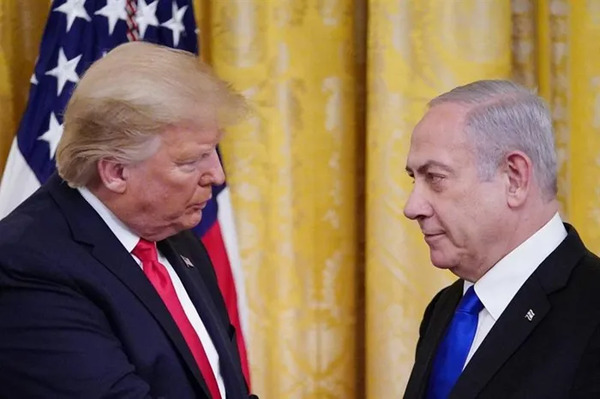
President Donald Trump's proposal to stop the war on the Gaza Strip reignites the discussion about the seriousness of the American role in managing the conflict, or whether it is closer to a political maneuver than an initiative to end the ongoing aggression and genocide.
According to Israeli Channel 12, Trump's proposal is based on concluding a comprehensive deal with the "Hamas" movement, which includes the release of all hostages and the bodies, totaling 48, on the first day in exchange for the release of hundreds of high-sentenced Palestinian prisoners and thousands of detainees.
The proposal stipulates the cessation of the "Gideon B" operation aimed at occupying the city of Gaza, and opening a direct negotiation track managed personally by Trump to end the war, with military operations frozen throughout the negotiation period, while "Hamas" is asked to rely on Trump's promises to end the war.
Writers, political analysts, and university professors, in separate conversations with "Y," believe that the proposal, which has been promoted as a step towards calm, lacks the basic guarantees related to a ceasefire, the entry of humanitarian aid, and addressing the vital issues related to the sector.
They point out that the essence of the proposal does not aim at finding a real settlement, but rather at attempting to portray the Palestinian resistance as if it rejects solutions, thus granting Israel legitimacy to continue its war, and that the exclusion of Arab and international parties from the proposal reflects Washington's desire to monopolize the management of the file and provide political cover for Israel against rising international criticism.
Given these determinants, writers and analysts see that the chances of the proposal's success appear extremely weak, as it ignores Palestinian rights and demands and keeps the military option open for the occupation.
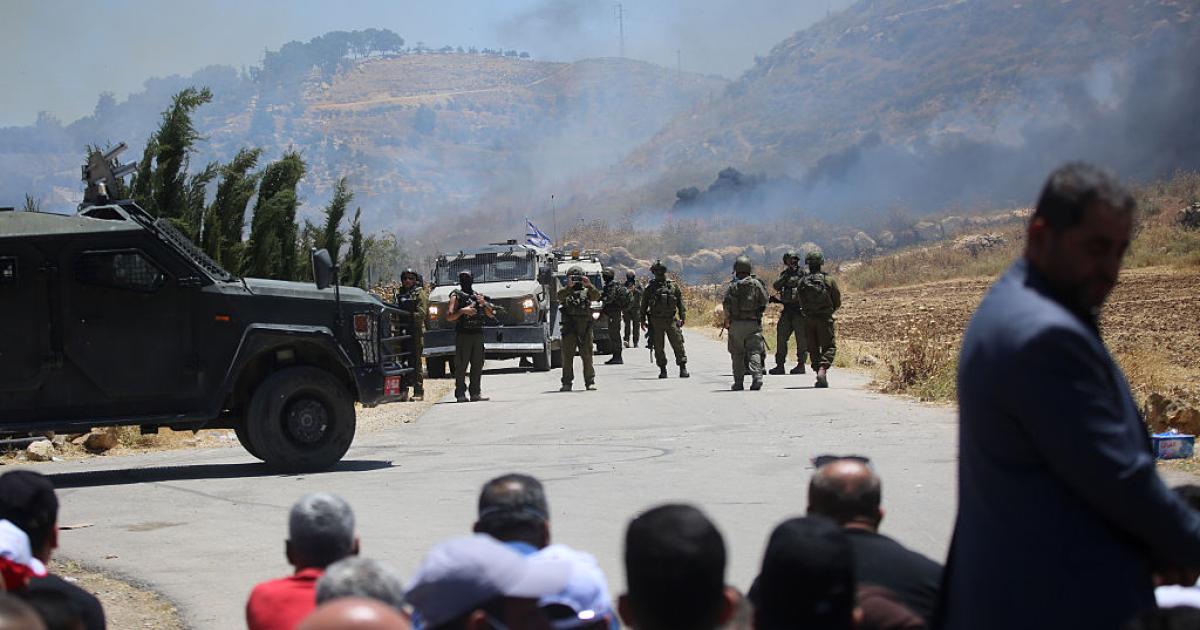
While the aggression on Gaza continues without a clear horizon, the potential scenarios, according to writers, analysts, and university professors, remain confined to either ongoing military escalation or a fragile temporary ceasefire.
Israel formulated the ideas and pushed the American administration to announce them.
The writer and political analyst Dr. Ahmed Rafiq Awad believes that the American proposal announced by President Donald Trump regarding stopping the war on Gaza is not a proposal to end the aggression or reach a political settlement, but rather a new tool to legitimize the Israeli war on the sector and demonize the "Hamas" movement, and that the proposal lacks any serious guarantees.
Awad clarifies that Israel is the one that formulated these ideas and pushed the American administration to announce them as an American proposal, while their essence does not relate to stopping the war.
He indicates that the main goal is to push the "Hamas" movement to reject the proposal, which would grant Israel legitimacy to continue its war on Gaza, portraying the movement as the one rejecting solutions; however, if "Hamas" agrees, it would practically mean a complete defeat for it and a victory for Israel and America, which is an unlikely scenario.
Awad emphasizes that the proposal lacks any serious guarantees, whether regarding stopping the war, the withdrawal of the occupation, or the entry of humanitarian aid, and even regarding the release of Palestinian prisoners.
He considers that conditioning the release of Israeli prisoners from the first day aims to strip "Hamas" of one of its most important negotiating cards, making the proposal a "deception and a political trap."
Awad points out that "Hamas's" response to these proposals came conditioned on a ceasefire, the entry of aid, and the release of prisoners, which brought matters back to "square one" in the negotiation process.
Regarding upcoming scenarios, Awad clarifies that indicators suggest that Israel is proceeding with its military project in Gaza, which is based on destroying the sector and imposing surrender on the resistance, and even pushing towards the displacement of Palestinians if it can.
Any settlement with "Hamas" is a comprehensive defeat for Israel.
Awad believes that any settlement with "Hamas" represents a

PALESTINE
Wed 10 Sep 2025 9:44 am - Jerusalem Time
Trump's proposal.. a new political maneuver to deepen the genocide
Tags
MORE FROM PALESTINE




Share your opinion
Trump's proposal.. a new political maneuver to deepen the genocide