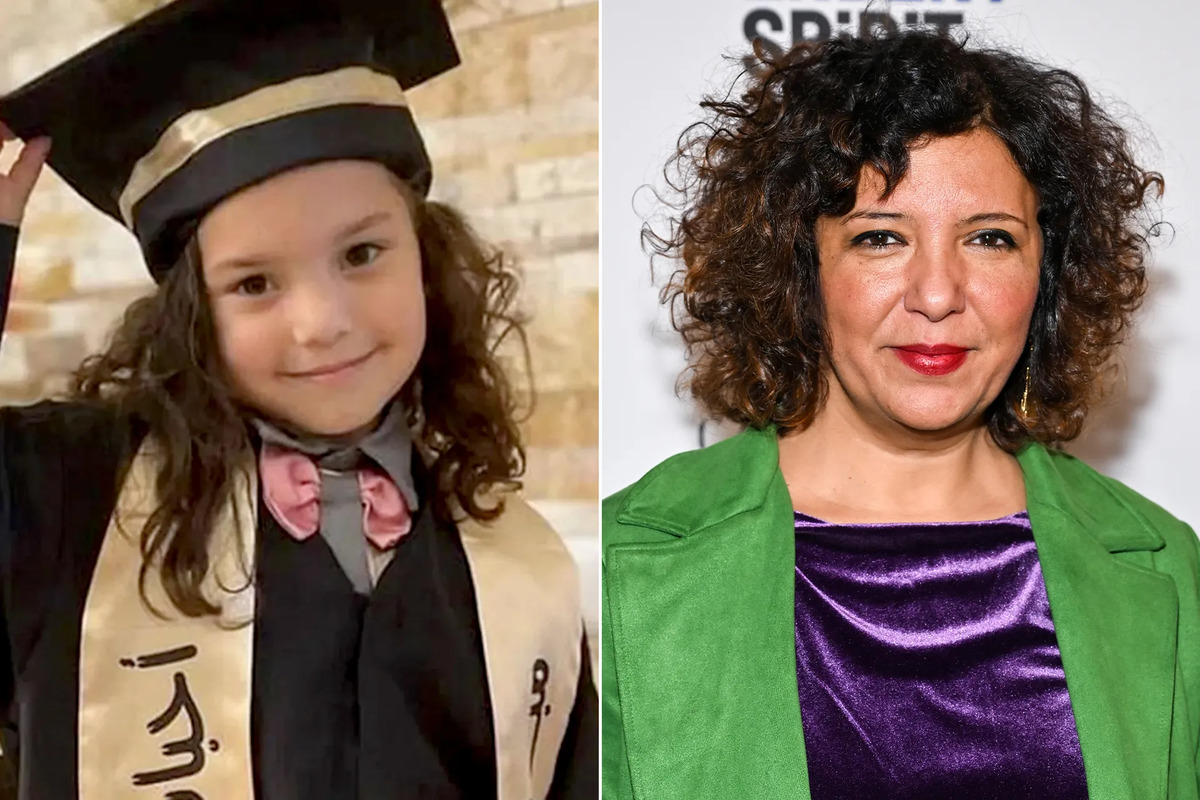







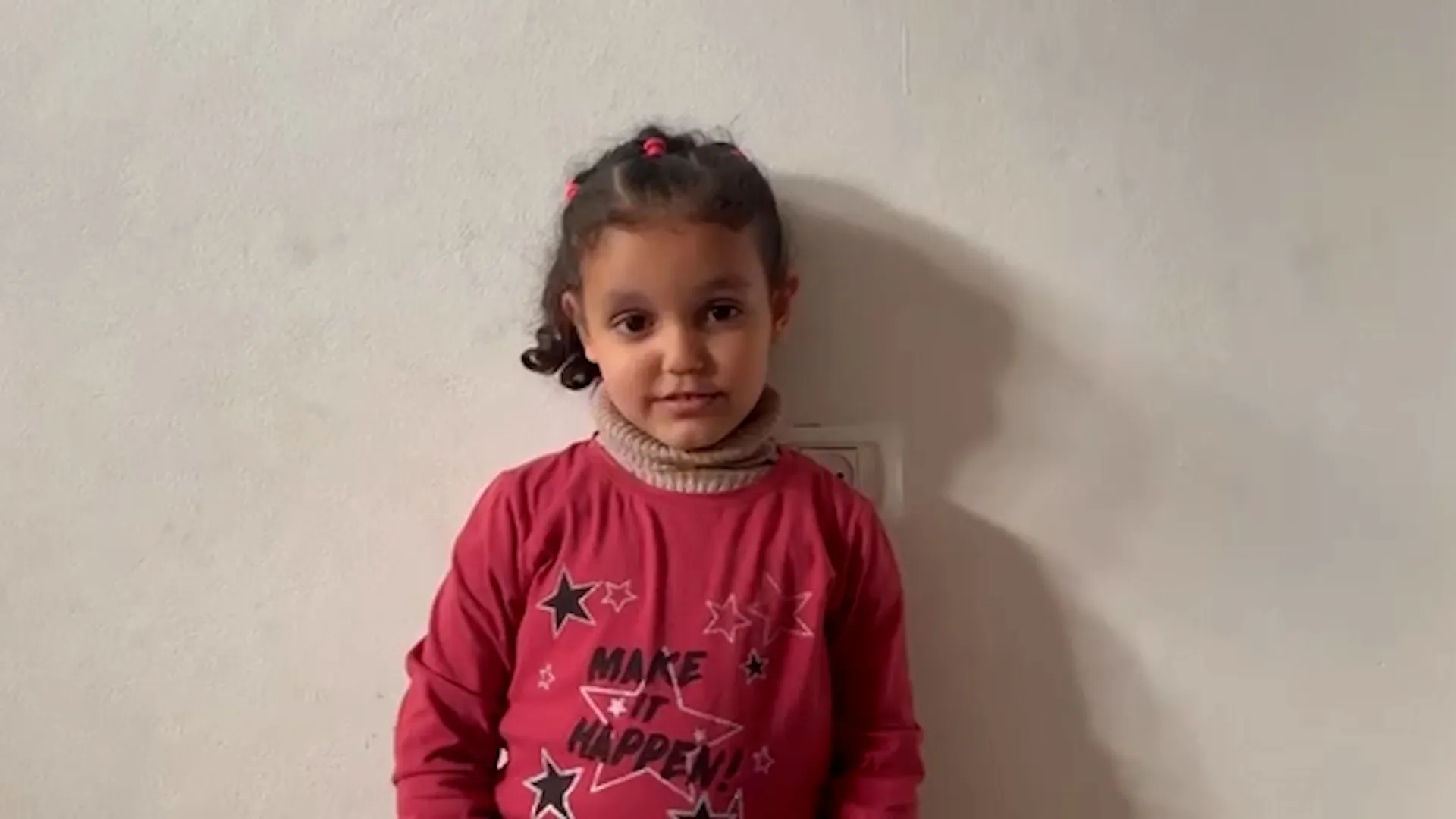
Coinciding with the screening of her film "The Voice of Hind Rajab" in the official competition at the 82nd Venice Film Festival, Tunisian director Kawther Ben Hania revealed that the motivation behind her work came after being deeply affected by the distress call made by the Palestinian girl Hind Rajab before she was martyred by the bullets of the Israeli occupation army.
Ben Hania explained in her interview with Hollywood Reporter that Hind's voice remained with her, prompting her to reach out to the Palestinian Red Crescent Society, which had published a clip of the call to obtain the full recording.
Kawther Ben Hania drew inspiration for the film from the last calls of the six-year-old Palestinian girl, who was trapped inside a car in Gaza on January 29 of last year after the Israeli occupation army shelled her family, resulting in the loss of most of her relatives.
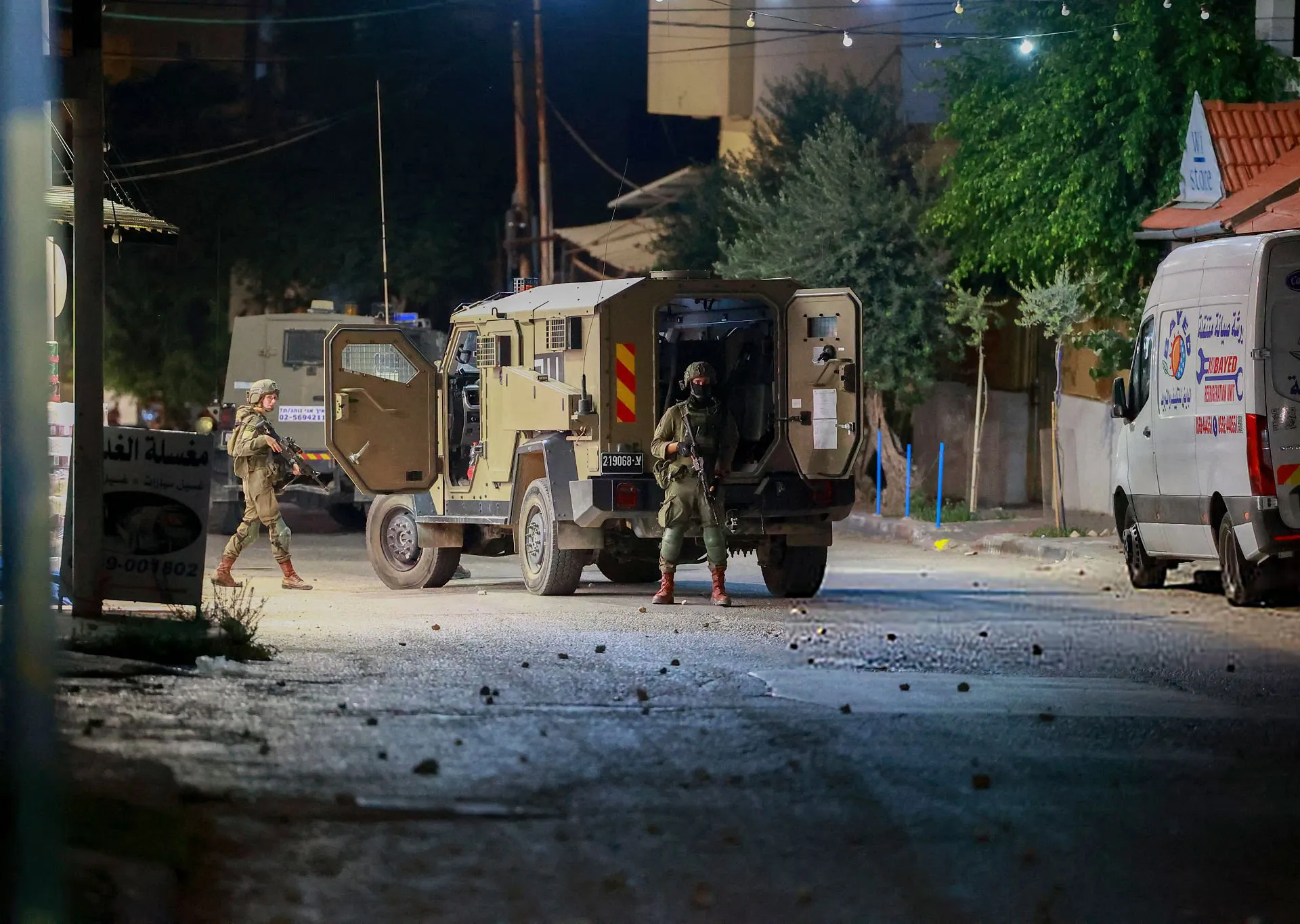
Hind remained on the line with the Palestinian Red Crescent crews for over an hour, pleading for her rescue, but the ambulance that moved towards her was also targeted, resulting in the martyrdom of the paramedics on board.
After Kawther Ben Hania was prevented from entering Gaza, she chose to convey her response through cinema, creating a work that blends documentary and drama, based on a 70-minute recording.
She contacted Hind's mother to confirm her desire to share the story with the world, before assigning the roles of the paramedics to Palestinian actors, while keeping the girl's voice as it is from the original recording.
Ben Hania clarifies that the film adhered closely to what happened, as it was based on the true sequence of events: recording the last moments of the relatives inside the car, followed by the uncle's message revealing that the six-year-old girl was still alive, leading to Hind's continuous pleas, culminating in the last call from the paramedic who was on his way to rescue her.
She emphasizes that the goal was to maintain the authenticity of the experience as it occurred, with minimal artistic intervention.
The director stated in her interview with Hollywood Reporter: "I was afraid of betraying her voice, and that the film would fail to honor her memory."
She continued: "This work revolves around a distress call that the world heard but no one responded to. It confronts not only the silence that met Hind's cry but also the widespread complicity, including international media, which merely watched without offering help to the voices calling from Gaza."
Pointing to the moral weight of depicting Hind's last moments, she affirmed the importance of rejecting silence and complicity, saying: "At least, with this film, I was not silenced."
Kawther Ben Hania believes that the most important step lies in watching the film itself, considering that her role was limited to its completion, while its reception remains in the hands of the audience.
For her, simply having the work find viewers is an achievement in itself.
In general, she sees that the perception of the Palestinian narrative is still surrounded by suspicion, which is an issue that goes beyond her film.
She believes that this situation must change, as it is absurd for the world to still need reminding that Palestinians are human beings, with feelings and sorrows when they lose their loved ones.
For her, repeating such obvious truths diminishes the scale of the tragedy.
In response to the possibility of opening an investigation into war crimes against the military officers responsible for the killings, she sees that the tragedy is deeper than the confines of a single film; while Hind's story is being told, the fall of victims in Gaza continues at numbers that make it difficult to even imagine the time that any serious investigation would require for each case.
She points out that Hind's case itself has not yet been opened, and the absence of journalists in the field makes reaching the truth nearly impossible.
Nevertheless, hope remains that a day will come when justice is achieved, as the world needs it.
While the film participates in the official competition of the Venice Film Festival, it will be screened tomorrow, Wednesday, September 3.
The National Center for Cinema and Image in Tunisia announced a few days ago the selection of the film to represent Tunisia in the Best International Film category at the upcoming Oscars.
The work is written and directed by Tunisian director Kawther Ben Hania and has received notable support from Hollywood stars including Brad Pitt, Joaquin Phoenix, and Rooney Mara, who joined as executive producers before its world premiere at the festival, which began on August 27.
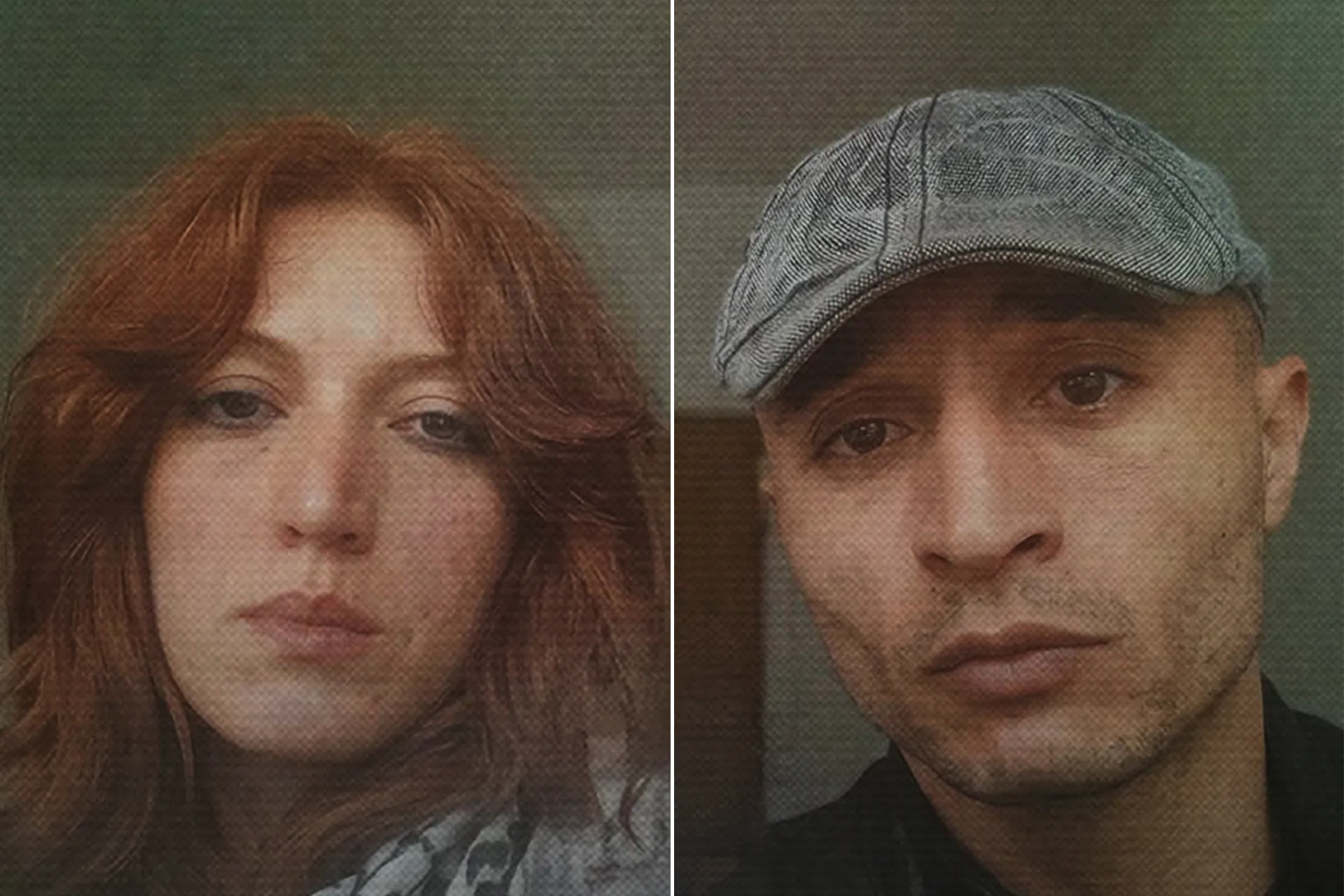
It stars Saja Al-Kilani, Moataz Malhis, Clara Khoury,
Share your opinion
The Voice of Hind Rajab" at the Oscars.. a cry from Gaza exposing the world's betrayal.