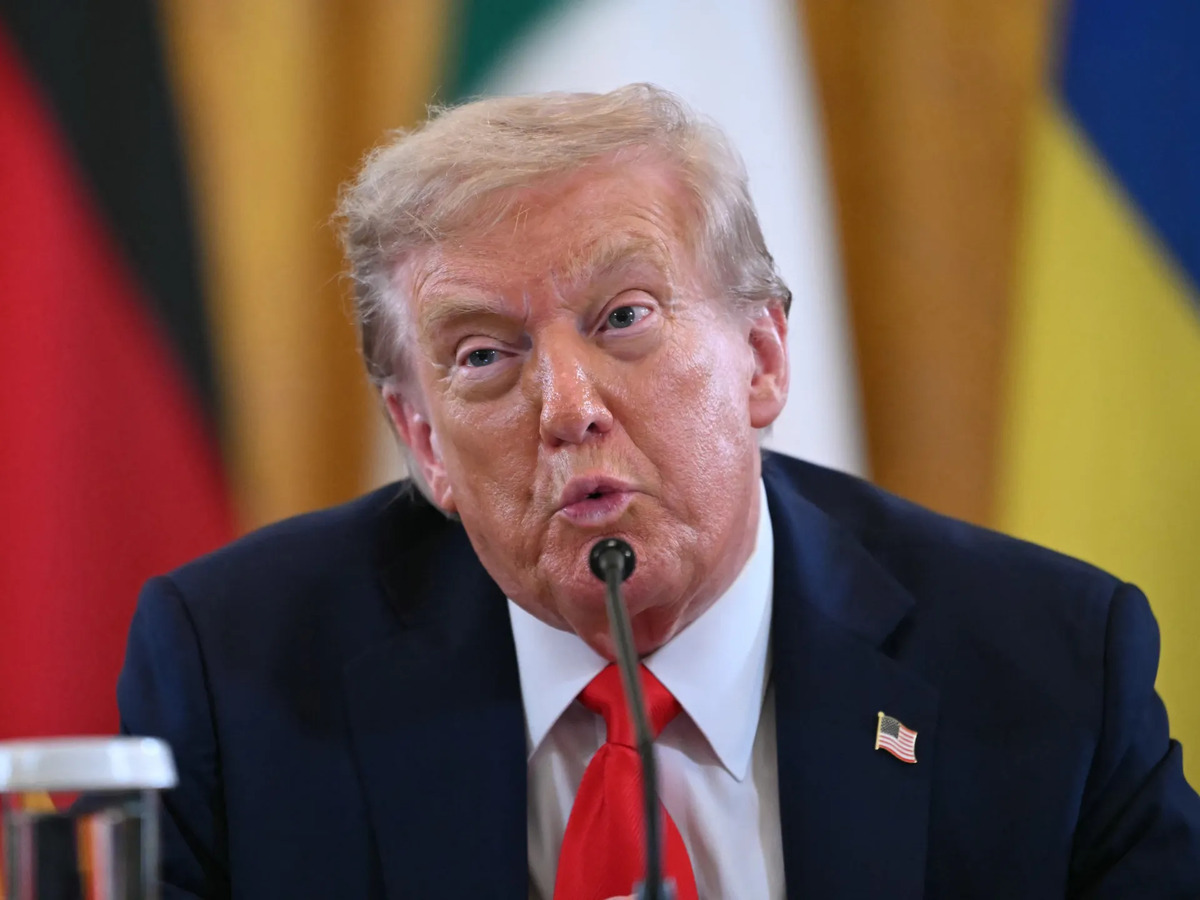







An opinion piece published by the Israeli newspaper Haaretz reviewed the deep contradictions in President Donald Trump's administration's approach to Gaza and the Middle East, describing his policies as "impulsive and contradictory opportunism."
The article noted that the meeting Trump held last week with his former advisor Jared Kushner and former British Prime Minister Tony Blair to discuss the "next day" in Gaza raises real questions: Is the meeting the beginning of serious efforts to end the war, or a continuation of Trump's contradictory approach?
The article pointed out that Trump's appointment of pro-settlement figures—such as U.S. Ambassador to Israel Mike Huckabee—represents an early signal of his adoption of a settlement agenda that obstructs peace efforts.
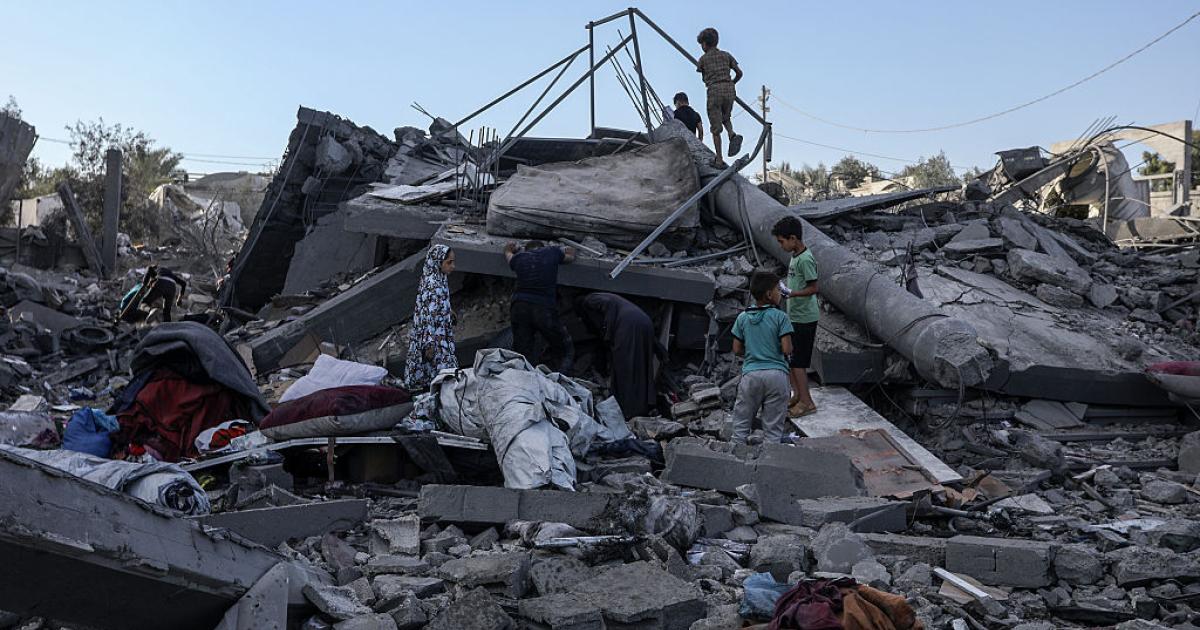
Larry Garber—who is a fellow at the J Street Policy Center and former director of the U.S. Agency for International Development mission in the West Bank and Gaza—reviewed the duality of U.S. positions, as Trump announced a plan for the reconstruction of the sector, but it included a contradictory clause of "voluntary displacement" of Palestinians.
Garber mentioned the contradiction in U.S. aid policy, as the U.S. Agency for International Development mission in the West Bank and Gaza was dismantled after three decades of work, yet the U.S. embassy simultaneously established a "new aid coordination unit" that includes staff from the aforementioned agency.
The writer also highlighted the fluctuating relationship between Washington and the Palestinian Authority, as Washington last Friday revoked the visas of Palestinian President Mahmoud Abbas and 80 other Palestinian officials on the grounds of their failure to condemn the October 7 attacks.
In contrast, the article pointed to indicators of limited rapprochement between the Authority and Washington, including the Authority's participation last month in preparing the "New York Declaration," which included a clear condemnation of the attacks.
The writer reminded that the decision to revoke the visas came after Huckabee's meetings in July with officials from the Palestinian Authority and private sector leaders.
Trump's contradictory approach is manifested, according to the article, in that he "strongly criticizes" UN agencies and humanitarian organizations while seeking to coordinate with them to facilitate the operations of the Gaza humanitarian foundation imposed by the U.S. on the sector in cooperation with Israel.
The writer believes that this fluctuation in positions has led European countries, such as France and Britain, to announce their intention to recognize the State of Palestine in the United Nations General Assembly, especially in light of the absence of a clear U.S. vision to end the conflict or address its humanitarian consequences.
Garber confirmed that the nature of U.S. intervention in Gaza in the coming weeks will depend on the ability of European and Gulf countries to convince Trump that he has a historic opportunity to reshape the Middle East, while providing security and financial guarantees for reconstruction efforts.
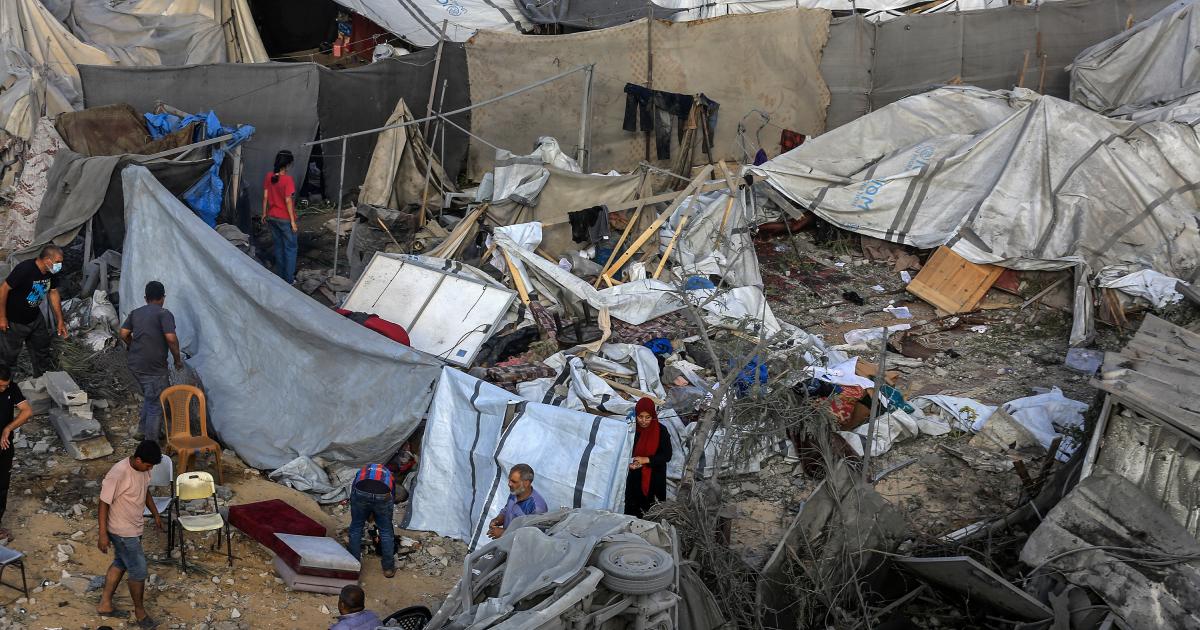
The writer warned that "delaying fateful decisions is no longer acceptable amid the Gaza disaster and rising global anger," concluding that "partnership and cooperation require a level of stability and trust," urging Washington to adopt a "clear and coherent vision" towards Gaza before it is too late.
Delaying fateful decisions is no longer acceptable amid the Gaza disaster and rising global anger.

Share your opinion
Article in Haaretz: How do we understand Trump's contradictory actions towards Gaza?