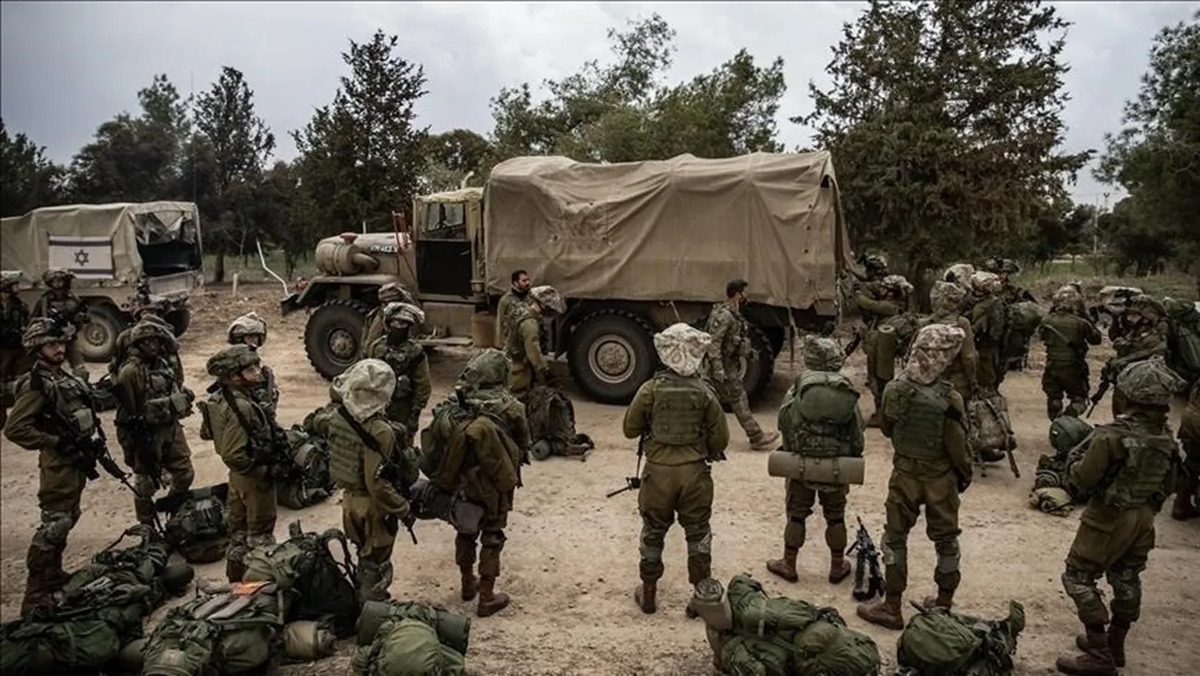







The genocide war waged by the occupying state against the Palestinian people in the besieged Gaza Strip has entered its most dangerous phases, as the new phase aims to exterminate the main population block in the city of Gaza and eliminate the existence of resistance. This situation requires the resistance to abandon narrow ideologies and adopt a national identity, thereby opening its ranks to accommodate the diverse tribal, civil, and political forces that agree on the goal of defending the survival of the Palestinian people.
It seems that the battle for Gaza is not merely a continuation of the war since October 2023, but rather the decisive battle that will determine the shape of the Palestinian people's right to self-determination and the establishment of their independent state. The victory of the Palestinian people depends on transforming the resistance into an inclusive political project that embraces all national forces believing in the right of Palestinians to a secure homeland.
Despite the difficult regional circumstances, the global forces opposing the genocide war have gained strength, representing a positive shift in international diplomacy. The transformation of global public opinion against the genocide war is a direct result of the steadfastness of the Palestinian resistance and reflects a change in how the world views the Palestinian conflict.
The first truth is that the world, with the exception of the occupying state and the United States, no longer sees the genocide war as a defensive war. Former Dutch Foreign Minister Kasper Veldkamp confirmed that the war is no longer justified and that Netanyahu's government has lost its legitimacy in the eyes of the world. This shift reflects the retreat of the mask that the occupying state had been hiding behind.
The second truth indicates that the Palestinian cause has become a local political issue in democratic countries, where it can influence governments and voter trends. The resistance and steadfastness of the Palestinian people have brought the Palestinian cause to a new level of political attention in countries like the Netherlands, France, and Britain.
The third truth relates to the decline in the influence of the anti-Semitism charge, as it has lost its credibility as a tool to deter opponents of the occupation policy. The widespread use of this charge against war opponents has drained it of its content, contributing to the strengthening of opposing reactions against the policies of the occupying government.
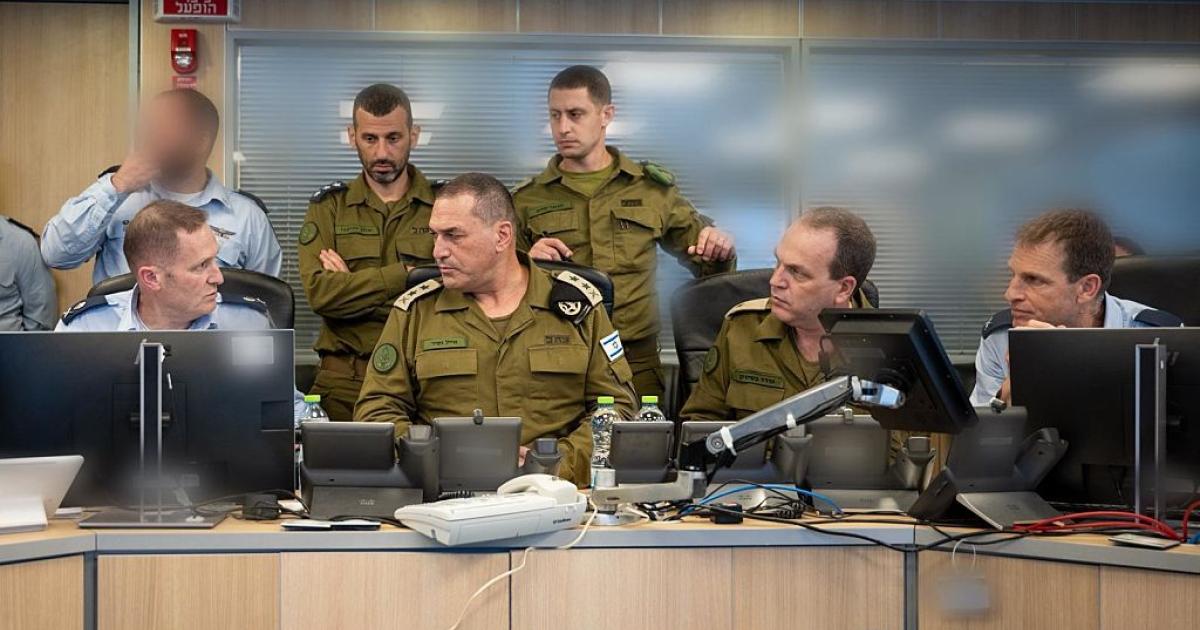
The fourth truth concerns the internal Israeli division, revealing disagreements between the political and military leadership. This division may affect the future situation in Gaza, where the influence of the Israeli interior could become an important factor in ending the war.
The fifth truth indicates that the Arab states active in Middle Eastern diplomacy are basing their positions on hostility towards Hamas, which has led to a weakening of the Arab governmental role. This truth calls for the necessity of removing the Palestinian cause from the cloak of Arab governmental guardianship.
The resistance and steadfastness of the Palestinian people remain the driving force behind the rise of the Palestinian rights status.



Share your opinion
The global fall of the legitimacy of the Israeli war... and changing the rules of the game in Gaza.