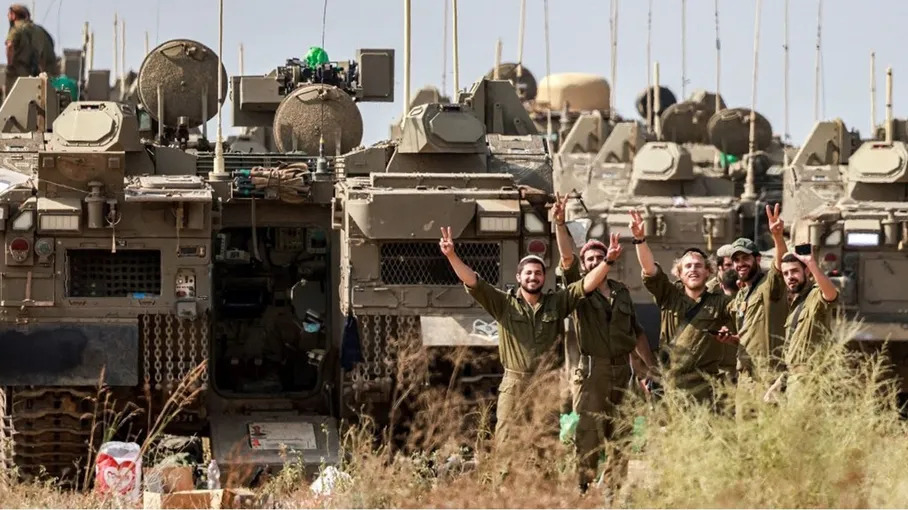







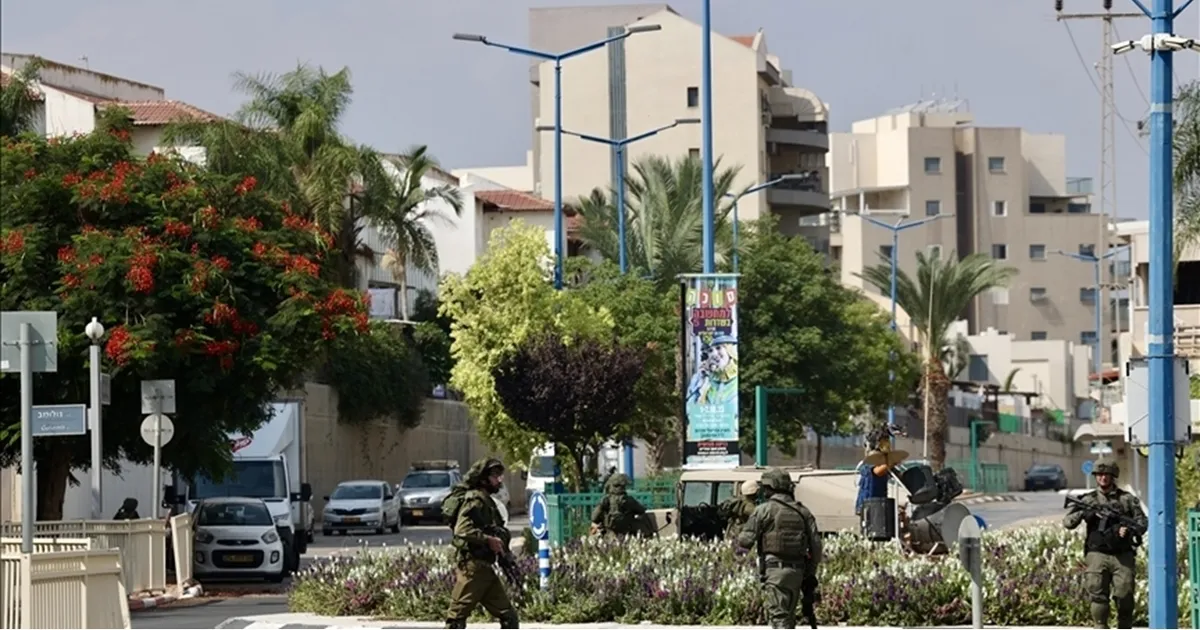
Reserve Major Tsvika Haimovich stated that the occupation state's bet on fully occupying the Gaza Strip is considered a dangerous option, and it seems that the decision is the last card in the hands of Netanyahu's government after more than 22 months since the war began. He pointed out that the Prime Minister's statements regarding moving to negotiations for the release of hostages and the Israeli cabinet's decision to control the city of Gaza have introduced a new phase of the war.
Haimovich added that Hamas is considered a stubborn negotiator, as it reads reality correctly and translates that into steps that allow it to control the agenda and improve its position. He also noted that France's announcement of its pursuit to recognize a Palestinian state and the increasing international pressure on the occupation state have made Hamas more rigid and insistent on its positions.
Haimovich spoke about the humanitarian aid that has entered the Gaza Strip after the systematic starvation campaign, noting that the ceasefire for humanitarian purposes for ten hours daily was implemented without Hamas having to make any concessions.
Regarding the exchange deal, Haimovich said that Hamas's acceptance of the mediators' proposal to release the hostages in stages carries more than one perspective. The threat of occupying Gaza may have created pressure on it, or it may have agreed to the deal because it already knows that the occupation state will refuse.
He indicated that Netanyahu's government is convinced that the second option is correct, which is why it chose to delay its response to Hamas's agreement on the staged deal. He considered that starting the attack on Gaza could expedite the resolution of the matter.
Haimovich also pointed out the shift in Israeli public sentiment regarding the occupation of Gaza, as the plan to control the entire strip is presented similarly to controlling Beit Hanoun or even occupying Rafah, but the reality is completely different with its significant complexities.
He raised questions about how long it would take to control both upper and lower Gaza, pointing to the many branching and long tunnels. He also wondered about the hostages' ability to endure the conditions in which they are held.
Haimovich confirmed that the occupation state has never occupied a city the size of Gaza, even in the first Lebanon War in 1982, when the Israeli army only occupied West Beirut, which means that the occupation state has no idea how to manage this matter.
He also commented on the nature of the names chosen for the battles, noting that the name chosen for the Gaza occupation campaign indicates rigidity and causes confusion. He emphasized that the government still thinks in the same way, raising fears that the outcome will be the same.
He concluded by saying that he hopes the threat remains just a gesture that could force Hamas to concede in a way that ensures the release of the hostages and the end of the war.
Netanyahu's government faces significant challenges in occupying Gaza, and the reality is completely different with its significant complexities.

Share your opinion
Hebrew newspaper: Complete occupation of Gaza is a dangerous plan that Netanyahu's government does not realize the complexities of.