






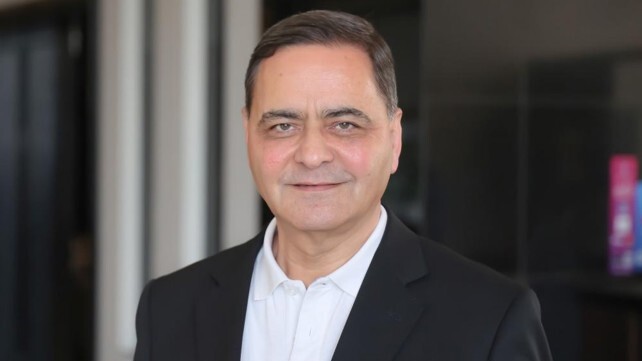
Dr. Jamal Harfoush: The statements of Halila may be a "political trial balloon" to gauge public opinion regarding a guardianship or non-governmental administration formula
Samir Anabtawi: Any proposal to manage the sector separately from the West Bank is a "strategic danger" that reinforces its transformation into an entity with independent management
Dr. Tamara Haddad: The next phase may witness competition among figures to manage Gaza driven by investment motives related to reconstruction
Firas Yaghi: Israel is trying to promote the term "governance" to enhance the division between the West Bank and Gaza and prevent the establishment of a Palestinian state
Dr. Amjad Bishkar: The sudden emergence of Halila's name in the media as "governor" of Gaza reflects arrangements outside the Palestinian legal framework
Adnan Al-Sabah: The absence of national unity is what opens the door to proposing names and figures from here and there to fill the void
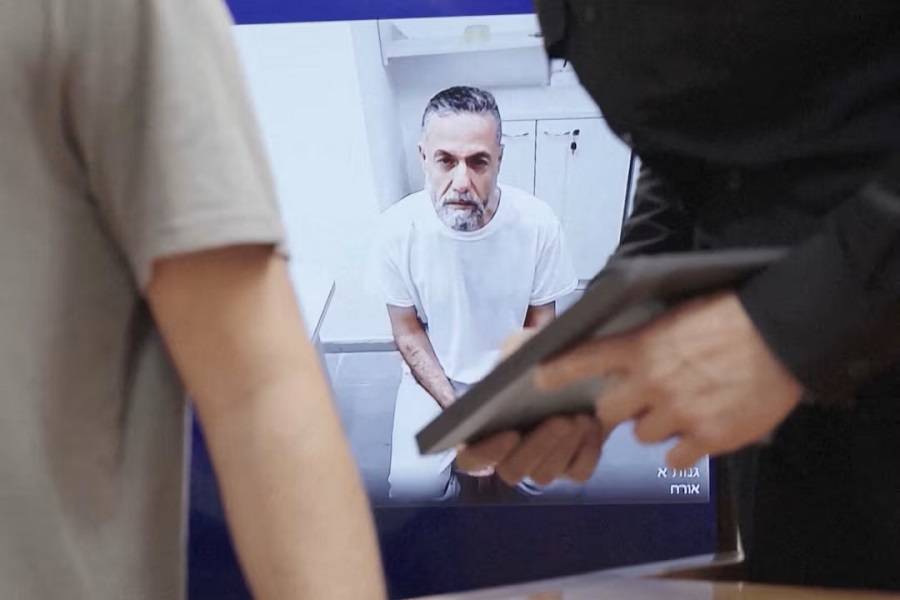
The debate continues regarding the proposal of businessman Samir Halila to manage the Gaza Strip after the war, which has sparked widespread reactions in Palestinian circles, amid official confirmations of rejecting any formula imposed from abroad.
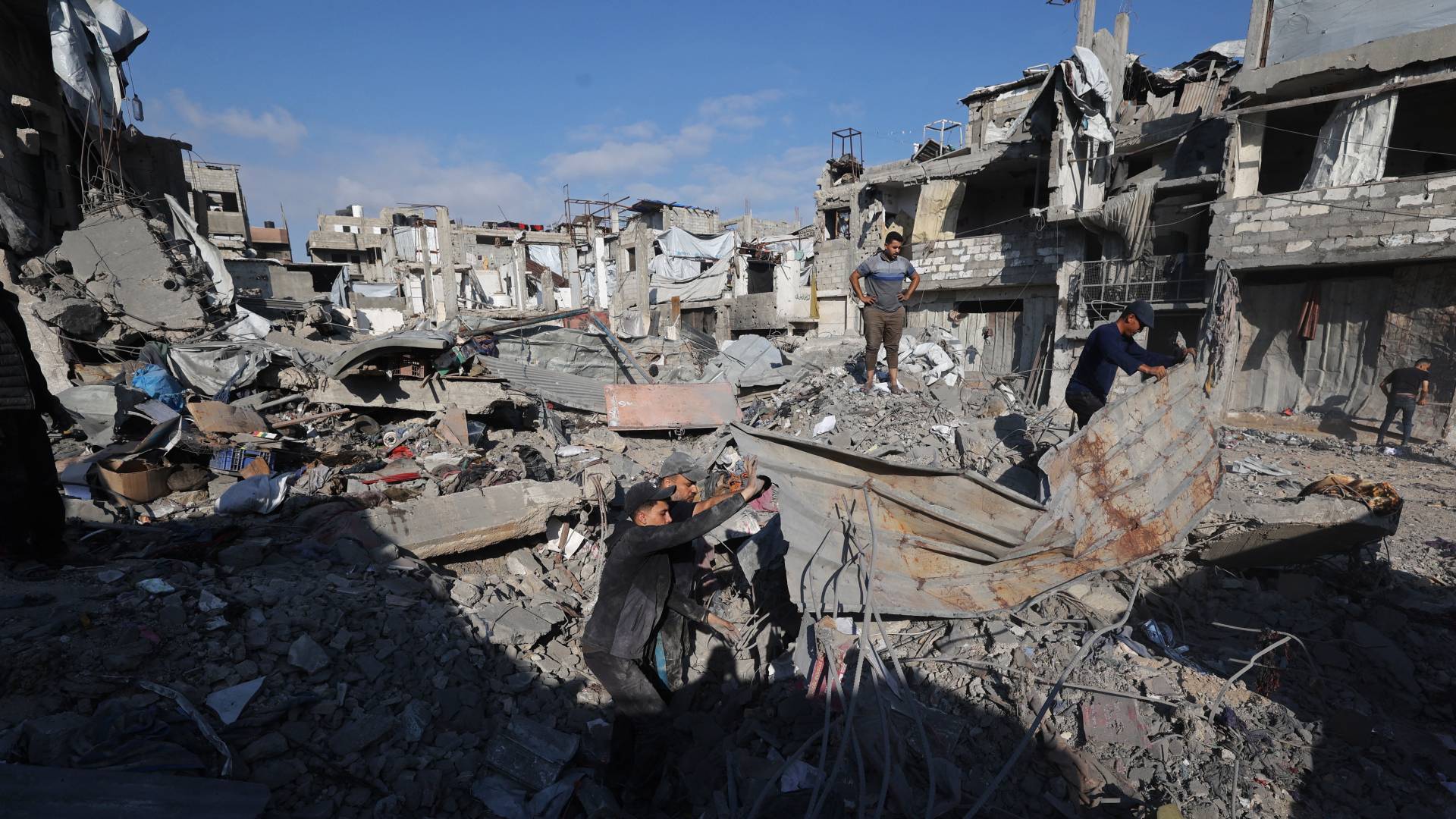
Despite Halila's denial of his desire to take on leadership independently, writers, political analysts, and university professors see, in separate conversations with "Y," that the mention of his name is considered a "political trial balloon" to gauge reactions regarding a non-governmental administration of the sector, raising fears of impacting Palestinian legitimacy and the unity of the political system.
Writers, analysts, and university professors affirm that any administration of Gaza must remain within the national framework, temporary and purpose-specific, focusing on service management and reconstruction without creating permanent political structures.
They believe that any attempt to appoint an external or independent governor, even if supported regionally or internationally, poses a danger to Palestinian unity and the right of the Palestinian people to self-determination, and that the priority now should be to stop the aggression, lift the siege, and begin reconstruction while preserving the sovereignty of national will.
They emphasize that any discussion about managing Gaza can only start through complete national consensus and that there should be official Palestinian institutions, ensuring unity between the Gaza Strip and the West Bank and preventing the imposition of any leadership outside the will of the people.
Narrative Conflict over "the Day After"
A professor of research methodologies and political studies at the Academic Research Center in Brazil, Dr. Jamal Harfoush, confirms that the ongoing debate about the idea of "governance" or "governor" in Gaza after the war falls within a narrative conflict over "the day after," between proposing names and figures for a transitional administration and the official Palestinian insistence on the exclusivity of authority for the Palestinian government within the PLO.
Harfoush emphasizes that the supreme legal reference, represented in the Palestinian Basic Law, does not include any concept of a "governor of Gaza," and that any executive entity established outside this framework is considered an act lacking internal legitimacy and contrary to the right of the Palestinian people to self-determination.
Three Basic Conditions for Any Legitimate Arrangements
He asserts that any legitimate arrangements for the post-war phase must meet three basic conditions: they must be of Palestinian origin and authority by a declared governmental or legislative decision and under judicial and parliamentary oversight, they must be temporary and purpose-specific, limited to managing services and reconstruction without creating permanent political engineering, and they must be based on clear national consensus and a specific timetable for elections, with guarantees to prevent entrenching internal division.
In his reading of businessman Samir Halila's statements and the controversy they have sparked, Harfoush points to three possible paths to understand the scene: the first is that Halila's statements serve as a "political trial balloon" to gauge public opinion regarding a guardianship or non-governmental administration, which he believes undermines the principle of accountability and threatens the unity of the constitutional system.
The second, according to Harfoush, is a scenario of "conditional transitional phase" through a Palestinian technocratic committee with a service-oriented nature operating under the existing governmental umbrella and a clear decision defining the duration, jurisdiction, and oversight, which he sees as the closest path to balance between the requirements of legitimacy and realistic considerations.
Harfoush confirms that the third path is the path of "internationalization or

Share your opinion
"Governor" of Gaza.. An attempt to test with live ammunition