







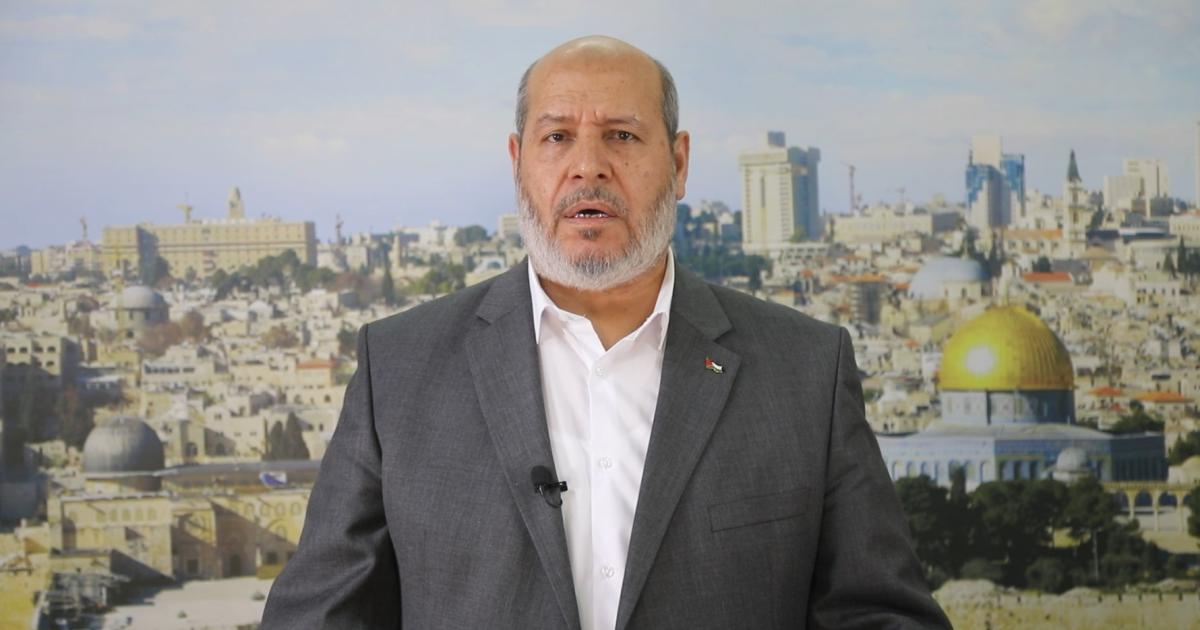
Issam Makhloul: Netanyahu uses escalation as a negotiating pressure tool and a means to achieve internal political gains and silence Israeli public opinion
Dr. Mekhemar Abu Saada: Netanyahu is seeking to remain in power and win the upcoming elections, and the killing of hostages may threaten his political future
Ismat Mansour: Netanyahu is continuing down the path he has paved to occupy what remains of the Gaza Strip, especially the city of Gaza
Mustafa Ibrahim: What is being planned is mass displacement and the liquidation of the Palestinian entity, and the region will face a major catastrophe.
Dr. Adnan Afandi: The occupation of the Gaza Strip will open the door to tragic scenarios, but there are still options that can be pursued to stem the bloodshed
Dr. Abdul Rabah Al-Anzi: If Gaza is completely occupied, the war objectives that Netanyahu claims to be pursuing will not be achieved
In a critical political moment for Israeli Prime Minister Benjamin Netanyahu, he is heading towards a complete occupation of the Gaza Strip, not only as a military plan but as an exit from his accumulated internal crises, amidst sharp divisions within the government and declining public trust in Israel.
Netanyahu seeks to reset the political scene through a comprehensive military escalation, presenting it to his audience as a strategic achievement that repairs his political image and restores cohesion to the ruling coalition, despite warnings from military and security leaders about the dangers of a complete occupation of the strip.
Analysts believe that a complete occupation of the Gaza Strip gives Netanyahu the opportunity to appear as a decisive leader in front of his opponents, activating pressure tools on the army and ministries. Netanyahu's military adventure seems to be his last bet to repair his government.
Significant division in Israeli society
Israeli affairs specialist Issam Makhloul from the Progress Center for Policies confirmed that Netanyahu will not be able to override the position of Chief of Staff Zamir, especially regarding maintaining forces that surround and besiege Gaza in a stable manner, at least at this stage, with limited operations rather than a comprehensive occupation from a military perspective, despite full security control over the strip.
He pointed out that there is still a relatively slim chance that Netanyahu will gamble everything due to his shaky political situation, but there are some indicators suggesting otherwise, such as Aryeh Deri, head of the Shas party, returning urgently from Switzerland to participate in a cabinet meeting, even though he is not a minister and his party has temporarily withdrawn from the government. Nevertheless, he participates because Netanyahu is very interested in his voice, which grants him internal credibility.
Makhloul continued: The position of Foreign Minister Gideon Sa'ar, who supports the Chief of Staff's position regarding the deal and opposes open war, and the Haredim are generally against the war as well.
He explained that there was a notable statement from Naftali Bennett a day earlier in the newspaper "Israel Hayom," in which he indicated after returning from a nearly two-week visit to Washington that the U.S. administration has widely accepted him, especially from Trump’s financiers, such as Maria Medalson, who prefers him among the candidates for the premiership. He hinted at the possibility of Trump turning against Netanyahu soon, which could change things in the U.S., as the shift cannot occur solely from the Israeli side.
Makhloul described the visit of Weitkov, which many had pinned hopes on regarding the deal and ending the war, as disappointing, giving Netanyahu the opportunity to return to the rhetoric of escalation, especially after the American shift towards the idea of a comprehensive deal all at once, which has become the official Israeli position after Netanyahu adopted it. However, such a deal requires months and is not a matter of days.
Makhloul sees that there is Israeli pressure on the United States, in light of the positions of the Egyptian and Qatari mediators, who confirmed that the deal was mature or semi-mature, raising questions about why Israel withdrew and pressing towards the idea that the escalation could have been avoided.
He believes that the internal reality in Israel does not suggest the possibility of going to a war aimed at "demoralizing" the Palestinians, as there is a significant division in Israeli society and fear of the scale of human losses, especially with the Israeli army feeling psychologically and operationally drained, suffering from a lack of readiness and training. Therefore, it is difficult to expect a new, more brutal military push in the near days, as it requires an unusual mobilization of up to one hundred thousand soldiers, in addition
Share your opinion
The Occupation of Gaza: The Last Battle to Save Netanyahu