






Dr. Abdul Majid Suwailem: Some European countries no longer see any strategic interest in unconditional support for Israel and consider that this support has harmed their political interests
Nizar Nazzal: The tsunami of recognition of the State of Palestine reflects a profound European shift, but it does not necessarily mean that the state is at the doorstep
Dr. Saad Nimer: The announcement by 15 countries of their intention to recognize the Palestinian state is merely a symbolic step aimed at evading decisive positions against Israel
Noor Awda: The State of Palestine on the 67 borders has been in place since 1988, and recognition should not be treated as a favor but as a legal political act that carries clear obligations
Dr. Nadia Sabra: Palestinians may be granted recognition, but they will not achieve a state unless the balance of power changes, and "a state that is seized is not like a state that is gifted"
Firas Yaghi: Unless Europe takes real measures against Israel, such as the sanctions previously imposed on South Africa, the dream of a Palestinian state will remain postponed
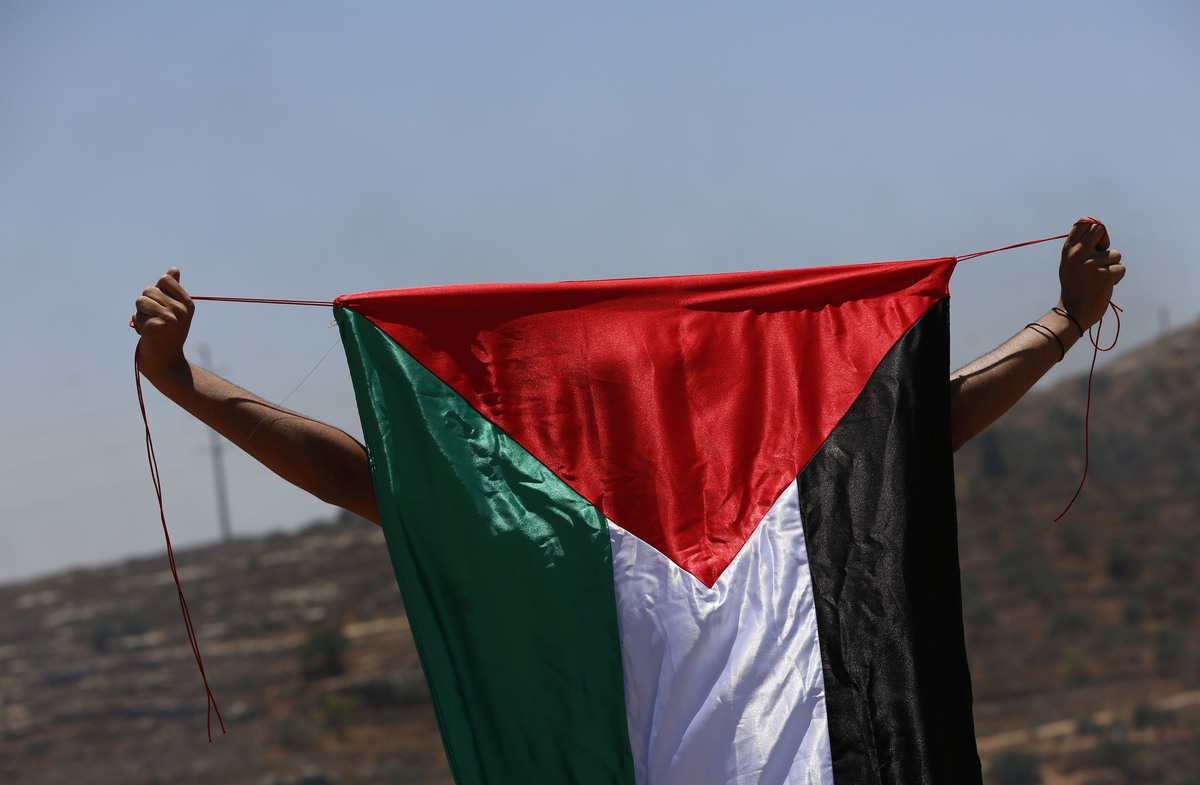
In an unprecedented political scene for decades, the world is witnessing a "tsunami" of successive European recognitions of the State of Palestine, which may reflect a fundamental change in the global political mood towards the Palestinian-Israeli conflict, coinciding with the announcement by about 15 countries of their intention to recognize Palestine on the borders of June 4, 1967. This shift is described by observers as the beginning of a fracture in traditional Western support for Israel and an expression of increasing popular pressures demanding justice for Palestinians, especially in light of the ongoing crimes in the Gaza Strip.
Writers, political analysts, specialists, and university professors, in separate conversations with "Y," believe that this accelerating wave of recognitions does not come in isolation from broader political contexts, the most prominent of which is the decline of European trust in American policy, and the rise of new political currents in Europe pushing for more independent positions in line with international law and human rights. Additionally, Israel's moral exposure before global public opinion, following the massacres in Gaza, has contributed to accelerating this shift, restoring momentum to the Palestinian cause internationally, even at the level of political discourse.
They point out that despite this diplomatic momentum, the fundamental question remains: Does this recognition lead to a real Palestinian state, or is it merely a symbolic step that lacks implementation tools? Despite the notable shift in the positions of some countries, structural obstacles remain, whether within Israel with laws preventing negotiations on the Palestinian state, or in the absence of binding international measures against the occupation towards practical steps to establish the Palestinian state. Nevertheless, some see recognition as an attempt to beautify international impotence, while others view it as a historic opportunity, but the future of the Palestinian state remains contingent on a balance of power that has not yet shifted.
Increasing popular pressures demanding justice for Palestinians
Political writer and analyst Dr. Abdul Majid Suwailem believes that the wave of European recognitions of the State of Palestine, the latest being the intention of about 15 countries, reflects disparities between countries that have succumbed to increasing popular pressures demanding justice for Palestinians, and others that are trying to formulate an independent position distancing themselves from the traditional policies of the United States, which has long supported Israel unconditionally.
Suwailem clarifies that some European countries no longer see any strategic interest in unconditional support for Israel, but rather consider that this support has harmed Europe’s political interests as a whole.
Suwailem emphasizes that this change reflects an increasing European sentiment that the United States is no longer a trustworthy partner, having turned its back on its allies and confined its alliances within narrow frameworks that serve the agenda of the American right, which has "suspicious" and intertwined relations with the Israeli right, based on racism, political savagery, and shared interests.
Suwailem highlights the character of American President Donald Trump, describing him as a "failed showman" who has not achieved any notable political success and possesses a "volatile personality, lacking in sobriety and wisdom."
Suwailem points out that Trump's humiliating treatment of some world leaders – including French President Emmanuel Macron – reflects a state of political and moral contempt rooted in his leadership of the United States.
Suwailem believes that this behavior has contributed to increasing European discontent with Washington and a decline in trust in its leadership of the world, prompting many countries to reconsider their alliances and foreign policies



Share your opinion
"The tsunami of recognition of the State of Palestine is sweeping the world."