






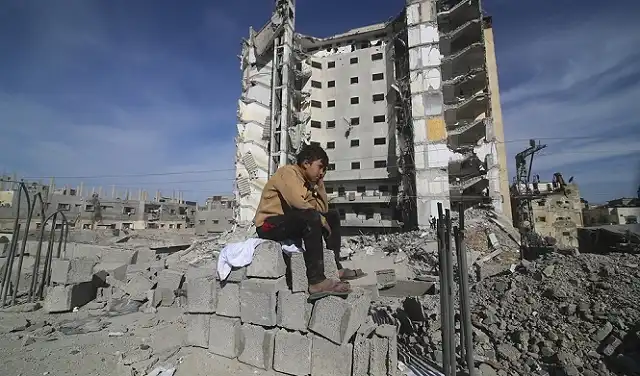
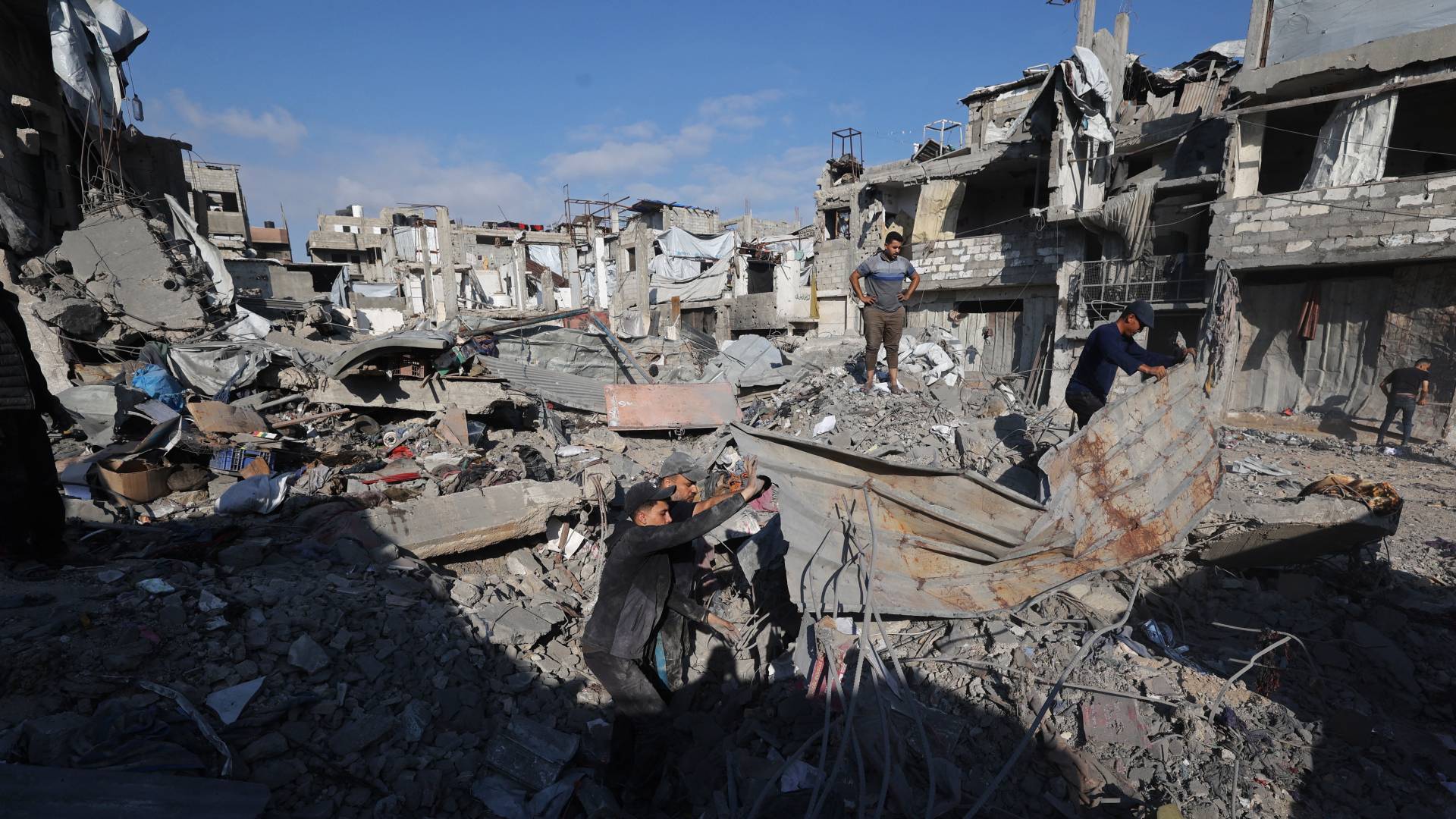
As part of the negotiations for a ceasefire and prisoner exchange in Gaza, Israel has agreed in principle to allow Qatar and other countries to begin pumping money and resources into the Strip during a potential truce, even before a permanent ceasefire is reached.
This came according to what Yedioth Ahronoth reported on Thursday. According to the report, Hamas is demanding that this clause be included among the "guarantees," which, in its view, indicate a serious intent to end the war within the context of the proposed agreement.
Israel insists that Qatar should not be the sole party responsible for funding the reconstruction, but that other countries should participate. Hamas believes the matter is a matter of principle, aimed at sending a clear message to the people of Gaza that the war is over.
This issue was also raised during meetings held by the Qatari delegation in Washington, coinciding with Israeli Prime Minister Benjamin Netanyahu's visit, in an attempt to advance negotiations. According to the report, countries in the region, including Saudi Arabia and the UAE, are refusing to commit to contributing to the reconstruction of Gaza until they receive a clear pledge from Israel to end the war.
Disagreements between the two sides persist regarding the Morag axis, from which Hamas is demanding a complete Israeli withdrawal. Meanwhile, Israel presented a new map on Tuesday that allows it to remain partially in this axis, according to the report, in what Israeli sources described as a "show of flexibility" in the negotiations.
While Palestinian sources announced yesterday that the negotiations remained stalled, other estimates suggested that the gaps had narrowed Tuesday evening after Israel presented a new proposal to the Qatari mediator regarding the deployment of its forces in the Gaza Strip, particularly along the axis separating the Rafah area from the Strip.
Reuters quoted a senior Israeli official this morning as saying that "a ceasefire in Gaza could be achieved within a week or two," stressing that "it's not a matter of a day." He added that the two sides had agreed to a 60-day truce, during which Israel seeks to establish a permanent ceasefire that includes the disarmament of Hamas. He threatened, "If Hamas refuses, we will continue military operations."
About three months ago, Israeli Prime Minister Benjamin Netanyahu announced that the Israeli army had taken control of the Morag axis, which he described as "Philadelphi 2," located between Khan Yunis and Rafah in the southern Gaza Strip.
Israel announced its intention to establish a closed "humanitarian" zone south of this axis, on the ruins of Rafah, where large numbers of residents would be relocated. In this context, Israel emphasized its insistence on keeping the Morag axis under its control as part of any agreement.
The Israeli government seeks to maintain control of the corridor for the purpose of "screening and security screening" of the hundreds of thousands of Palestinians returning, voluntarily or by force, to the ruins of Rafah. It plans to set up military checkpoints, supervised by occupation soldiers, along the corridor to conduct checks.
Share your opinion
Israel agrees to begin pumping funds for Gaza reconstruction during a potential truce.