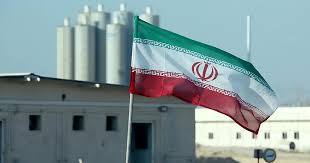







The Pentagon said Wednesday that US intelligence assessments indicate that strikes on Iranian nuclear sites would set back the country's nuclear program by two years.
"We've degraded their program for at least one to two years—that's what intelligence assessments within the Department of Defense indicate," Pentagon spokesman Sean Parnell said at a press briefing, adding later, "We think it's probably closer to two years."
On June 21, US B-2 bombers struck Iran's Tanzania and Fordow nuclear sites with 30,000-pound GBU-57 bunker-buster bombs, while a guided missile submarine struck the Isfahan nuclear site with Tomahawk cruise missiles.
Israel launched an air war on Iran, targeting Iranian nuclear sites, scientists, and senior military leaders on June 13, just as the United States was planning to resume the sixth round of talks with Iran, in what Israel claims is an attempt to end Iran's nuclear program.
Tehran has repeatedly asserted that its nuclear program is peaceful, a position documented by all US intelligence agencies.
The US operation was massive, involving more than 125 US aircraft, including stealth bombers, fighters, aerial refueling tankers, and a guided missile submarine.
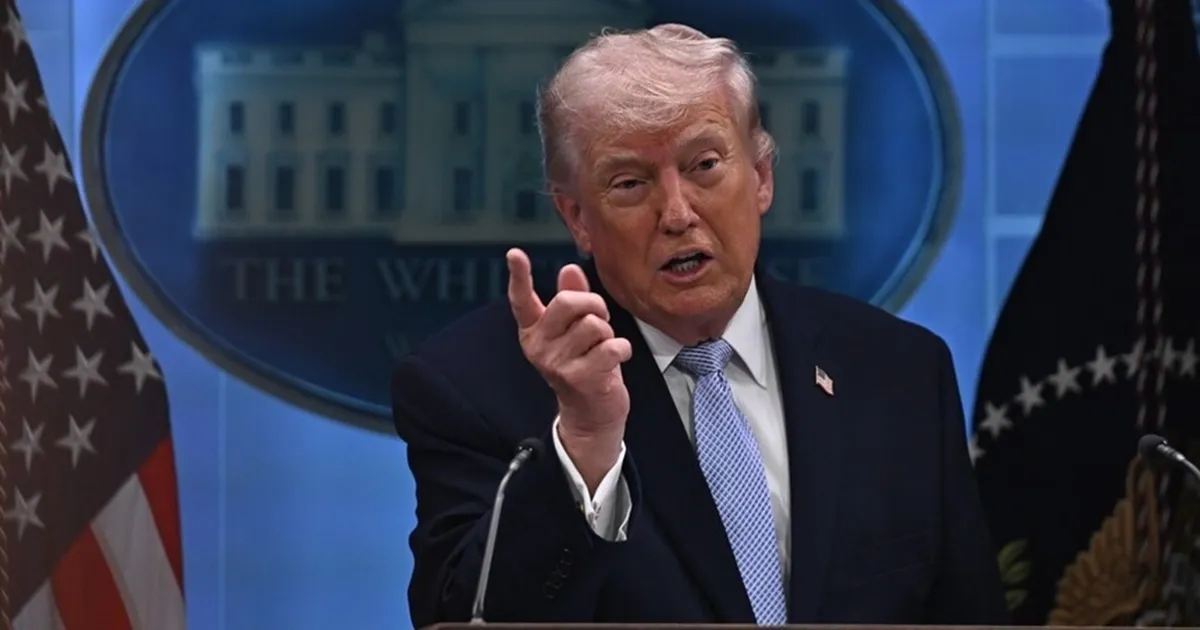
The Trump administration is closely monitoring the evolving US intelligence on the impact of the strikes, after Trump said almost immediately that Iran's program had been completely destroyed, language Parnell echoed in his press briefing on Wednesday (2/7/2025).
Experts say such findings often take weeks or more for US intelligence agencies to determine their impact.
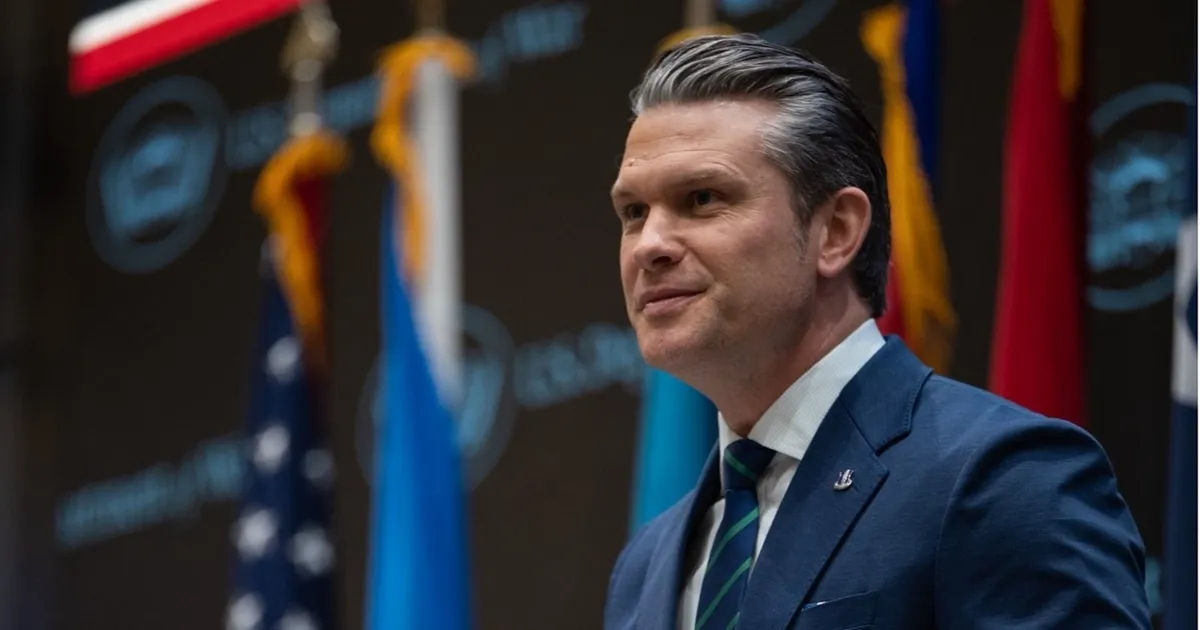
"All the intelligence we've seen leads us to believe that Iran's facilities — and particularly those facilities — have been completely destroyed," Parnell said.
The head of the International Atomic Energy Agency, Rafael Grossi, stated last Sunday that Iran could produce enriched uranium within a few months, raising doubts about the effectiveness of US strikes to destroy Tehran's nuclear program.
Many experts have also warned that Iran likely removed a stockpile of highly enriched uranium, nearly weapons-grade, from the deeply buried Fordow site prior to the strikes, and may have been able to hide it across dozens of locations.
US Defense Secretary Pete Hegseth stated last week that he was unaware of intelligence indicating that Iran had moved highly enriched uranium to protect itself from US strikes.
A preliminary assessment released by the Defense Intelligence Agency last week indicated that the strikes may have set back Iran's nuclear program for only months. However, Trump administration officials said this assessment was of low confidence and was overshadowed by intelligence showing that Iran's nuclear program had suffered significant damage.
Iranian Foreign Minister Abbas Araghchi, for his part, acknowledged that the US strikes on the Fordow nuclear site caused extensive damage. In an interview broadcast by CBS News on Tuesday, Araghchi said, "No one knows exactly what happened at Fordow. However, what we know so far is that the facilities were severely damaged." He added that while the targeted nuclear facilities may not be intact, "the technology and know-how are still there."
When asked whether Tehran would return to uranium enrichment, Araghchi said Tehran was "evaluating... and developing our policies."
"We also went through 12 days of imposed war, in addition to everything we did to this nuclear program. So, people will not easily back down from enrichment."
Iran insists its nuclear program is designed for civilian use only, but it has enriched uranium to 60% purity, which is above the levels needed for civilian use and far below the level needed for weapons, according to experts. It has also expanded its ballistic missile capabilities.
Israel, which according to all experts possesses nuclear bombs, claimed to have intelligence indicating that Tehran is taking active steps to build a nuclear bomb.
In a related development, Iran officially suspended its cooperation with the International Atomic Energy Agency (IAEA) on Wednesday, July 2, 2025, after President Masoud Pezeshkian signed the law passed by parliament last week. Tensions between Tehran and the UN agency have escalated over Israel's 12-day war on Iran, which targeted Iranian military and nuclear facilities and included the assassination of nuclear scientists. The United States joined in by launching unprecedented strikes on three major nuclear facilities in Iran.
Iran threatened to halt cooperation with the agency, accusing it of bias toward Western countries and providing justification for the Israeli airstrikes that began the day after the IAEA Board of Governors voted on a resolution declaring Iran non-compliant with its obligations under the Nuclear Non-Proliferation Treaty.
The Iranian parliament passed the law on June 25, the day after the ceasefire began. The law stipulates that any future IAEA inspection of Iranian nuclear sites will require the approval of Tehran's Supreme National Security Council. The law does not specify the procedural steps for this.
The Guardian Council, the body responsible for reviewing legislation in Iran, approved the draft law and referred it to the executive branch for implementation.
State television reported that Masoud Pezeshkian "ratified the law suspending cooperation with the International Atomic Energy Agency."
This is the second law passed by the Iranian parliament regarding cooperation with the International Atomic Energy Agency (IAEA). Iran significantly reduced its cooperation with international inspectors following its withdrawal from the Additional Protocol to the Treaty on the Non-Proliferation of Nuclear Weapons in February 2021. This step was implemented in accordance with the "Strategic Action to Respond to US Sanctions" law passed by parliament in December 2020.
President Trump withdrew from the nuclear agreement with Iran on May 12, 2018.

Share your opinion
The Pentagon assesses strikes on Iran's nuclear program as delaying it by two years.