







Washington - Saeed Erekat
The Commissioner-General of the United Nations Relief and Works Agency for Palestine Refugees (UNRWA), Philippe Lazzarini, condemned the "deadly" US-Israeli aid distribution mechanism in Gaza, where more than two million people are suffering from hunger across the besieged enclave.
In a post on X on Wednesday, Lazzarini noted that Palestinian lives have been "significantly devalued," with hundreds killed at aid distribution checkpoints.
"It has now become routine to shoot and kill desperate and hungry people while they try to get a little food from a company of mercenaries," he said.
The United Nations and aid organizations have accused the US- and Israeli-backed Gaza Humanitarian Foundation (GHF), which employs private American security and logistics workers, of militarizing humanitarian aid.
"It is a crippled, medieval, murderous system that deliberately harms people under the guise of 'humanitarian aid' with lies, deceit, and cruelty," the UNRWA chief added.
"Inviting people to starve to death is a war crime. Those responsible for this regime must be held accountable. This is a disgrace and a stain on our collective conscience."
Lazzarini urged a "re-establishment of humanitarian principles," adding that experts must be allowed into the Gaza Strip to provide assistance.
Human rights groups have accused the Israeli government of using starvation as a weapon of war, with Palestinians—including children—dying from complications of starvation.
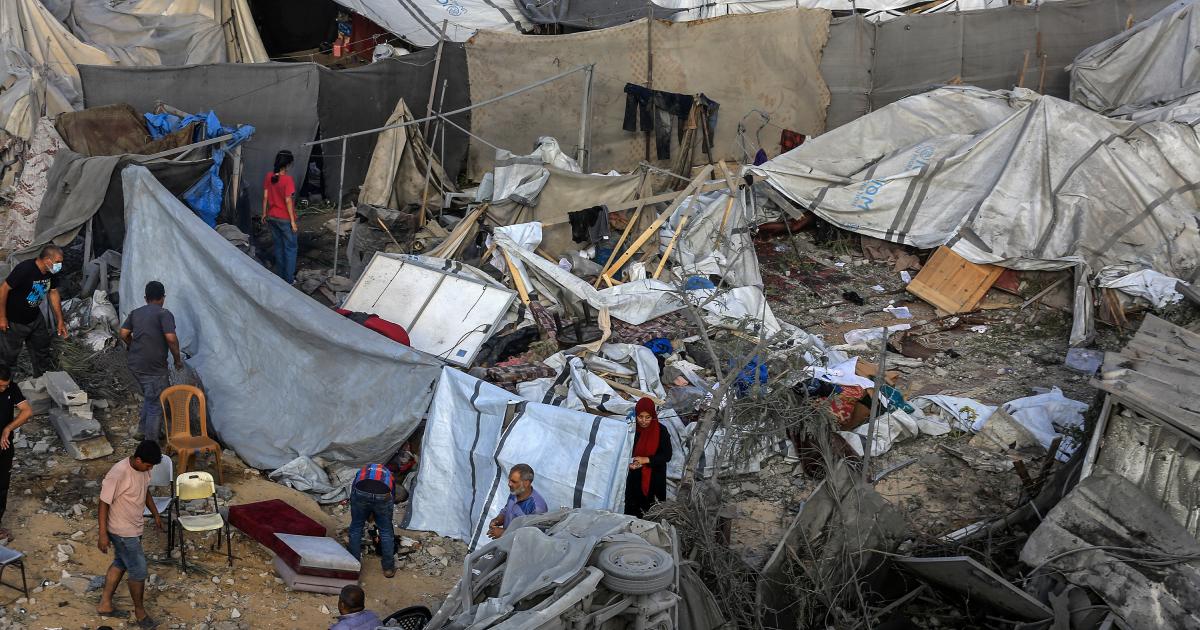
However, aid distribution sites have become a greater threat than famine, according to Gaza residents.
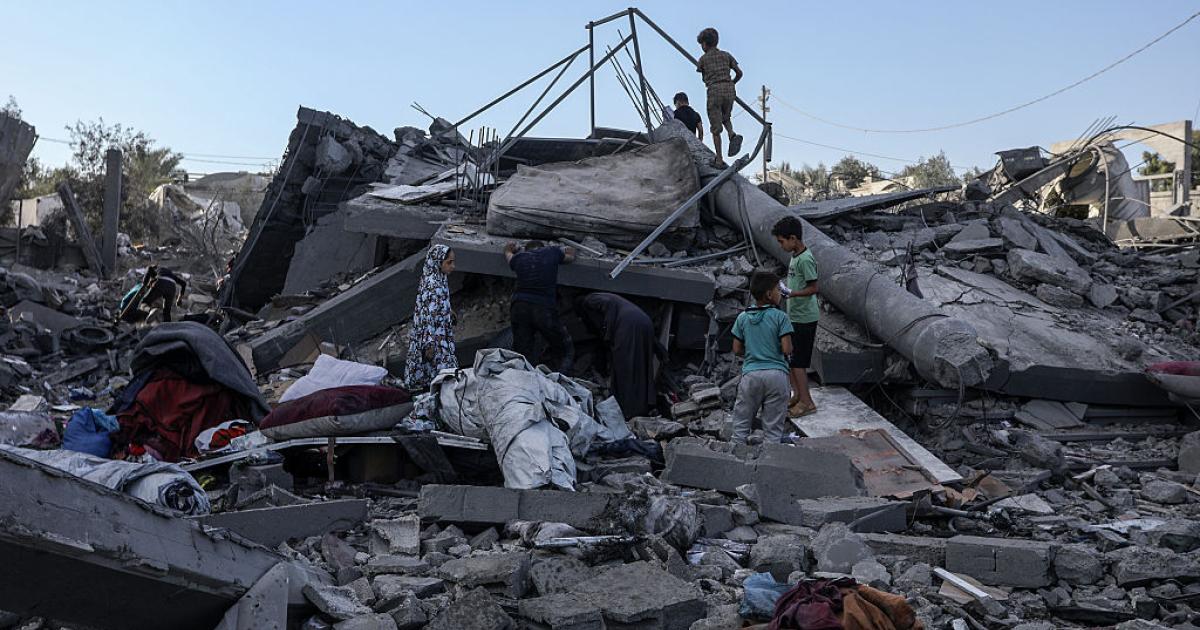
On Thursday, the Israeli occupation army committed new massacres against civilians in the Gaza Strip, resulting in the deaths of 75 Palestinians, 53 of them in Gaza City and the northern Gaza Strip, according to medical sources.
Medical sources said that 22 of the martyrs were among those waiting for aid, noting that Al-Awda and Al-Aqsa Martyrs hospitals received 16 martyrs and dozens of wounded as a result of the occupation army's firing of live bullets and grenades at those waiting for aid near a distribution center near the Netzarim axis.
Eyewitnesses reported that occupation forces stationed around the Netzarim axis opened machine gun fire on hundreds of young men who had gathered to wait for the opening of the American aid center.
Palestinian civilians go to get food, but they never know if they will return alive, and Batou describes the "World Humanitarian Relief Foundation" centers as an "execution site."
As the death toll of aid seekers continues to rise, the humanitarian situation in the Gaza Strip has worsened. UN Secretary-General António Guterres condemned Israel's continued killing of aid seekers in the Gaza Strip, warning that the needs of Palestinians in the besieged enclave "remain unmet."
UN spokesman Farhan Haq said in a press conference on Tuesday (June 25, 2017) that the UN Secretary-General "continues to call for an immediate and independent investigation into all these reports, and for those responsible to be held accountable."
Haq stressed that Israel "has clear obligations under international humanitarian law" to facilitate adequate humanitarian relief.
According to UNRWA, the health sector in the besieged Gaza Strip is in a "critical situation," with 45% of essential supplies running out.
The agency warned that "nearly a quarter of the remaining supply could run out within six weeks," adding that vital medicines and blood products have been almost completely depleted.
Meanwhile, the Ministry of Health in Gaza indicated that the Israeli military is preventing international organizations from providing fuel aid to hospitals, claiming that the areas suffering from fuel shortages fall within the red zones designated by Israel.
The Israeli occupation army ordered forced evacuations throughout the Gaza Strip, classifying the red areas as "dangerous combat zones."
The ministry warned that obstructing fuel aid "threatens to halt operations" at healthcare centers that rely on generators.
The ministry added that "the amount of fuel in hospitals is only enough for three days."
In a post earlier this week, WHO Director-General Tedros Adhanom Ghebreyesus said that for more than 100 days, no fuel has entered the Gaza Strip, with attempts to replenish stocks from red zones being rejected.
He warned that "this is pushing the health system to the brink of collapse."

Share your opinion
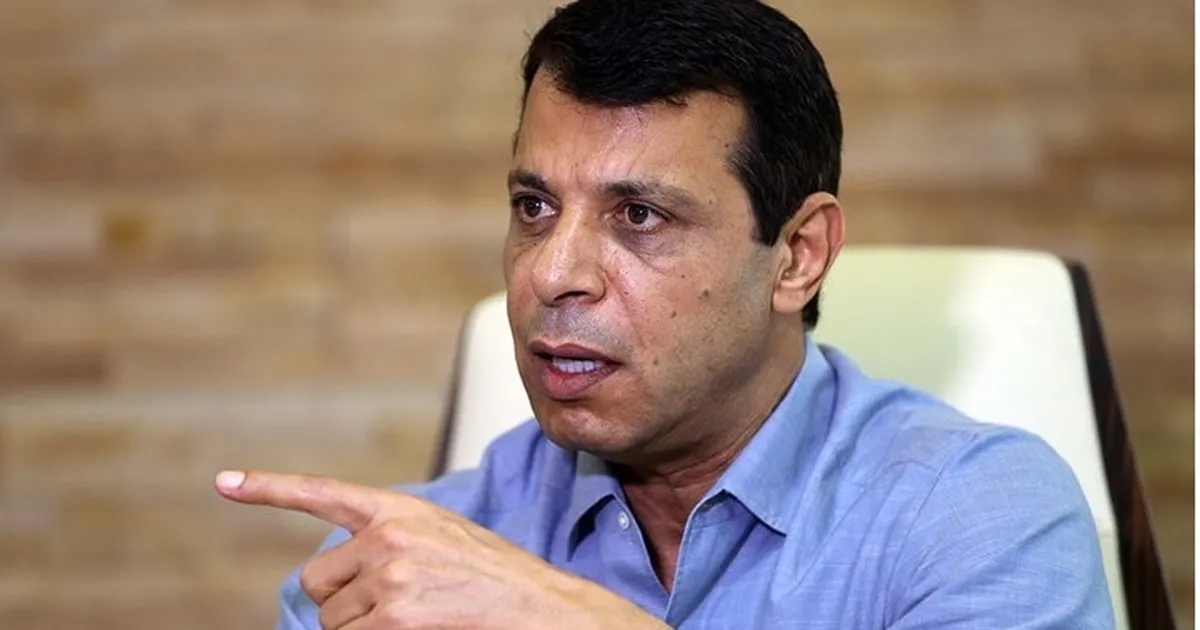
Lazzarini criticizes the US-Israeli aid distribution system in Gaza, describing it as a "war crime."