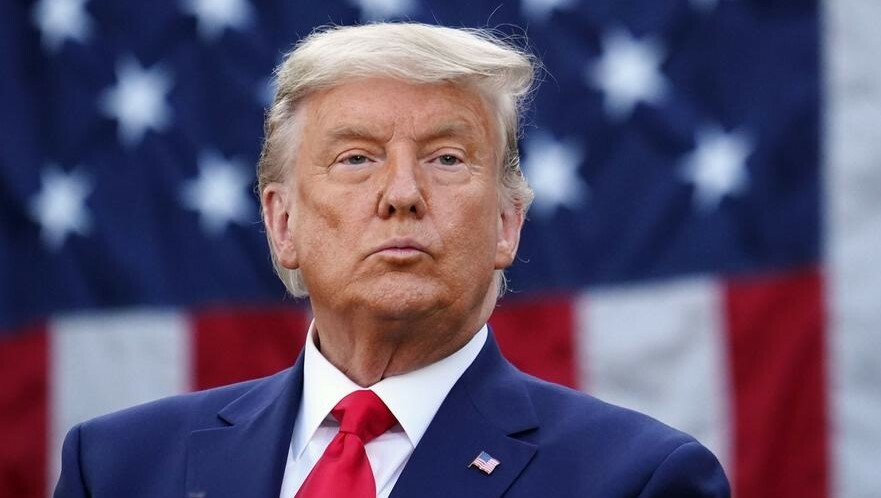







US President Donald Trump said on Sunday that the United States would respond "at unprecedented levels" if attacked by Iran.
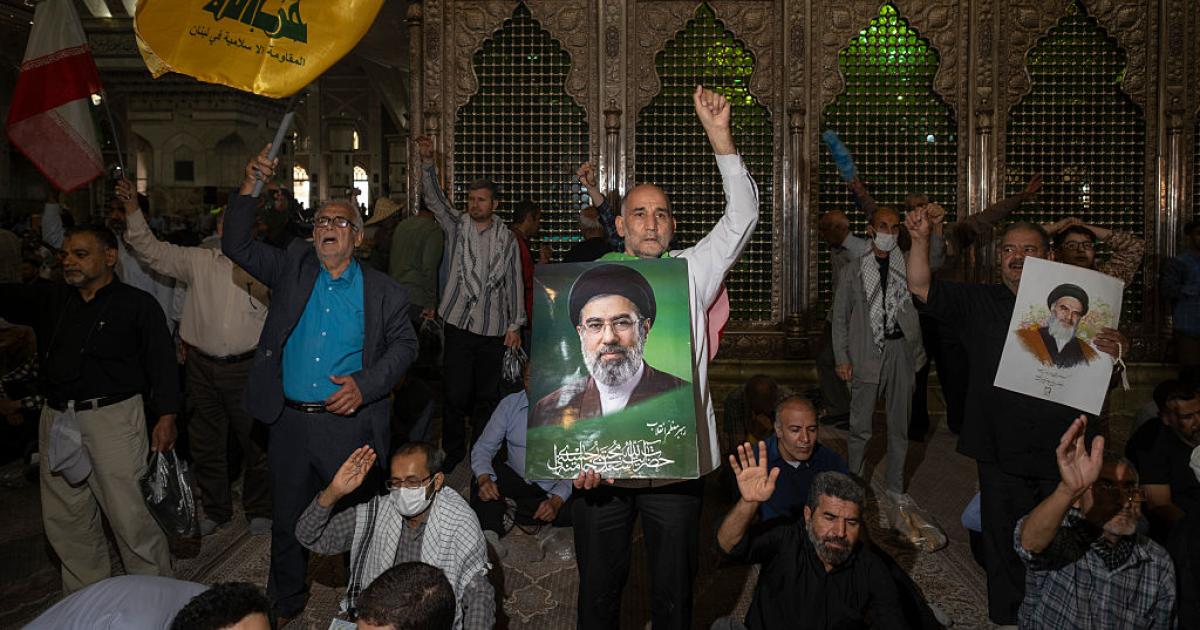
With American approval, Israel attacked Iranian nuclear facilities, senior Iranian officials, military leaders, and prominent nuclear scientists on Friday. Iran responded late Friday (Saturday morning) with missile attacks targeting dozens of sites and targets in Israel, causing significant damage in Tel Aviv, but it does not appear to have targeted American targets so far.
Iranian Defense Minister Aziz Nasirzadeh threatened last week that if Israel attacks Iran, Iran will strike US military bases in the region.
Further missile attacks caused significant damage to the Defense Ministry, killed at least 11 people, and wounded more than 200 in Israel on Saturday night as the conflict escalated. The Israeli military on Sunday called on Iranian civilians living near weapons production facilities to evacuate.
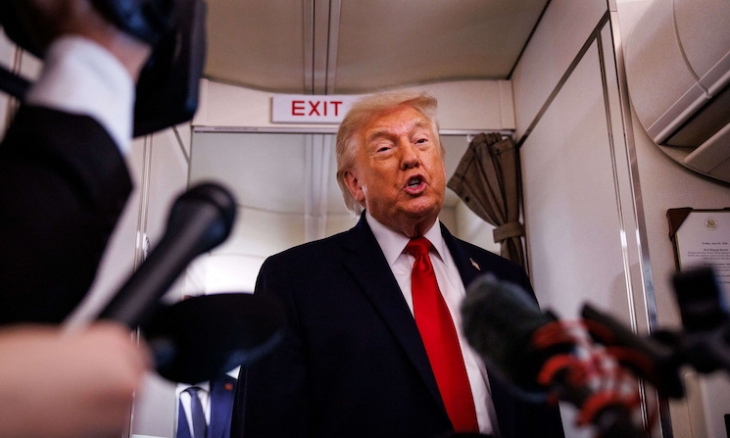
Trump said in the early hours of Sunday morning: "The United States had nothing to do with the attack on Iran, and if we are attacked by Iran in any way, the United States Armed Forces will respond with the full force of our military at unprecedented levels."
He added: "However, we can easily conclude an agreement between Iran and Israel, and end this bloody conflict!!!"
Experts believe that while Israel and Iran are engaged in a war that could spread to other regions, the possibility of resuming talks that were underway prior to the Israeli aggression to address Iran's nuclear program should not be ruled out.
Negotiations will likely remain frozen while the war continues, and the future of diplomacy remains uncertain. Iran feels compelled to respond to Israel, which it is now doing, while Washington appears to be doing nothing to pressure both sides to halt the violence and restart talks.
But the Iranians say they still want a deal, and so does President Trump. The shape of future talks will inevitably depend on when and how the fighting stops.
Washington is holding talks with Tehran to reach an agreement on Iran's nuclear program in exchange for lifting sanctions. In late May, the UN watchdog stated that Iran had increased its stockpile of weapons-grade uranium.
The sharp Israeli escalation has raised fears of renewed instability in the Middle East, prompting leaders to urge restraint and a return to negotiations.
Shortly after the IDF issued the evacuation call on Sunday, Defense Minister Israel Katz stated that Israel "will strike the sites and continue to weaken Iran everywhere, stripping it of its nuclear capabilities and weapons systems."
The Associated Press reported that Israel's Magen David Adom rescue service reported 13 deaths on Sunday. Iran's ambassador to the United Nations, Amir Saeed Iravani, said on Saturday that 78 people had been killed and more than 320 wounded in the country, according to the Wall Street Journal. Foreign Ministry spokesman Esmail Baghaei criticized the Israeli strikes on residential areas, according to the official Islamic Republic News Agency.
According to reports, it secretly delivered hundreds of Hellfire missiles to Israel ahead of its unprecedented attack on Iran on Friday. The United States sent approximately 300 Hellfire missiles to Israel on Tuesday as part of a large stockpile of supplies ahead of its attack. At a time when the Trump administration was saying it was prepared to continue engaging Iran in nuclear talks, the transfer of such a large quantity of Hellfire missiles indicates that the Trump administration was well aware of Israel's plans to attack the Islamic Republic of Iran.
There were no previous reports of the US delivering Hellfire missiles or other large quantities of weapons in the period leading up to Friday's attack.
Two US officials told Reuters on Friday that the US military helped shoot down Iranian missiles heading towards Israel.
Hellfire missiles are laser-guided air-to-ground missiles. While they would not be useful for Israel to bomb Iranian nuclear facilities, they are useful for precision strikes.
It is now beginning to emerge that the Trump administration had been aware of Israel's attack plans for months.
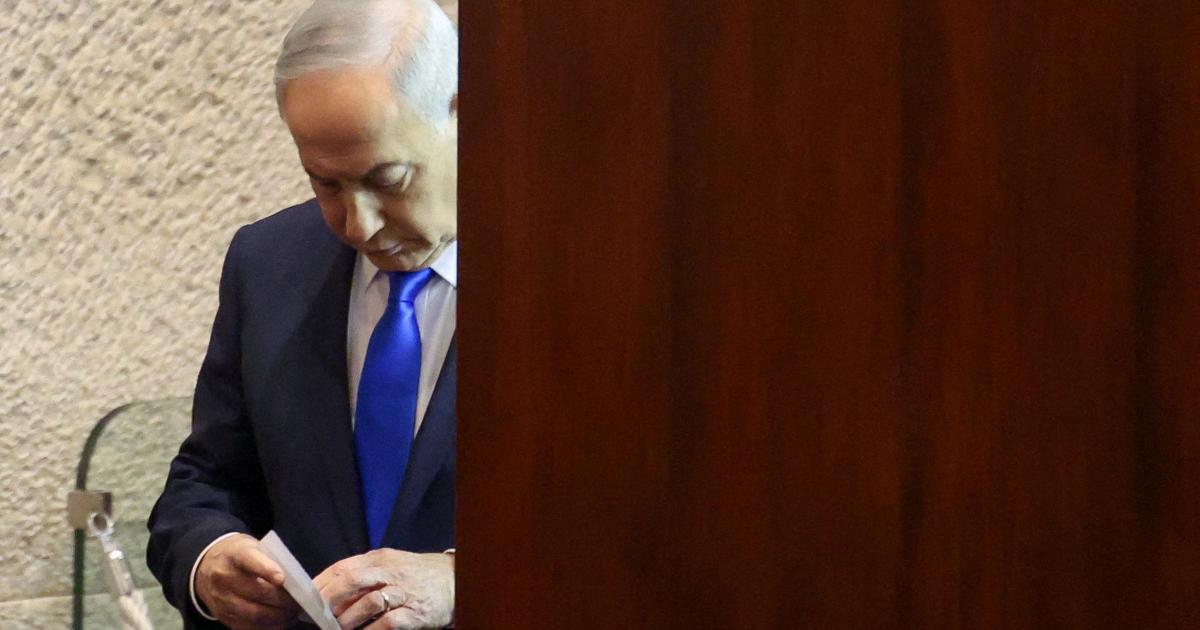
A report in the Middle East Eye website earlier this month revealed that the CIA was briefed in April and May on Israeli plans to unilaterally attack Iranian nuclear sites. The US administration was "impressed" with the analysis of Israeli target systems and the battle plan for cyberattacks, along with precision strikes without any direct US involvement. But Trump's behavior in recent months has given observers, and perhaps even Iranians, the impression that he will continue to resist Netanyahu's public pressure to endorse the strikes.
Axios also reported on Friday, citing Israeli officials, that the Trump administration only "pretended" to resist the Israeli attack plans, but did not resist them in secret.
It's worth noting that Trump has since reframed his approach, stating that he gave Iran a 60-day deadline to agree to a new nuclear agreement with his administration, beginning on April 12 and ending on June 12, before launching the strikes.


Share your opinion
Trump threatens Iran with an "unprecedented" response