





In a time of increasing cruelty, when consciences are targeted as much as the body, we are amazed at the world's ability to punish those who show compassion more than those who kill. At the outset of the war of extermination on Gaza, we saw how anyone invited to speak about Palestine in the Western media was tested with a pivotal question: "Do you condemn Hamas?" In Jerusalem, where I live, a respected school principal was questioned for eulogizing a student at her school who was killed by the occupation. I recently heard Al Jazeera correspondent Najwan al-Samri talk about how a Palestinian nurse in the Israeli medical sector was held accountable for wearing black, presumably in mourning for what was happening in Gaza.
In this charged context, the global scene that mocks compassionate voices cannot be ignored. Over the past two days, Donald Trump has once again mocked environmental activist Greta Thunberg, calling her a "very angry woman" who needs to "take an anger management course," repeating his old tactic of bullying those who express strong feelings on moral issues. This kind of rhetoric doesn't just target individuals; it attacks the very value of compassion, aiming to redefine conscience as a weakness and moral outrage as a threat.
In a time of genocide, the Palestinian cause is no longer merely an arena for military and political conflict, but rather a deeper and more dangerous battlefield, one that targets the human spirit and criminalizes empathy for victims. This criminalization, both locally and globally, reprograms the human conscience to be ashamed of itself, or to remain silent for fear of punishment.
When students at American universities such as Harvard and Columbia took to the streets in solidarity with Gaza, they were denied graduation, had job offers revoked, and were harshly attacked by the media, labeling them "supporters of terrorism." In France, demonstrations in solidarity with Gaza were banned, fines were imposed, and demonstrators carrying Palestinian flags were arrested. In Germany, cultural events were canceled, and doctors and artists opposed to the aggression on Gaza were expelled from public institutions simply for expressing sympathy with the Palestinian people.
In the Arab world, despite the fact that "the hearts of the people are with Hussein and their swords are with the Umayyads," some regimes have not hesitated to brutalize and imprison those who demonstrate in solidarity with Gaza for participating in demonstrations in support of Gaza. Even in Palestine, some Gaza sympathizers have been dismissed from their jobs.
This criminalization has not stopped at political or media expression, but has also extended to the humanitarian and medical spheres. The efforts of volunteer doctors to treat the wounded in Gaza have been met with investigation, bans, and security stigma. Charitable organizations have also been banned from delivering aid, allegedly for "funding terrorism," as if providing relief to the hungry and wounded were a crime.
Erosion of conscience and shrinkage of the emotional sphere
Criminalizing empathy not only frightens those who raise their voices, but also affects those who keep their feelings to themselves. It reshapes the human psyche, making individuals afraid of their own tears, reluctant to express their grief, and powerless in the face of others' suffering. This is what psychology calls "emotional suppression," a major factor in the development of anxiety, depression, and other neurotic disorders.
Even worse, the psyche sometimes begins to adapt to this repression through what is known as “emotional numbing,” where the person loses the ability to feel and interact with human pain, and becomes more susceptible to detachment from his feelings, society, and reality, which leads to isolation, withdrawal, and sometimes even savagery.
As for our young people who follow our example, observing adults being punished for their compassion produces moral confusion and existential anxiety, as "good" is redefined as danger and "compassion" as deviance. This deepens their psychological alienation and establishes a society that views values as a luxury with no place in a world of fear and censorship.
How do we decriminalize with courage and poise?
This situation requires us, as mental health professionals, academics, and intellectuals, to reaffirm the centrality of conscience and expose the soft tools of oppression that employ law, media, and education to nip empathy in the bud. We must expand the clinical, private, and public spheres for discussing fear and connect with others who share our feelings and experiences. Fear dissipates when we seek refuge in groups.
At a time when one is forbidden to cry over a child pulled from the rubble, and another who survives bombing only to die of starvation, we must raise our voices not only in defense of Palestine, but also in defense of our threatened humanity. The crime is clear, and silence is nothing but false testimony against our consciences.
The genocide in Gaza is no longer limited to the Gazans or Palestinians alone. Rather, it is a crime that will have a universal humanitarian dimension. It will threaten the social contract between people and touch the very essence of humanity if silence and complicity prevail over our consciences.
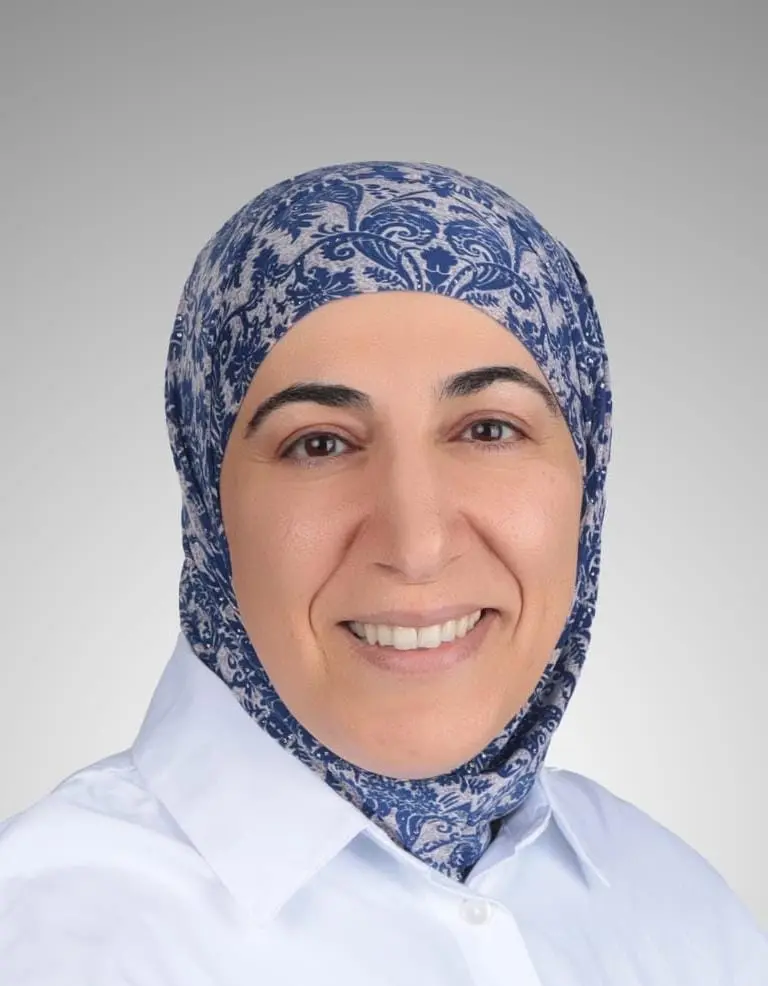
Written by: Dr. Samah Jabr

OPINIONS
Thu 12 Jun 2025 9:34 am - Jerusalem Time
Conscience in the dock
Share your opinion
Conscience in the dock