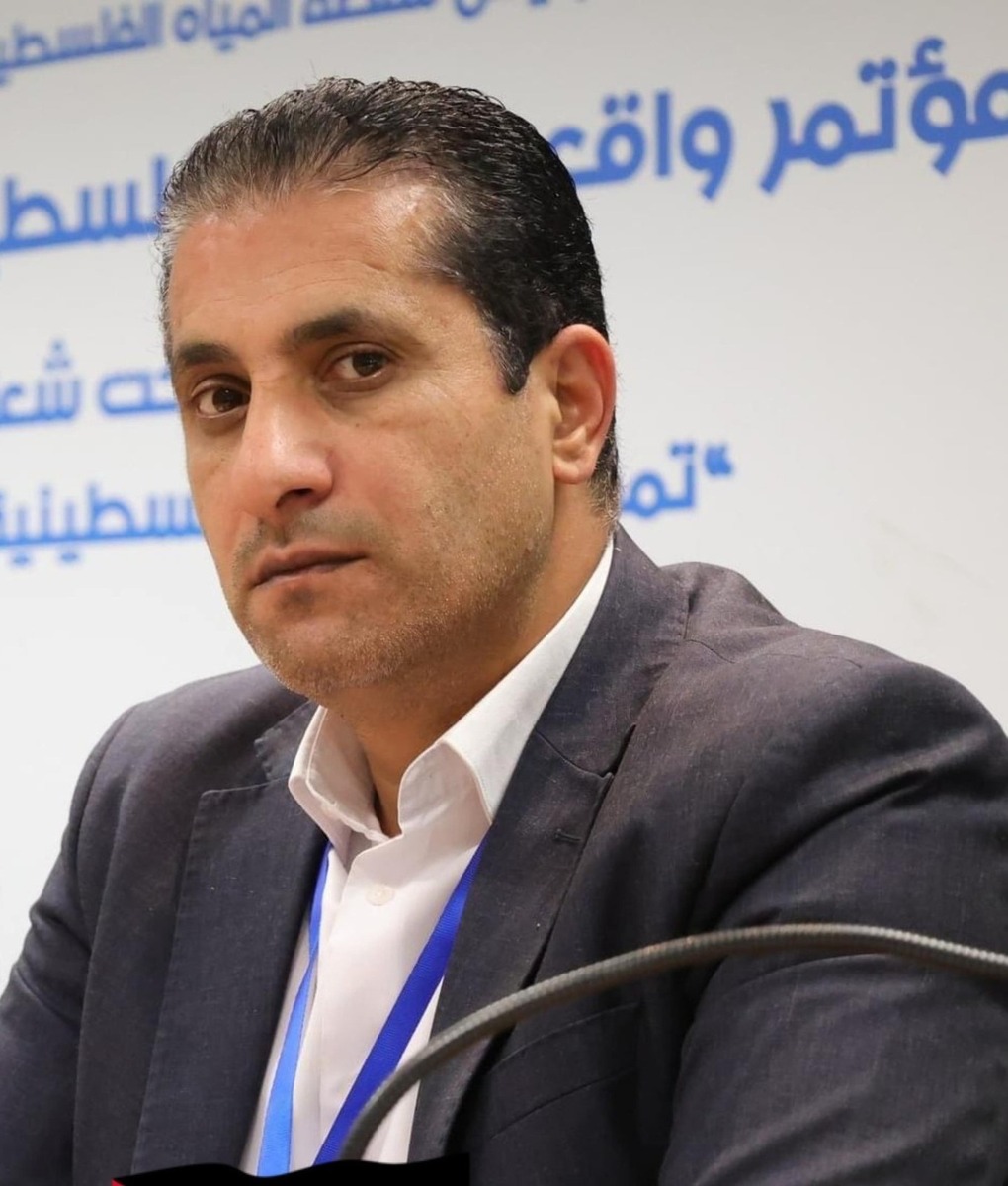






Amin Al-Hajj
At the moment of its founding, and with the launch of the revolution, its leaders chose to begin with a shot, not a document. The first shot was not merely a beginning, but rather an expression of the fact that armed struggle is the only means of returning the Palestinian people to the map, after their political and historical exile.
The gun was a tool of existence, an echo of a voice that could only be heard through its muzzle. But with the passage of time, the movement began to move away from it, and with Oslo, the revolution moved into a new arena, one in which it believed that recognition of the state could be obtained through negotiation, not conflict, and that building institutions might precede sovereignty and lead to it.
Thus, the first shot became a memory, and the political track became the only or last shot, but it did not hit, rather it was lost in the air. Between repeated rounds of negotiations, without results, and painful retreats under the pressure of financial and political blackmail, the Palestinian Authority gradually transformed into an administrative entity with limited powers, functionally exhausted, and politically exposed, after it had bet that moderation would be treated fairly. However, the exact opposite happened, as this was understood as a sign of weakness, not as a strategic choice.
When Arab foreign ministers are prevented from reaching Ramallah, this is not a passing event, but rather the continuation of a long process of isolation and dismantling. What is happening today is the culmination of years of undermining the legitimacy of the Authority, starting with stripping it of its liberation dimension and transforming it into an executive body, and reaching to striking at its popular base, through withdrawing sensitive files and politicizing others, such as the salaries of prisoners and martyrs’ families, and turning them into internal pressure cards, in parallel with demonizing it externally with the rhetoric of “corruption,” which, although some of its leaders have acknowledged, the occupation did not intend to use as a gateway to reform, but rather to complete the delegitimization of it.
In contrast, the authorities have not developed tangible or real alternatives. They have not revived the popular resistance project, nor opened the way for national unity, nor have they redefined their relationship with representative institutions. Indeed, their reform initiatives have been either late, fragmented, and confused, and have not undertaken national reviews to re-arrange priorities or build internal confidence.
Thus, the remaining tools were turned inward. Security slogans were raised, but they were understood - popularly - as control tools, or as tools of subjugation - under various titles - rather than as tools of protection. The final shot was directed at critics, opponents, and the street in general, instead of being used in its battle to reposition itself.
In contrast, the occupation was escalating at various levels, from building settlements, to annexing lands, to dismembering the West Bank, through public statements by right-wing leaders, or warlords from Tarsila, south of Jenin, that a Palestinian state was no longer possible, and that recognizing it was worth nothing. This was a direct message to Paris and other Western capitals, and an expression of growing confidence that the international system, as well as international legitimacy, had become impotent or complicit, that their decisions were neither implemented nor respected, and that international justice was subject to an already unbalanced balance of power.
Even more cruel is the Authority's lackluster and confused stance on the aggression on Gaza. It seemed to be on the sidelines, watching silently, as if it were no longer part of the battle, but rather part of an increasingly gray landscape. Today, it is not only suffering from a political crisis, but also from a crisis of a project. It was not defeated in a political battle, but it was deceived when it understood that the world would move when it acted responsibly and moderately. This did not happen, and was understood as a sign of weakness. Today, it is being eroded from within, besieged from without, and exhausted, and its last shot is no longer sufficient.
What is happening today is not just a diplomatic embargo, but rather a declaration that the model has expired. The authorities have been forced to face the moment of truth. Either they redefine their role within a national resistance strategy that restores the notion of liberation, or they continue to represent themselves in a vacuum while the door is quietly closed behind them... and without regret.
............
The regime has not developed tangible or real alternatives. It has not revived the popular resistance project, nor opened the way for national unity, nor redefined its relationship with representative institutions. Even its reform initiatives have been either late, fragmented, or confused.

OPINIONS
Sun 01 Jun 2025 9:14 am - Jerusalem Time
The last shot...
Share your opinion
The last shot...