






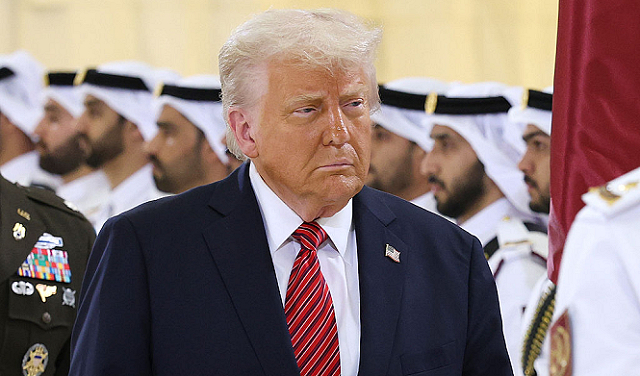
Politico reported that US President Donald Trump was quick to condemn the killing of two Israeli embassy employees in Washington, describing himself as the most pro-Israel president in US history, "but behind the scenes, there is a growing rift between him and Prime Minister Benjamin Netanyahu."
According to what five current and former US officials told the newspaper, the relationship between Trump and Netanyahu has been strained in recent weeks, due to their differences over how to handle multiple Middle East crises, and the horrific killing of Israeli embassy staff in Washington is unlikely to change this situation.
While US and Israeli officials say it would be an exaggeration to describe the current situation as a rupture, a growing number of people in the Trump administration are frustrated with Israel and its approach to Washington and the Middle East, according to the officials.
"There is a cadre in the administration that doesn't particularly care about Israel, and they don't have any particular connection to it," said a former Trump administration official. "They view it as a partner, but not as one we should go out of our way to serve."
What makes matters worse, according to Politico, is Netanyahu's approach to the relationship with the United States, which lacks the respect, pomp, and formality that Trump and his team have valued in dealing with other partners in the Middle East.
A source close to the White House said that many in the administration feel that "Bibi (Netanyahu) is the most difficult person to deal with on all these issues."
This is a disagreement that Wednesday's deadly shooting of two Israeli embassy employees by a pro-Palestinian activist is unlikely to change. Trump appears to view these killings as an indication of the need to further crack down on anti-Semitism in the United States. An administration official said Trump's views on Israel and anti-Semitism are "different things."
Israeli officials take the opposite approach, describing Wednesday's attack as the opening of a new front in the wider Middle East war, including from Hamas in Gaza and Iran and its proxies elsewhere on its borders.
Netanyahu's office announced that he spoke with Trump on Thursday, and that the president "expressed his deep sorrow over the horrific murder in Washington of two Israeli embassy employees." They also discussed Iran and the war in Gaza, according to Israel's account of the call.
But the prevailing sentiment inside the White House is that the Israelis are constantly demanding more from the United States, even as the relationship between the two sides has not yielded the quick diplomatic gains sought by Trump and his team.
"Netanyahu is one of those who constantly pushes, and that might anger Trump," the former administration official said.
The Trump administration pressured Netanyahu and his government to allow more aid into the devastated Gaza Strip. Trump distanced himself from the Israeli government, brokering a ceasefire with the Houthis in Yemen that excluded Israel, and defying Netanyahu's opposition in his attempt to reach an agreement with Iran over its nuclear program. Many also viewed Trump's decision not to visit Israel on his recent trip to the Middle East as a public snub.
If the attack outside the Jewish Museum in Washington, D.C., prompts the Trump administration to take further action, it will likely be domestic.
Trump has prioritized curbing anti-Semitism on college campuses, measures popular with pro-Israel and Jewish supporters. A Harvard University task force and other independent assessments agree that there are issues that need to be addressed, but many critics consider the administration's approach to be heavy-handed and misplaced.
The administration and its supporters say that measures—even extreme ones such as deportation measures—are necessary to root out anti-Semitic sentiments that have taken root in schools and universities. These sentiments have been exacerbated since Hamas's attack on Israel on October 7, 2023. Wednesday's attack is sure to add further justification to the administration's efforts.
The White House's focus on anti-Semitism may allow Trump to respond to the deadly attack while separating it from broader questions looming about his bilateral relationship with Israel.
It's worth noting that Trump came to power hoping to achieve quick gains on the Israeli issue, including the long-awaited normalization between Israel and Saudi Arabia. He dispatched his special envoy, Steve Witkoff, to help broker a ceasefire between Israel and Hamas even before his inauguration, in what appeared to be an early victory.
But the success was short-lived, as Netanyahu violated the ceasefire by resuming the war on March 18, after tightening a crippling blockade on Gaza, preventing any humanitarian aid from entering the Strip since March 2. Riyadh also made clear that normalization would not occur without a permanent end to the fighting and significant steps toward establishing a Palestinian state—concessions Netanyahu would never accept.
The newspaper says: "With Hamas weakened and Iran in retreat, many in the Trump administration see an opportunity to end the fighting in Gaza and reach an agreement with Tehran over its nuclear program. Meanwhile, Netanyahu wants to continue the war and opposes US attempts to broker a deal with Iran."
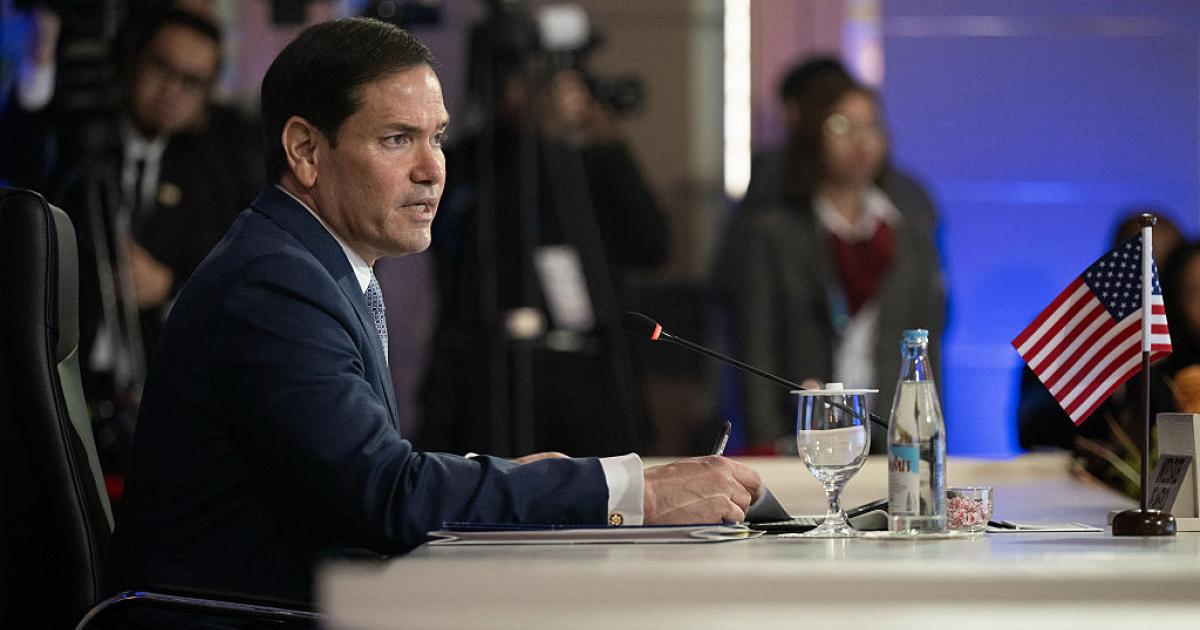
According to a Politico report, Trump has increasingly received conflicting advice on how to deal with Israel, according to a current and former administration official. Secretary of State Marco Rubio, Deputy Chief of Staff Stephen Miller, and CIA Director John Ratcliffe share pro-Israel views, while Director of National Intelligence Tulsi Gabbard has advocated for a more measured approach to the American ally. As a result of this division, Trump has remained silent on Israel in recent weeks, according to the current administration official.
Besides Trump's strained personal relationship with Netanyahu, other factors explain his shifting loyalties in the Middle East, which were clearly evident during the president's first major foreign trip, which included visits to Arab allies in the Gulf, but not to Israel.
According to the newspaper, a person close to the president's national security team said, "He's more committed right now to the Saudis and the Emiratis than he is to Israel, which is kind of surprising, but true." This person noted that Arab allies are "playing his game—writing big checks—and supporting the nuclear talks with Iran." While Trump initially supported Netanyahu's decision to escalate his offensive on Gaza, he has grown increasingly frustrated with the conflict.
This is because, the person close to Trump's national security team said, he sees the war as an obstacle to his vision for rebuilding Gaza and expanding the Abraham Accords, under which several Arab countries normalized relations with Israel. However, the Saudis refused to take this step while Israel was at war with Hamas. "There's a lot to explain this shift" toward Arab allies and away from Israel, the person added. "He can always reassess his position with Bibi, but this has been evolving for some time."

Share your opinion
Trump boosts support for Israel, but not Netanyahu who's frustrated by him