







The World Health Organization has warned of "the imminent collapse of the health system in the Gaza Strip" as the Israeli military aggression continues.
"The intensive Israeli military operations continue to threaten an already exhausted health system that is on the verge of collapse, while the crisis of mass displacement and severe shortages of food, water, medical supplies, fuel, and shelter worsens," the organization said in a statement on Friday.
She added that "four major hospitals in Gaza - Kamal Adwan Hospital, the Indonesian Hospital, Hamad Hospital for Rehabilitation and Prosthetics, and the European Gaza Hospital - were forced to suspend their medical services over the past week" due to their proximity to the evacuation areas and exposure to (Israeli) attacks.
The organization added that it had recorded 28 attacks on health care in Gaza recently, bringing the total number of attacks since October 2023 to 697.
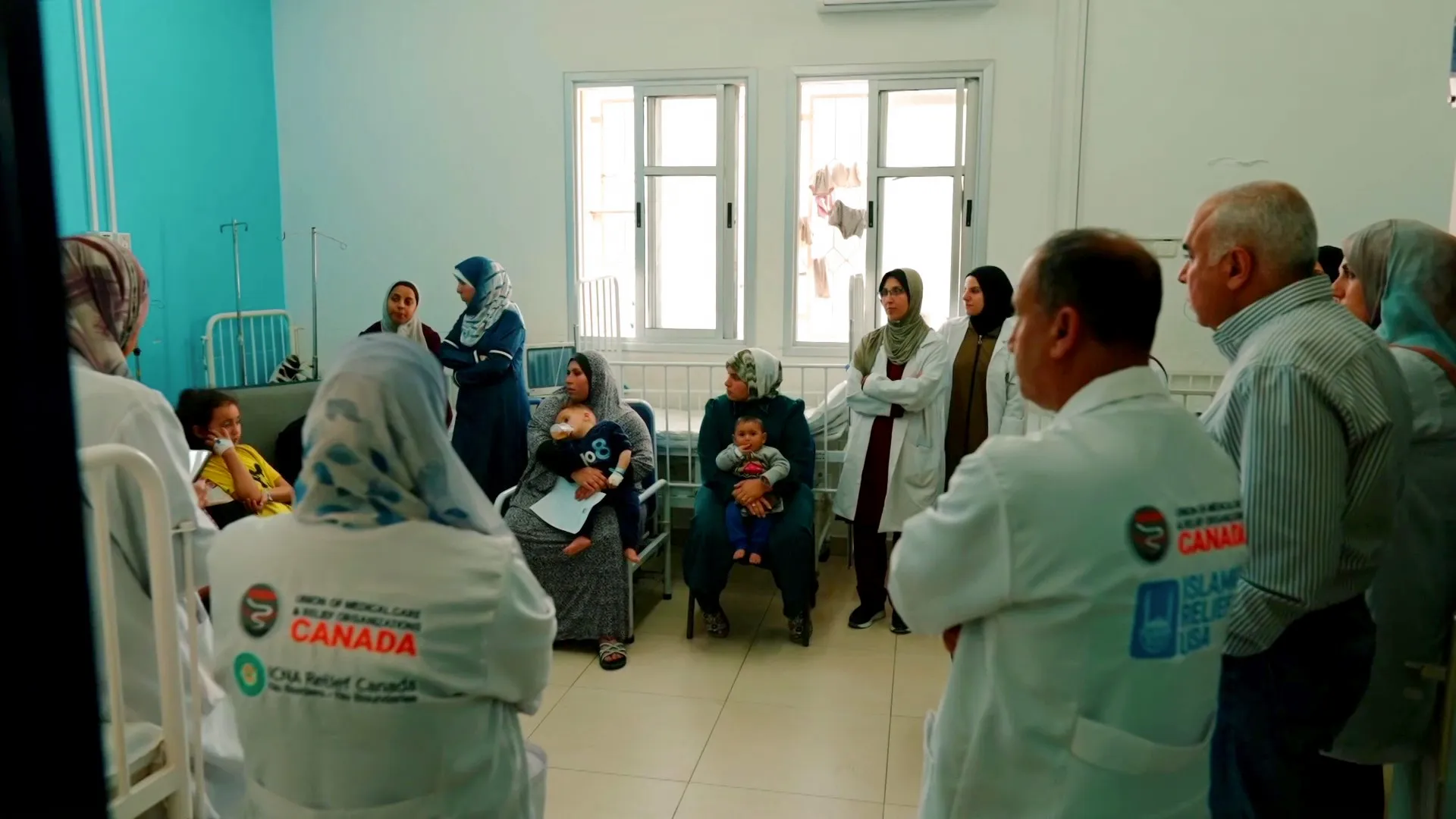
She explained that "of the 36 hospitals in the Gaza Strip, only 19 remain operational, including one that provides basic care to patients who remain inside. Even these hospitals are suffering from a severe shortage of supplies, a shortage of health workers, prolonged insecurity, and a rapidly rising number of infections. Meanwhile, medical teams are working tirelessly under impossible conditions."
She noted that of the 19 hospitals mentioned, only one provides a range of health services, while the rest are limited to providing only basic emergency services. It is estimated that at least 94% of all hospitals in the Gaza Strip have been damaged or destroyed.
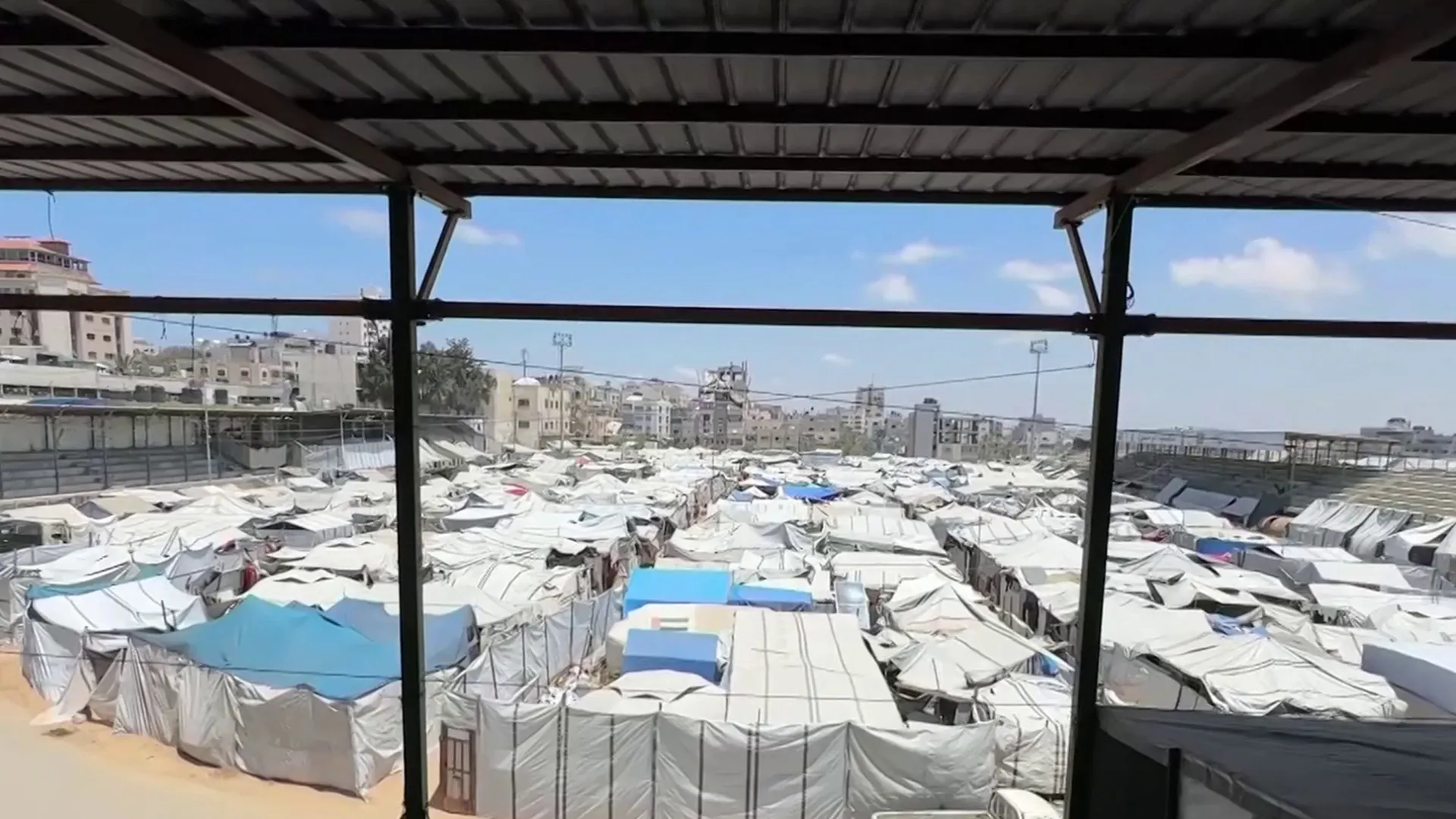
The World Health Organization said, "The escalation of hostilities and the issuance of new evacuation orders in northern and southern Gaza over the past two days threatens to put more health facilities out of service. This includes one hospital, 11 primary care centers, and 13 health points located within the evacuation areas, in addition to five hospitals, one field hospital, nine primary care centers, and 23 health points located within 1,000 meters of these areas."
She added: "Northern Gaza has been stripped of almost all healthcare services. Al-Awda Hospital is only minimally functioning, currently serving as an emergency point for severely injured patients. Even this hospital is at imminent risk of closure due to continued insecurity and restricted access."
Reports indicated that the third floor of the hospital was bombed by Israeli warplanes last Wednesday, injuring a medical staff member. The Israeli aggression in the area also caused damage to the water tank and pipeline.
The hospital also came under renewed Israeli attack on Thursday. Reportedly, the third and fourth floors were damaged in the attack, injuring two health workers. Triage tents, including one provided by the World Health Organization (WHO), caught fire, burning all medical supplies stored in the warehouse and destroying vehicles in the basement. Furthermore, the occupation obstructed a WHO mission attempting to reach the hospital.
The Indonesian hospital has also been out of service due to the ongoing Israeli occupation of the area since May 18, making it inaccessible. A WHO mission was forced to cancel its visit to the hospital last Wednesday due to the security situation, after waiting nearly four hours for permission to proceed. The WHO team had planned to deliver food and water to patients, assess their health conditions, and identify vital medical equipment that could be transported. The organization attempted to access the hospital again on Thursday, but the Israeli occupation authorities again obstructed the mission.
Kamal Adwan Hospital, which was the only center for the treatment of severe acute malnutrition in northern Gaza, was put out of service on May 20 after Israeli aggression intensified in the vicinity, forcing patients to evacuate or leave the hospital before completing their treatment.
In southern Gaza, Nasser Medical Complex, Al-Amal Hospital, and Al-Aqsa Martyrs Hospital are under tremendous pressure due to the increasing number of wounded, a situation exacerbated by a new wave of displacement to Deir al-Balah and Khan Yunis. The Gaza European Hospital has remained out of service since being bombed by Israeli aircraft on May 13, disrupting vital services such as neurosurgery, cardiology care, and cancer treatment—all services unavailable elsewhere in Gaza.
The World Health Organization said: “Currently, there are only 2,000 hospital beds available across the Gaza Strip, despite a population of over two million. This leaves a stark shortage of beds compared to current needs. Even with this limited number of beds, at least 40 beds are at risk of being lost to hospitals within the recently declared evacuation zones, and an additional 850 beds could be lost if conditions in health facilities near those areas deteriorate.”
She added: "The ongoing hostilities and (Israeli) military presence are hindering patients' access to care, preventing health workers from providing services, and hampering the organization's and its partners' efforts to resupply hospitals with necessary supplies."
She emphasized that "every forced hospital closure deprives patients of access to healthcare and undermines the efforts of the organization and its partners to support and maintain the health system in Gaza. But this destruction is systematic; as soon as hospitals are rehabilitated and replenished with supplies and equipment, they are again subjected to hostilities or attacks. This destructive cycle must be stopped."
She continued: "Despite ongoing fear and insecurity, health workers—particularly members of national and international emergency medical teams—continue to provide urgent care in Gaza. WHO commends their courage and commitment. The organization calls for effective protection of health-care facilities and personnel. The organization emphasizes that hospitals must not be militarized or targeted under any circumstances."
The organization also called for "allowing aid to enter Gaza on a large scale through all possible means, and ensuring unhindered access for humanitarian assistance to the population wherever they are. In line with what the UN Relief Coordinator emphasized, the organization reiterates that the United Nations and its partners have a clear, principled, and effective plan for delivering aid, and that this plan includes safeguards to prevent it from deviating from its humanitarian path. It is a plan that has proven effective and must be enabled to continue."
The World Health Organization called for an "immediate and permanent ceasefire."



Share your opinion
WHO warns of the imminent collapse of the health system in Gaza.