






News analysis
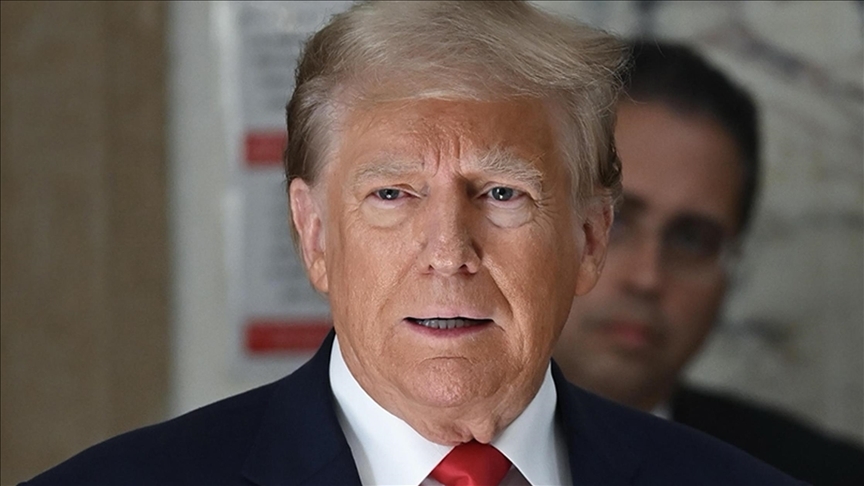
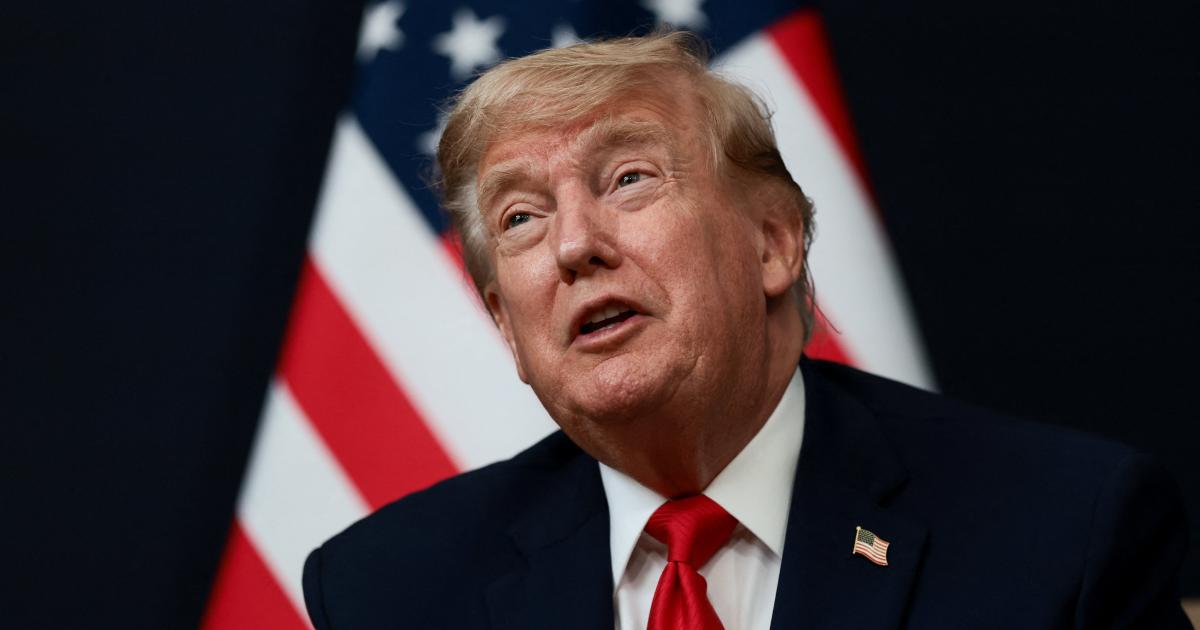
On Iran, Gaza, Syria, and Yemen, US President Donald Trump is moving forward with his Middle East policies without Israel, rewriting decades of foreign policy, The New York Times reported on Sunday. When President Trump shook hands with the new Syrian leader, Ahmed al-Sharaa, and promised to lift sanctions on Syria at the Saudi royal palace last week, it was a clear indication of how the president’s Middle East diplomacy has all but marginalized Israel.
Trump described Ahmed al-Sharaa, who had previous ties to al-Qaeda and was known as Abu Mohammed al-Julani, as "a tough guy with a tough past." Trump added that he ended sanctions, many of which were imposed on the former Syrian government, "to give it a chance at greatness."
In doing so, Trump effectively ignored the views of Israeli Prime Minister Benjamin Netanyahu, whose government describes al-Sharaa as a "jihadist." The Israeli military has bombed Syria hundreds of times since last December, when rebels led by al-Sharaa ousted President Bashar al-Assad from power. In recent decades, under US presidents of both parties, Israel has enjoyed a largely special place at the center of US foreign policy in the region. Netanyahu, who has been in power for most of the past two decades, has consistently been a key player in Middle East debate, even to the point of irritating his American counterparts at times.
It is noteworthy that there is no indication that the United States is abandoning its historical ties with Israel, or that it will cease its military and economic support for it. During his flight on Air Force One from Riyadh to Doha, Trump dismissed concerns about marginalizing Israel. He told reporters who raised the issue of the estrangement between the United States and Israel, "No, not at all. It's a good thing for Israel to have a relationship like I have with these countries, the countries of the Middle East, almost all of them."
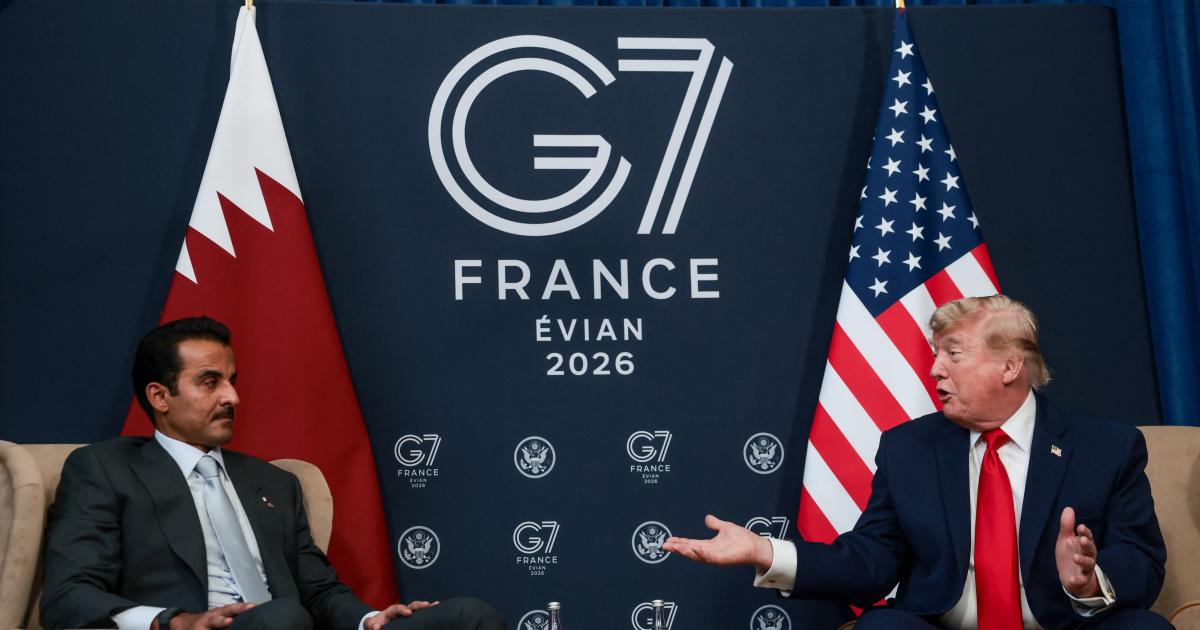
According to the newspaper, Trump's five-day tour of the Middle East last week highlighted a new dynamic, one in which Israel—and Netanyahu in particular—have become an afterthought. In Saudi Arabia, Qatar, and the United Arab Emirates, Trump sought to negotiate "peace agreements" with Iran and Yemen, and struck trillions of dollars in trade deals with wealthy Gulf states. He also did not stop in Israel.
The newspaper quotes Itamar Rabinovich, the former Israeli ambassador to the United States, as saying: "The general feeling is that attention is shifting, particularly toward the Gulf states, where the money is."
Rabinovich added that Trump appears to have lost much interest in working with Netanyahu to stop the war in Gaza, because he feels there is no point. Netanyahu is sticking to his position and won't back down. Hamas isn't backing down. It seems like a dead end with no hope.
While Netanyahu's spokesman, Omar Dostari, denied any serious rift in relations between the two countries, citing Netanyahu's two visits to the White House in recent months and Trump's recent comment that we're "on the same side on every issue," referring to the Israeli prime minister, the shift in diplomatic fortunes has been hard to miss over the past few weeks, as Trump has taken action on one issue after another—without involving Netanyahu.
It's worth noting that earlier this month, Trump surprised many in Israel with his sudden announcement of a ceasefire with the Houthis in Yemen, even as the group continued to fire rockets at Israel, and days after Israel failed to intercept a missile that struck Ben Gurion Airport in Tel Aviv, disrupting flights for weeks.
The Trump administration also succeeded in securing the release of Idan Alexander, the last surviving American hostage in Gaza, without Israel's knowledge or intervention.
Nadav Strauschler, a former advisor to Netanyahu, stated that the Israeli prime minister still has a strong relationship with Trump, but it is different from the one he had with previous US presidents.
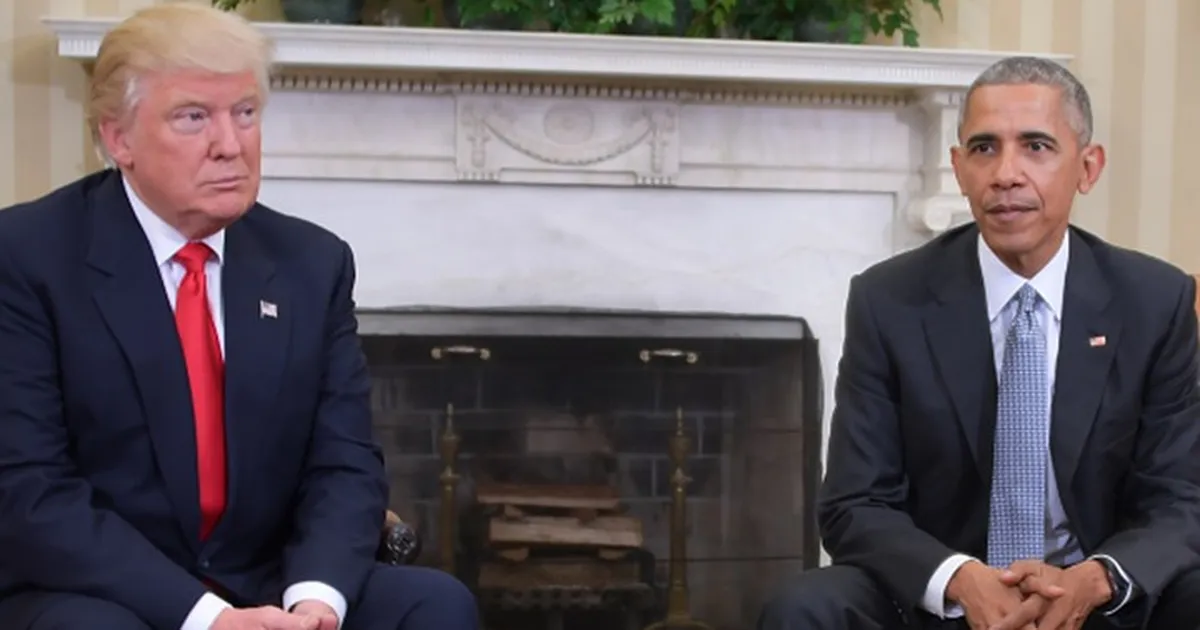
"With Biden, Netanyahu can postpone (US) decisions," he said. "But with Trump, once that happens, decisions are made above Netanyahu's head. This is a change that worries many in Israel."
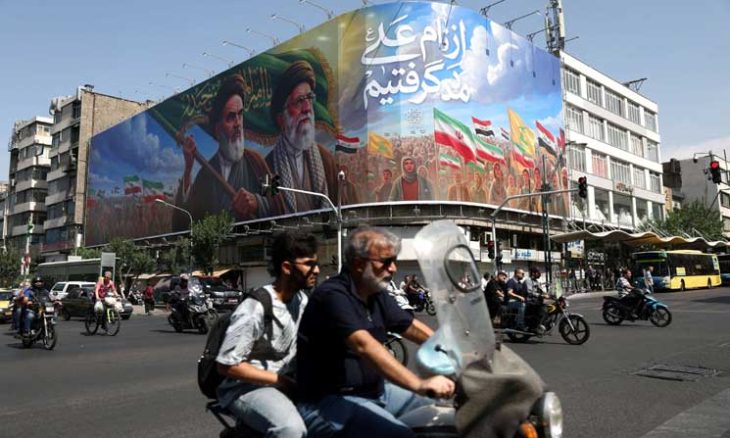
Throughout his visit to the Middle East, Trump reiterated his desire to reach an agreement with Iran that would avoid the need to use military force against its nuclear facilities. In Qatar last Thursday, he said the United States was in "very serious negotiations with Iran for long-term peace," adding that it would be "great" if they reached an agreement.
This is also the opposite of what Netanyahu wants, as he has been urging the Trump administration to support, or even participate in, military strikes against Iran. So far, Trump has taken the opposite approach, although he has repeatedly held out the possibility of launching large-scale strikes if negotiations fail.
"Iran is the heart of the story, more than anything else," Struckler told the newspaper. "Netanyahu's legacy is at stake."
The decision to engage with Iran is no different from Trump's decision to lift sanctions on Syria. There are deep suspicions in Israel that the new Sharaa government will transform into another extremist force hostile to Israel. Israeli officials say the strikes aim to destroy the weapons of the regime of President Bashar al-Assad, who was ousted by Sharaa, and limit its presence near Israel's northern border.
In contrast, Trump's announcement of sanctions is an endorsement of Shara'a's promises to be different, and will provide him with a much-needed economic lifeline.
Overall, the US president's actions represent a stunning shift, even from Trump's first term, when he visited Israel during his first foreign trip. One of his first official decisions on that trip was to announce that the United States was moving its embassy from Tel Aviv to Jerusalem, in a symbolic show of solidarity with Netanyahu alongside him.
This shift shook the Israelis.
Reports in Israeli newspapers and international headlines were deeply alarming: “Trump bypasses Israel, but it’s silent”; “Trump’s snub: What Netanyahu’s declining global power means for his fortunes at home”; “White House shows Netanyahu fatigue”; “Trump’s Middle East trip leaves Netanyahu watching from afar” and so on.
On this point, a former US official told a correspondent for Al-Quds newspaper that, at the present time, it appears as though Trump will continue his "cold" approach to his relationship with Netanyahu, even as his aides insist that his relationship with the Israeli prime minister remains strong. It also appears as though the US president no longer treats Israel as an indispensable state in the Middle East or the sole democracy in a sea of tyranny.
But, according to the former official, who requested anonymity for privacy reasons, "It is unlikely that the United States will change its relationship with Israel. This is a very strong, historical relationship, rooted from the founding of Israel until today, despite the change of American presidents and Israeli leaders."
He added: "Israel and America are a cohesive unit economically, militarily, intelligence-wise, culturally, and heritage-wise, and the United States is Israel's largest supporter. The previous administration (Democratic President Joe Biden's administration) supported Israel with more than $22 billion over 15 months, gave it the green light to brutally and continuously bomb Gaza, and prevented the world from condemning Israel in international forums. The Trump administration has continued the same approach, and even worse. In Gaza, it allowed Israel and Netanyahu to violate the ceasefire (on March 18), and allowed Israel to impose a complete blockade on the Gaza Strip, despite widespread international opposition."
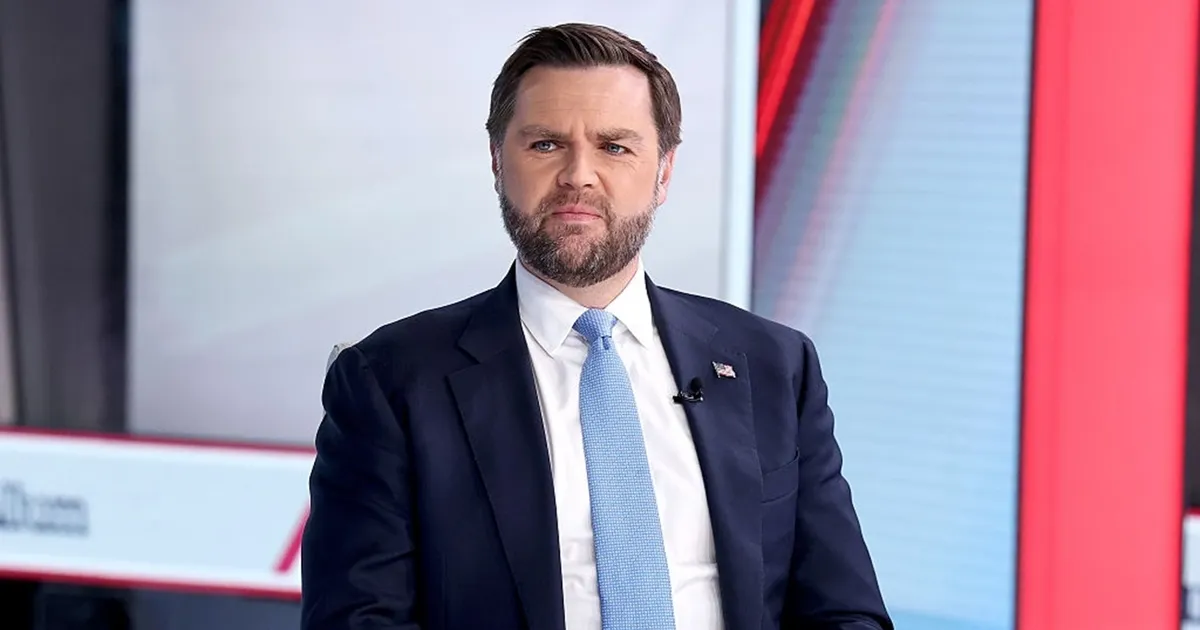
“Trump’s electoral base is completely supportive of Israel,” the former official said. “Every official in the US government is completely supportive of Israel, from Vice President J.D. Vance, to Secretary of State Marco Rubio, to Secretary of Defense Ben Hegseth, to CIA Director John Ratcliffe, to his Middle East negotiator, Steve Witkoff, and to Trump’s ambassador to Israel, Mike Huckabee, who fully embraces the Israeli position.”
Share your opinion
Trump ignored Netanyahu on his Gulf tour, but the estrangement between the two is exaggerated.