




This evening, Sunday, the Israeli occupation forces stormed the town of Silwad, east of Ramallah.
Security sources reported that an occupation army force stormed the town of Silwad, without any arrests or clashes being reported.


Sun 17 Nov 2024 7:19 pm - Jerusalem Time

This evening, Sunday, the Israeli occupation forces stormed the town of Silwad, east of Ramallah.
Security sources reported that an occupation army force stormed the town of Silwad, without any arrests or clashes being reported.
Sun 17 Nov 2024 6:33 pm - Jerusalem Time
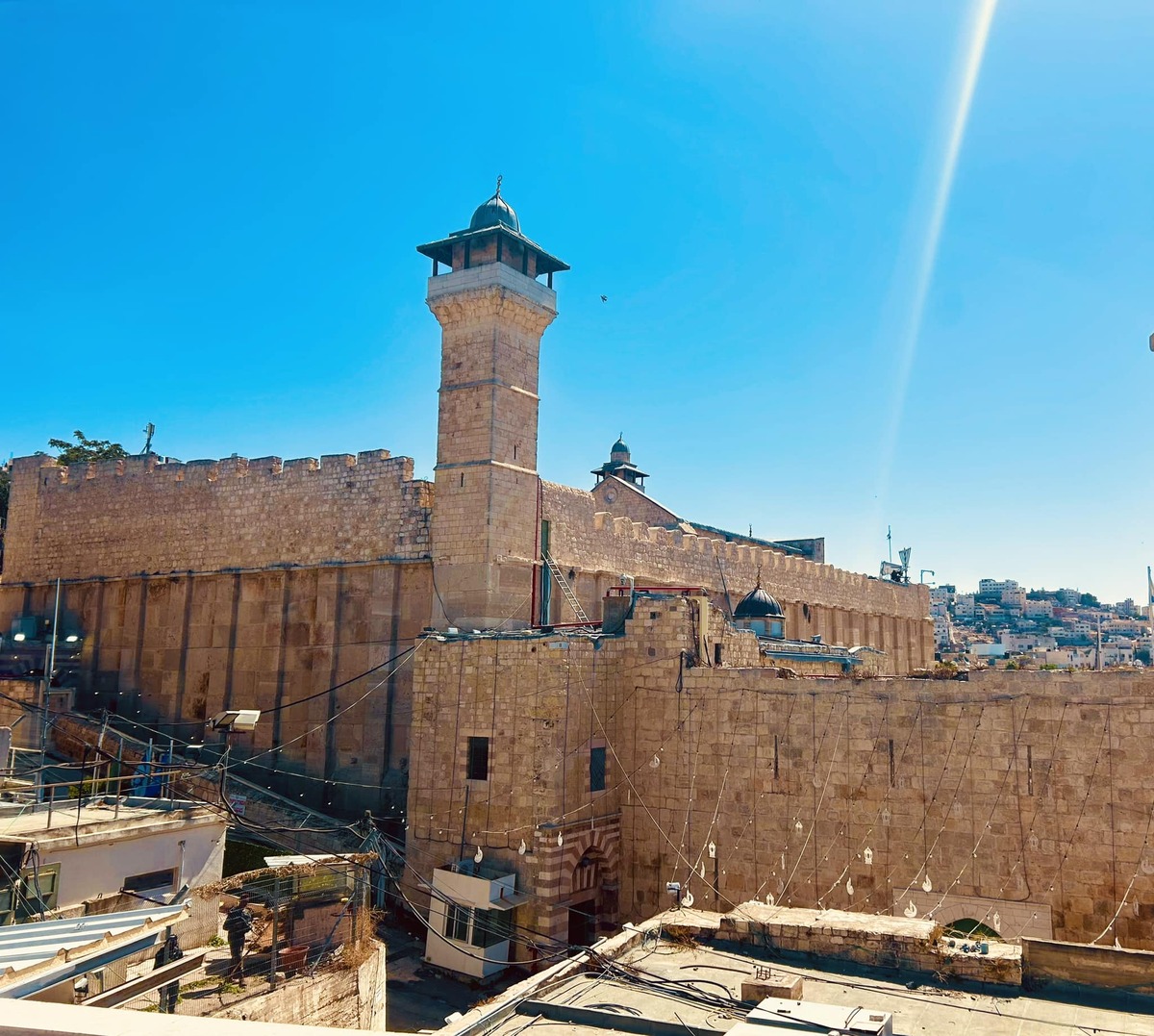
Likud MK Avichai Boaron said that Israel will take "the Tomb of the Patriarchs (the Ibrahimi Mosque) meter by meter, just as we started with one meter."
"We have a good security minister, a good defense minister and friends abroad. This is our chance. We have two years to do this. The place will not remain stuck in 1967," Poiron added.
The Palestinian Ministry of Endowments and Religious Affairs warned, on Sunday, of Israel's attempts to control the Ibrahimi Mosque in the city of Hebron, south of the West Bank, and place it completely under its sovereignty.
In a statement, the ministry condemned "the statements of Likud Knesset (parliament) member Avichai Boaron, in which he called for the nationalization of the Ibrahimi Mosque, taking control of it, and placing it completely under Israeli sovereignty."
Since 1994, the Ibrahimi Mosque has been divided into two sections: one for Muslims and the other for Jews, after a Jewish settler killed 29 Muslims while they were performing the dawn prayer on February 25 of the same year.
Israel seeks to completely seize the Ibrahimi Mosque, which violates international laws.
Sun 17 Nov 2024 6:28 pm - Jerusalem Time

Pope Francis said that what is happening in the Gaza Strip has the characteristics of genocide according to some experts, calling for an investigation into whether Israeli practices in the Strip conform to this definition.
This came according to what was published by the Italian newspaper "La Stampa" today, Sunday, from passages included in a book of dialogues with the Pope, which was prepared by Hernan Reyes Alcaide based on interviews with the Pope, entitled "Hope Never Disappoints. Pilgrims Towards a Better World", according to what was reported by "Anadolu".
In his book, the Pope addressed immigration issues and problems and called for solving them and addressing their causes in their countries.
Under the subject of migration, he touched on the situation in Gaza in his book, saying: “I think in particular of our Palestinian brothers and sisters who left Gaza at a time when famine struck and it became difficult for food and aid to reach their lands.”
Sun 17 Nov 2024 5:23 pm - Jerusalem Time
Saudi Arabia confirmed, on Sunday, that the bombing of Abu Asi School in Gaza City comes within the framework of Israel's continued "systematic targeting" of the United Nations Relief and Works Agency for Palestine Refugees (UNRWA).
The Saudi Ministry of Foreign Affairs expressed in a statement the Kingdom's condemnation and denunciation "in the strongest terms of the continued systematic targeting of UNRWA, its facilities and its workers by the Israeli occupation forces, the latest of which was the bombing of Abu Asi School in the Gaza Strip."
The ministry reiterated the "Kingdom's absolute rejection of the Israeli occupation's continued targeting of civilians and relief and humanitarian agencies amid the silence of the international community."
She called on the international community to "assume its responsibilities towards the ongoing Israeli violations, which increase the suffering of the Palestinian people and undermine the chances of achieving peace in the region."
Sun 17 Nov 2024 5:22 pm - Jerusalem Time
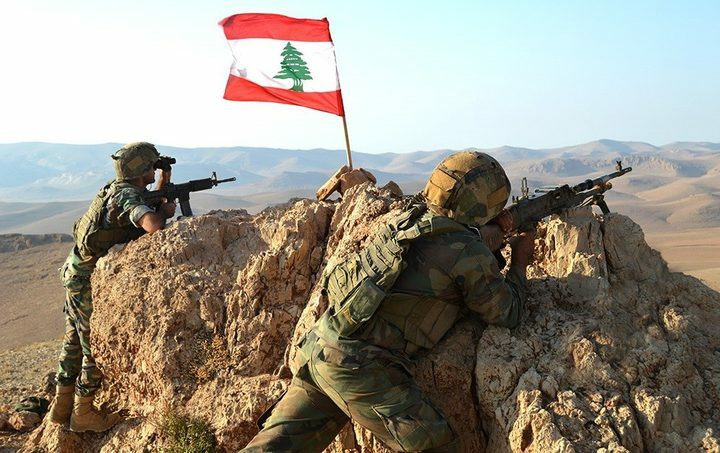
The Lebanese army announced on Sunday that two soldiers were killed in an Israeli strike, accusing Tel Aviv of directly targeting a military site belonging to it in southern Lebanon, where the Israeli army is fighting with Hezbollah.
The army said in a statement: "The Israeli enemy directly targeted an army center in the town of Mari-Hasbaya, which led to the death of one soldier and the injury of 3 others, one of whom is in critical condition."
Another statement reported that "a second soldier was killed after being injured as a result of the Israeli enemy directly targeting an army center in the town of Mari-Hasbaya."
Twelve Lebanese soldiers have been killed in Israeli strikes since the war between Israel and the Iran-backed Hezbollah broke out in September, according to a tally by AFP based on official data.
Sun 17 Nov 2024 3:47 pm - Jerusalem Time
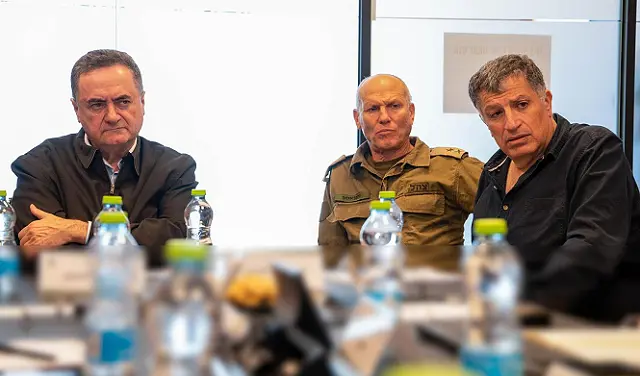
Mossad chief David Barnea will present a "new plan" prepared by the agency this evening, Sunday, with the aim of "moving" the negotiations for a prisoner exchange deal with Hamas, during emergency security deliberations held by Prime Minister Benjamin Netanyahu this evening, Sunday.
This came according to what was reported by Channel 13 Israel; the channel quoted a senior security source as saying that "the meeting comes in light of Hamas's rejection of the current proposals presented, which prompted the security services to prepare new proposals that will be reviewed during the discussion."
Earlier today, Israeli Defense Minister Yisrael Katz claimed during a visit to the Israeli army's prisoner command headquarters on Sunday that returning prisoners and missing persons is the "most important moral goal" among the priorities of Israel's genocidal war on the Gaza Strip.
During the visit, which was accompanied by the outgoing Director General of the Ministry of Defense, Eyal Zamir, Katz was briefed on the current situation by the head of the Prisoners and Missing Persons Command, retired Major General Nitzan Alon, retired Major General Yoav Mordechai, and other officials involved in this file.
A statement issued by the Ministry of Defense said that the briefing focused on intelligence and operational developments related to the Israeli prisoners held by the resistance factions in the Gaza Strip since October 7, 2023.
Katz claimed that the efforts to return the prisoners are being made without any "political considerations," and that he feels "additional motivation" from every meeting he holds with the prisoners' families and with the work teams. Katz pledged to "work with the security services in every possible way to return the prisoners to their homeland, whether they are alive or not."
It is noteworthy that Katz's statements come in the context of a broad media campaign that seeks to portray the Israeli efforts in this file as having an "ethical" nature, amid widespread criticism of the government's policies towards the file and repeated accusations by the prisoners' families that it has abandoned their sons.
Sun 17 Nov 2024 3:38 pm - Jerusalem Time
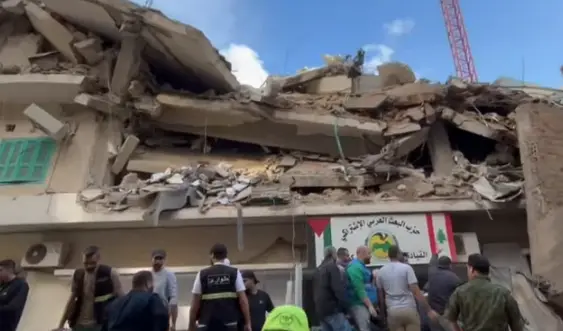
A Lebanese security source confirmed to Al Jazeera that Hezbollah media relations official, Mohammed Afif, was assassinated in an Israeli raid on the Ras al-Nabaa area in Beirut.
The Israeli raid targeted a building belonging to the Baath Party in the downtown area of the capital, Beirut, which led to a large displacement of residents, especially since the area is considered relatively safe.
Following the raid, the Israeli Army Radio said that "Mohammad Afif, Hezbollah's media relations official, was the target of the assassination in Beirut."
Hezbollah did not issue any comment on the news of Afif's assassination, while the Lebanese Ministry of Health said that "one person was martyred and three were injured in an Israeli enemy raid on the Ras al-Nabaa area in Beirut."
Sun 17 Nov 2024 3:21 pm - Jerusalem Time

Today, Sunday, the Israeli occupation forces arrested a truck driver after settlers attacked him on Al-Ma'rajat Road, northwest of Jericho.
Eyewitnesses reported that a group of settlers severely beat citizen Muhammad Qandil, a truck driver from the city of Jericho, on Al-Ma'rajat Road, before the occupation army arrested him and prevented Red Crescent crews from providing him with medical treatment.
Sun 17 Nov 2024 2:42 pm - Jerusalem Time
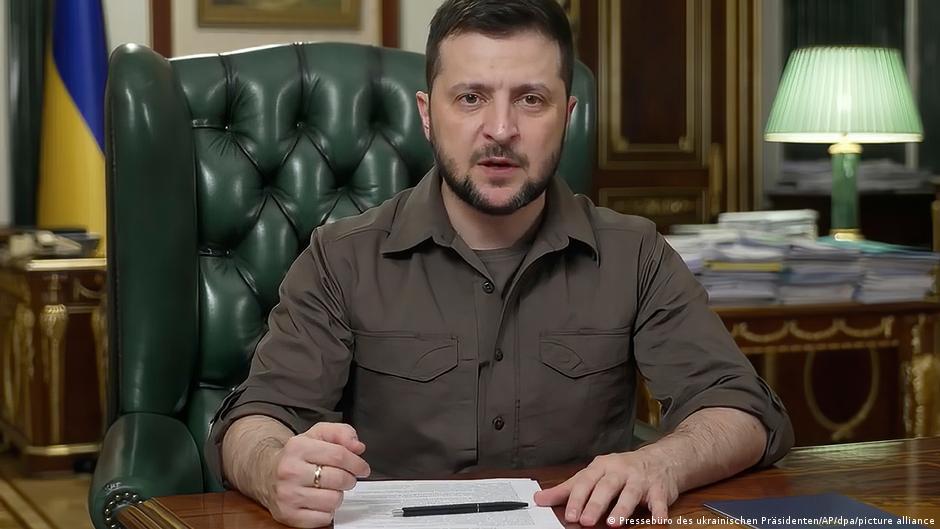
Ukrainian President Volodymyr Zelensky said on Saturday he wanted to end the war with Russia in 2025 "through diplomatic means," hoping the new US administration, led by President-elect Donald Trump, would help speed things up, as Russian factories build new lethal weapons to attack Ukraine.
"For our part, we must do everything possible to ensure that this war ends next year. We must end it by diplomatic means. I think this is very important," Zelensky told Radio Ukraine.
He added that he expects the new US administration, led by Donald Trump, to help end the war - which is approaching its 1,000th day - quickly, without providing details.
"The war will certainly end faster with the policies of the team that will run the White House... This is their approach, their promise to their society," Zelensky said, adding, "The war will end, but we do not know exactly when."
He stressed that he had a "constructive interaction" with Donald Trump during their phone conversation after his victory in the US presidential elections, noting that Trump "heard the foundations on which Kiev relies," while he did not hear anything that contradicted Kiev's position.
Trump, who will take office on January 20, has said he would seek a quick deal between Kiev and Moscow to end the war, but has not set out any terms, including what would happen, for example, to Ukrainian territory occupied by Russian forces since 2022.
Zelensky demands that any peace deal include Russia’s withdrawal from all Ukrainian territory, something Russian President Vladimir Putin rejects. The Ukrainian president also fears that U.S. support for his country will weaken as its forces struggle on the front lines, or that a deal will be imposed on it that would cede territory to Russia.
Japanese move
Meanwhile, Japanese Foreign Minister Takeshi Iwaya arrived in Kyiv on Saturday on an unannounced visit to discuss North Korea's deepening military alliance with Russia, including the deployment of thousands of troops to support Moscow's war in Ukraine.
After arriving in Ukraine by train from Poland, Iwaya will meet his Ukrainian counterpart Andriy Sebiha today, and talks with President Volodymyr Zelensky are likely later in the day, according to a Japanese foreign ministry official.
The ministry said Tokyo's "serious concern" over growing military cooperation between North Korea and Russia was at the top of the agenda.
According to US, South Korean and Ukrainian intelligence assessments, up to 12,000 North Korean troops have been sent to Russia as part of a major defense treaty between the countries.
Japan, along with the United States and other members of the Group of Seven major industrial nations, has supported Ukraine while imposing economic sanctions on Russia since the war began in February 2022.
Ukrainian soldiers take part in training at a shooting range in the Kharkiv region, northeastern Ukraine (AFP - Archive)
Russian attacks
Iwaya's visit comes after the Ukrainian capital was attacked by Russian drones, damaging residential buildings and infrastructure in the Obolon district of Kyiv. No casualties were reported.
The head of the military administration in Kyiv, Serhiy Popko, said that Ukrainian air defenses neutralized up to 12 drones. The Ukrainian air force reported that Russia attacked Ukraine with 83 Shahed drones in the early hours of Saturday morning.
She added that 55 of these planes were shot down, while 30 others deviated from their course or were lost after electronic jamming.
For its part, the Russian Defense Ministry said it had destroyed 35 Ukrainian drones, including 20 over the western Kursk region and 11 over the Bryansk region.
false goal
In a related development, an Associated Press report today said that a high-tech factory in central Russia has manufactured a new lethal force to attack Ukraine, consisting of a small number of highly destructive thermal drones surrounded by huge swarms of “foam traps.”
The agency quoted a source familiar with Russian production and a Ukrainian electronics expert as saying that the plan, which Russia has dubbed “Operation False Target,” aims to force Ukraine to spend scarce resources to save lives and maintain vital infrastructure, including the use of expensive air defense munitions.
"Radars, snipers and even electronics experts cannot spot the killer drones in the sky," they added.
Unarmed traps now make up more than half of the drones targeting Ukraine and up to 75% of new drones coming out of the factory in Russia’s Alabuga special economic zone, according to the source familiar with Russian production.
"The same factory produces a particularly lethal version of the Shahed drones armed with thermobaric warheads," he added, noting that "a small number of highly destructive drones are surrounded by huge swarms of cheap foam baits."
Sun 17 Nov 2024 2:03 pm - Jerusalem Time
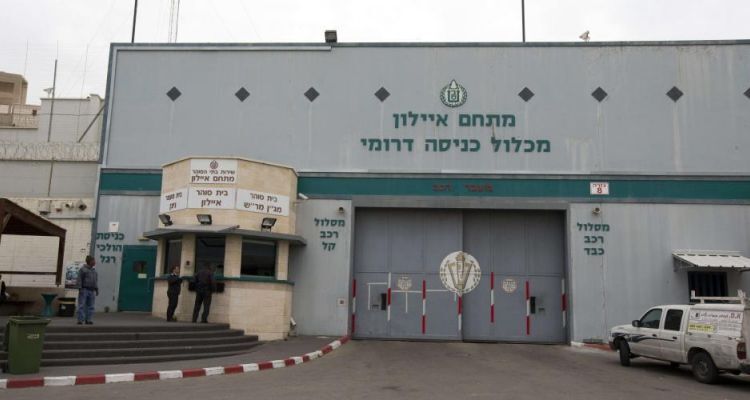
The Prisoners Club reported today, Sunday, that the number of martyred prisoners inside Israeli occupation prisons has risen to 43.
The club said in a brief statement, "With the martyrdom of the two prisoners, Samih Aliwi and Anwar Aslim, the number of martyred prisoners after October 7 has risen to (43), who have been martyred as a result of torture, abuse, and starvation, in addition to medical crimes."
He pointed out that this number is only those whose identities have been announced, in addition to dozens of martyr prisoners whose identities and circumstances of their martyrdom are still being concealed by the occupation, and other detainees who were executed, bringing the number of martyr prisoners whose identities are known since 1967 to (280).
Sun 17 Nov 2024 2:00 pm - Jerusalem Time

Today, Sunday, the Israeli occupation forces suffocated school students and arrested a young man in Tubas and Bethlehem.
In Tubas, the occupation forces arrested the young man, Muhammad Nidal Bani Odeh (20 years old), while he was passing through the Hamra checkpoint.
In Bethlehem, the occupation forces stationed in the "Tall" area in the Old City, where the school complex is located, fired gas and sound bombs at students as they were leaving their schools, which resulted in a number of them suffering from suffocation.
These forces pursued the students along the main street leading to the "Bababa" area and inside the neighborhoods.
It is noteworthy that a number of female students suffered from suffocation today, after the Israeli occupation forces stormed the town of Al-Khader and fired tear gas bombs at the female students of Al-Khader Elementary School, as they were entering the school.
Sun 17 Nov 2024 1:56 pm - Jerusalem Time
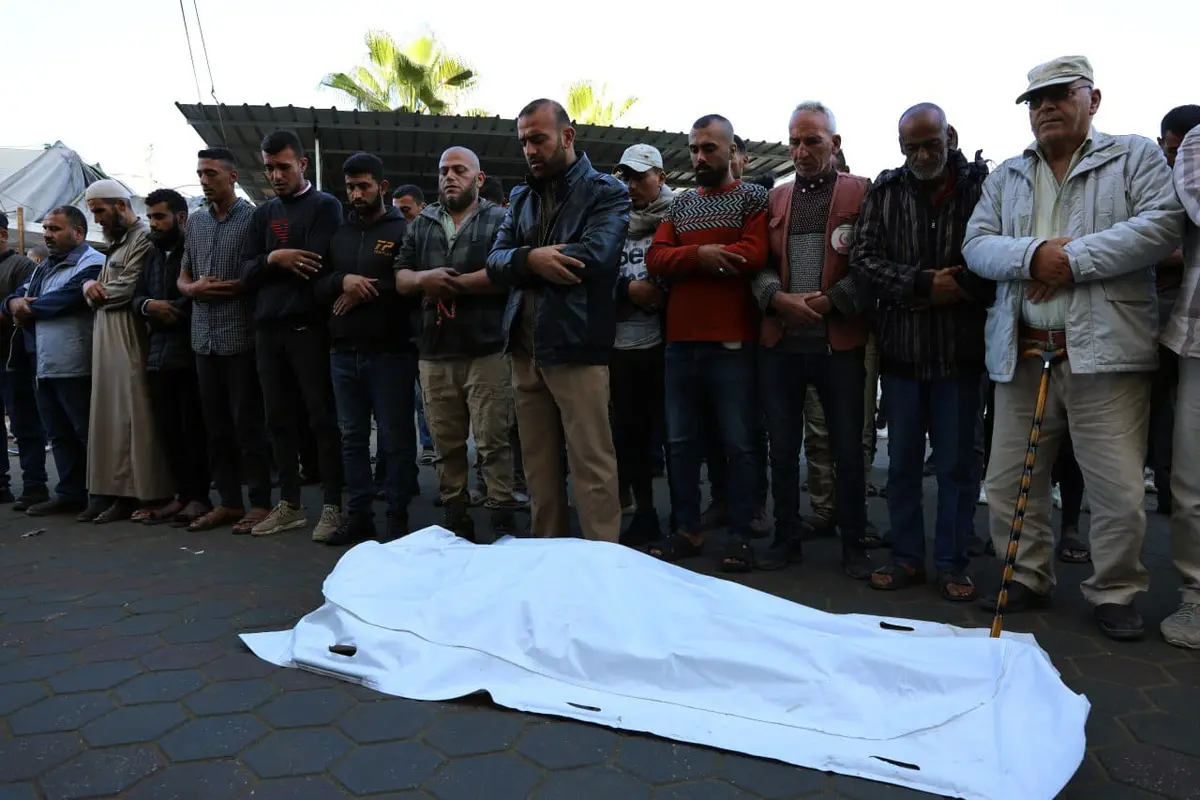
The Ministry of Health in Gaza announced today, Sunday, that the death toll in the Gaza Strip has risen to 43,846, the majority of whom are children and women, since the start of the Israeli occupation aggression on October 7, 2023.
She added that the number of injuries has risen to 103,740 since the beginning of the aggression, while thousands of victims are still under the rubble.
She pointed out that the occupation forces committed 6 massacres, which resulted in the death of 47 citizens and the injury of 139 others.
Sun 17 Nov 2024 1:54 pm - Jerusalem Time
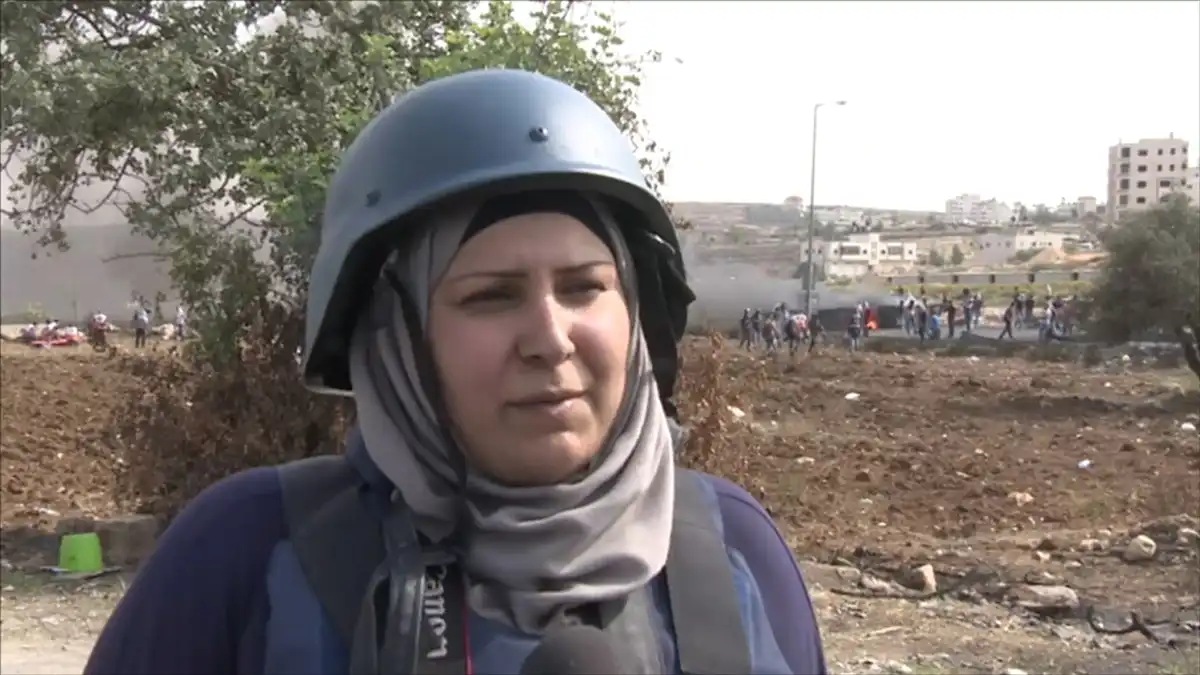
Today, Sunday, the military court of the occupation in the Salem camp sentenced the journalist colleague at the Palestinian News and Information Agency "Wafa", Rasha Harzallah, to prison and a fine.
The family stated in a phone call with the official news agency "Wafa" that the occupation court issued a sentence against colleague Harzallah to six months in prison, ending on December 1, in addition to a fine of 13 thousand shekels.
Our colleague Rasha Harzallah was arrested on June 2nd, after being summoned for investigation at the Huwara detention center. She is the sister of the martyr Muhammad Harzallah.
Herzallah is among about 94 journalists who have been arrested since the start of the war of extermination in Gaza. Among the journalists, there are four female journalists: (Rula Hassanein, Bushra Al-Tawil, Rasha Herzallah, and the journalism student at Birzeit University Amal Shujaiya), and at least 16 journalists from Gaza whose identities we were able to verify. Among the journalists, 17 are under administrative detention, according to the Palestinian Prisoners Club.
Sun 17 Nov 2024 12:21 pm - Jerusalem Time

Today, Sunday, the Israeli occupation forces arrested two young men east of Qalqilya.
Local sources said that the occupation forces stormed the village of Baqa al-Hatab, east of Qalqilya, and arrested the two young men, Imran Yousef and Baraa Louay, after raiding and searching their homes in the village.
The occupation forces set up a flying military checkpoint at the entrance to the village, stopped vehicles randomly, and checked the identities of their passengers.
Sun 17 Nov 2024 12:06 pm - Jerusalem Time
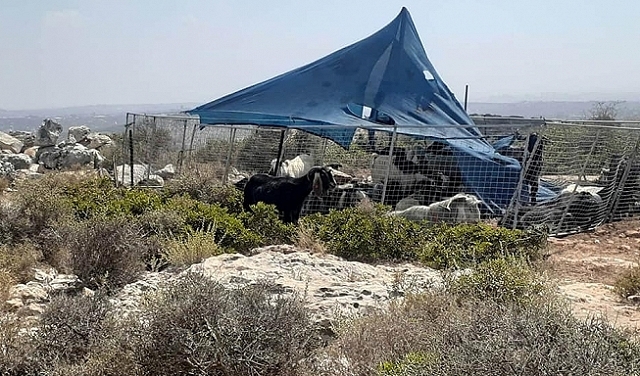
Today, Sunday, settlers set up a tent in Tel Rumeida in the center of Hebron, under the protection of the occupation army.
According to local sources, a number of settlers set up a tent near the new spring, on the land of the Qunaibi family in Tel Rumeida, under the protection of the occupation army.
She pointed out that this is the second time that the tent has been set up in the same place, with the aim of controlling the area near the "Ramatei Shai" settlement, which was built on citizens' lands in the middle of Hebron.
Sun 17 Nov 2024 11:36 am - Jerusalem Time

The Israeli police and the Shin Bet internal security service announced in a statement today, Sunday, the arrest of 3 suspects after two flares were fired, on Saturday evening, near the home of Israeli Prime Minister Benjamin Netanyahu, who was not present there.
"During the night, three suspects were arrested for their involvement in the incident," which took place in Caesarea in central Israel, the statement quoted by Agence France-Presse said, noting that they will be subject to a joint investigation by the police and the Shin Bet.
No information has been released about the suspects' identities or motives.
The statement said the court ordered a 30-day ban on publishing information about the investigation or the identity of the suspects.
In turn, the Israeli newspaper Yedioth Ahronoth reported that one of the suspects who were arrested is a senior reserve officer in the Israeli army, who participated in previous protests against Netanyahu.
On Saturday, a statement from the police and the Shin Bet said that "two flares fell at around 19:30 (17:30 GMT) in the courtyard in front of the prime minister's home," explaining that Netanyahu and his family were not at home when this dangerous incident occurred.
The source of the two bombs has not been determined.
Israeli President Isaac Herzog condemned the incident, warning of an "escalation of violence."
"I just contacted the head of the Shin Bet and stressed the urgent need to investigate," he said on the X platform, and to hold the perpetrators accountable "quickly."
On October 22, a drone was launched toward the same residence, hitting a “facility” in Caesarea, the Prime Minister’s Office announced at the time.
Netanyahu, who was also not at his private residence at the time, accused Hezbollah, an ally of Iran, of trying to assassinate him and his wife, threatening Iran and its allied factions that they would pay a heavy price.
Three days later, Hezbollah claimed responsibility for the attack.
Sun 17 Nov 2024 11:25 am - Jerusalem Time
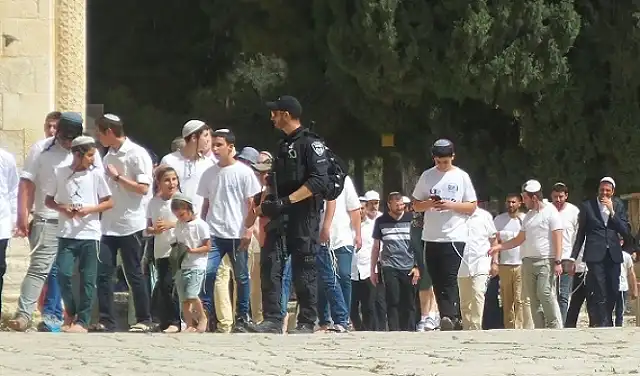
Dozens of settlers stormed the Al-Aqsa Mosque in occupied Jerusalem today, Sunday, under the protection of the Israeli occupation police.
Local sources reported that 268 settlers stormed Al-Aqsa Mosque in groups, carried out provocative tours in its courtyards, and performed Talmudic rituals.
Sun 17 Nov 2024 11:21 am - Jerusalem Time
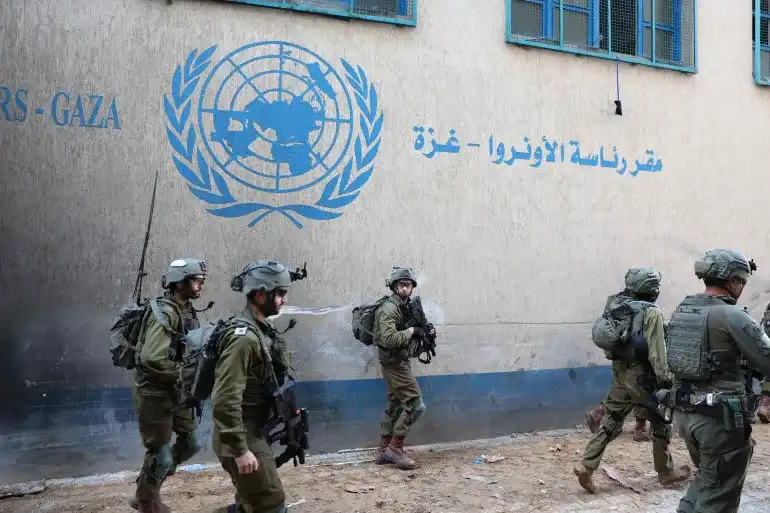
Tomorrow, Monday, the meetings of the Advisory Commission of the United Nations Relief and Works Agency for Palestine Refugees (UNRWA) will begin at the United Nations headquarters in the Swiss city of Geneva, with the participation of about 30 permanent member states, representatives of the Arab countries hosting Palestinian refugees, the donor countries to the agency, the European Community, and the League of Arab States.
Ahmed Abu Holi, a member of the Executive Committee of the Palestine Liberation Organization, said that the meetings of the UNRWA Advisory Commission are being held amid international, UN, regional and Arab warnings about the dangers of Israeli legislation that undermines its mandate, the major challenges facing its work in operational, financial and political contexts, and its immediate and future impact on the lives of Palestinian refugees in its five areas of operation, and on UNRWA’s mandate and the stability of the region.
He added that the Advisory Committee will discuss the serious Israeli measures, including attacks on its buildings and staff, and the new legislation adopted by the Israeli Knesset last October, regarding banning its activities and cutting off communications with it, and canceling the 1967 bilateral agreements, which violate the UN Charter and its resolutions, and the impact of Israeli laws on the implementation of UNRWA’s mandate issued by the General Assembly.
He stressed that the members of the Advisory Committee will discuss during the meetings the mechanisms for continuing UNRWA's work in its five areas of operation, and limiting the impact of laws on its mandate, including moving towards preventing Israel from implementing its laws.
Abu Holi continued: UNRWA's operations in the Gaza Strip, one year after the Gaza war, will be present at the meetings, and will provide a briefing on its operations in the Gaza Strip, its emergency humanitarian interventions, including its relief, health and educational services, the challenges facing its work in light of the Israeli occupation forces targeting its employees, facilities and shelters, and the future impact of Israeli laws on its emergency humanitarian interventions.
He added that the reforms adopted by UNRWA in the work of its programmes and the extent of their response to the previous recommendations issued by the Advisory Commission will be discussed, in addition to reviewing the progress made in implementing the recommendations contained in the report of the External Review Group (the Colonna Report), including the amended implementation plan and the results framework.
Abu Holi stated that the Palestinian delegation will stress the need to take action to confront Israeli legislation and oblige Israel not to implement it and respect UNRWA’s mandate, privileges and diplomatic immunity. He urged UNRWA to create new windows to mobilize financial resources to cover the financial deficit in its 2024 budget and ensure financial stability, and urged member states to sign multi-year funding agreements with UNRWA to secure adequate and sustainable funding.
Abu Holi warned against attempts to dismantle UNRWA and end its work, and against implementing Israeli laws that would affect its mandate and its five areas of operation, as well as the work of its educational, health and relief programmes, and the security and stability of the region, stressing that there is no alternative to UNRWA, and it will continue its duties until a political solution is found for the refugee issue in accordance with the relevant UN resolutions, most notably resolutions 194 and 302.
Sun 17 Nov 2024 10:08 am - Jerusalem Time
The Palestinian Ministry of Health condemned the occupation forces' attack, yesterday evening, on the Cooper Clinic, northwest of Ramallah.
The ministry added in a press statement, today, Sunday, that a force from the occupation army raided the clinic and broke its doors to climb to its roof.
She pointed out that the series of repeated attacks on medical and health facilities represents the occupation's continued violation of international laws and norms, calling on the international community to intervene to protect the Palestinian health sector.
Sun 17 Nov 2024 9:53 am - Jerusalem Time
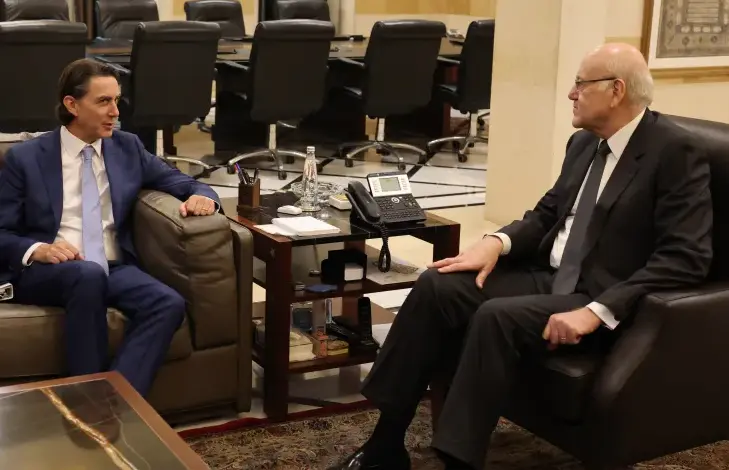
Israeli media reported that Amos Hochstein, US President Joe Biden's advisor and envoy to Lebanon, will arrive in Israel next Wednesday after a visit to Lebanon, as part of efforts to reach a ceasefire agreement.
The Israeli Broadcasting Corporation quoted political sources as saying, "Tel Aviv expects significant progress in the ceasefire talks with Lebanon, during the coming week, coinciding with Hochstein's visit."
For its part, the Israeli Kan channel revealed some details of the draft settlement agreement between Lebanon and Israel, and indicated that the proposal stipulates the placement of 5,000 Lebanese soldiers in the southern regions of the country, a pledge from Israel not to attack Lebanon, and the redrawing of the land borders between the two countries.
On Friday, the Broadcasting Authority said that Israel is awaiting a Lebanese response to the American proposal for a ceasefire within a few days.
The proposal, according to the Broadcasting Authority, includes Hezbollah and Israel's commitment to Security Council Resolution 1701, and the deployment of the Lebanese army as the sole armed force in southern Lebanon, alongside UNIFIL forces.
It also includes preventing the rearmament of unofficial armed groups in Lebanon, and that any sale of weapons to Lebanon or their production within it will be under the supervision of the Lebanese government.
Exclusive powers
It also includes granting the Lebanese security forces the authority to “supervise the entry of weapons across the Lebanese border and supervise facilities not recognized by the government that produce weapons, dismantle them and dismantle any armed infrastructure that does not abide by the obligations contained in the agreement.”
According to the Broadcasting Authority, the American proposal also includes Israel's withdrawal from southern Lebanon within 7 days to be replaced by the Lebanese army under international supervision, in addition to disarming armed groups south of the Litani River within 60 days of signing the agreement.
It is noteworthy that since September 23, Israel has expanded the scope of its war on Lebanon to include most areas, including the capital, through air strikes. The occupation army also began a ground invasion of the south.
The Israeli aggression resulted in a total of 3,445 deaths and 14,599 injuries, including a large number of children and women, in addition to about 1.4 million displaced persons, according to official Lebanese data.
On a daily basis, Hezbollah responds by launching missiles, drones, and artillery shells targeting military sites, intelligence headquarters, military gatherings, and settlements. While Israel announces some of its human and material losses, the military censorship imposes a strict blackout on most of the losses, according to observers.
Sun 17 Nov 2024 9:48 am - Jerusalem Time
Opinion Writer
On Friday, October 25, the United Nations High Commissioner for Human Rights, Volker Türk, warned in a video that northern Gaza was experiencing its “darkest hour,” and denounced the “catastrophic” humanitarian situation in which the Palestinian population finds itself, subjected to “bombardment” and “famine,” warning that Israel’s actions could amount to “criminal atrocities” (1). On the same day, the Parisian newspaper Le Figaro published an article by its Jerusalem correspondent, Guillaume Deleufol, entitled: “A situation worse than horrific,” in which he indicated that the humanitarian situation is “catastrophic” in the northern Gaza Strip, which has become “the scene of bombardment, street fighting, famine and the displacement of civilians,” as “the Israeli army issues evacuation orders one after the other, forcing the population to flee from one place to another, with no exit strategy” (2).
"The smell of death is everywhere"
Since October 6, the Israeli occupation army has been launching a large-scale attack on the northern Gaza Strip, during which it imposed a complete siege on three towns: Beit Hanoun, Beit Lahia, and Jabalia and its camp. On October 12, it declared the northern Gaza Strip a “closed military zone,” calling on all residents to move south, after imposing a ban on the distribution of food, water, and fuel. To starve the population, on October 8, the occupation army bombed the last bakery that was still operating with difficulty in the north, due to the lack of flour bags that were able to cross the checkpoints.
While 17,000 residents left their homes, according to the Ministry of Health, most residents refused to comply with the evacuation orders, “knowing full well that they would not be safer in the Mawasi area in the south, and that they would never be able to return to their homes if they obeyed the army,” which “built earthen barriers to prevent Palestinians from moving towards neighboring Gaza City, forcing them to flee south through a single outlet, Salah al-Din Street” (3). A widely circulated video clip, filmed by an Israeli soldier and circulated by the media, showed images of “hundreds of people lined up among the rubble waiting to be evacuated,” where, according to the British Sky News channel, “men are separated from women and children, their identity cards are checked, while bodies are left on the roads,” because ambulances cannot reach them, so that “the smell of death is everywhere” (4).
Testimonies of a real humanitarian disaster
Foreign journalists, who have been prevented by the occupation army from entering the Gaza Strip, are trying to capture testimonies of the atrocities taking place in the north, from the city of Jerusalem, especially through WhatsApp. On the 24th of this month, Alice Frossard, a correspondent for Radio France Internationale, reported on the testimony of some civilians about “a siege within a siege for about 20 days, and the killing of 770 Palestinians, in the absence of food, water, medical supplies, ambulances and teams.”
She also quotes Amina, “who was held in a shelter in Jabalia for two weeks,” saying, “The situation was very difficult. There was no food or water, and the shelter we were in was bombed, killing and wounding people, and there was no passage for ambulances, so many died from their wounds.” She mentions that the remaining residents of the north “talk about the artillery shelling and massacres that took place around Kamal Adwan Hospital, which is surrounded by tanks,” and whose director explains, “We are losing one person every hour due to lack of equipment” (5).
The same correspondent had published an article on the 22nd of the same month, in which she indicated that “since Monday, October 21, a video clip filmed by a journalist on the scene has been circulating on social media, showing a woman outside Jabalia camp screaming in despair: ‘Who was killed? Oh God, oh God, all of them! ’” The video shows “dozens of blood-stained bodies lying on the ground on the stairs of a UNRWA shelter in Jabalia camp, including the remains of women and children,” in the absence of ambulances to transport the wounded, which “made everyone face indescribable terror.”
She adds that the only Gazans who can be contacted are the displaced, “who managed to leave the area and cross the checkpoints without being shot by Israeli soldiers,” including Nasser, who says: “What is happening to us in the north is not normal, as entire families have been killed. Why is this happening to us, and where are human rights?!” (6).
Another correspondent for Radio France Internationale in Jerusalem, Sami Boukhalifa, reported on the 21st of this month the testimony of a young woman from the northern Gaza Strip, who preferred not to reveal her identity. She fled the bombing and took refuge with her children in the Khan Yunis area months ago, leaving behind her parents, grandparents, brothers, sisters and cousins. She began by saying: “All of my relatives in the north are being exterminated.” She then explained that her family “lives in the Al-Alami neighborhood in Jabalia, where some of her relatives died and others were wounded after the family home was bombed and burned, leaving nothing behind.” She added: “The last message I received from my sister who lives in the north was three days ago. I begged her to flee and told her that her life was worth much more than her home, but at the same time, I said to myself: Where should she flee? Everywhere is being bombed, the streets are full of tanks, and as soon as a person leaves his home, the Israelis shoot him and his children.” (7)
UNRWA and humanitarian organizations warning
On 24 January, UNRWA spokesperson Louise Waterridge noted in a memo that the agency was “receiving desperate appeals from colleagues and friends in northern Gaza,” where “the population is suffering from a sharp increase in malnutrition and hunger.” “We continue to warn that ongoing military operations are putting tens of thousands of civilians at grave risk,” she wrote. “The toll of death, injury and destruction is appalling, and the sick and wounded are being denied vital health care.” While displaced families from the north are “deeply frustrated by the horrors they face,” people suffering under the Israeli blockade are “exhausting all available means of survival,” as “fuel to operate water facilities has run out, forcing people to risk their lives to find drinking water or to consume water from unsafe sources.”
In addition, “there are no longer any UNRWA medical centres operating in the northern Gaza governorate”; while UNRWA teams “are prepared to provide services in shelters, they need medical equipment to do so.” The memo adds that “the third phase of the polio vaccination campaign in northern Gaza, which was intended to vaccinate some 120,000 children, has been postponed due to the escalation of violence, heavy shelling and mass displacement orders.” The memo adds that “ongoing attacks on civilian infrastructure continue to undermine security and movement of people in northern Gaza, preventing families from safely taking their children for vaccinations and preventing health workers from working.” Ms. Louise Waterridge appealed to the relevant parties to “facilitate the vaccination campaign in the north through the implementation of humanitarian pauses” (8).
Hospital siege and attack
After its tanks and bulldozers returned to the northern Gaza Strip, the Israeli army ordered the evacuation of three hospitals in the area: Kamal Adwan Hospital, Al-Awda Hospital and the Indonesian Hospital, after imposing a siege on them. It is believed that more than 350 patients are trapped inside these hospitals, including pregnant women and people who have just undergone surgery, who require ongoing medical treatment and cannot be discharged. “The escalation of violence and the ongoing Israeli military operations that we have witnessed over the past two weeks in the northern Gaza Strip will have serious consequences.”
“It is absolutely essential that the few health facilities that are still functioning are protected,” says Anna Halford, MSF’s emergency coordinator in the Gaza Strip. “This is simply collective punishment imposed on Palestinians in Gaza, who must choose between forced displacement or death.” She believes that Israel’s allies “bear a heavy responsibility for this catastrophic situation, resulting from their unwavering support for the war,” and must “immediately do everything in their power to achieve a lasting ceasefire, not tomorrow, not in a week, but now.”(9) As these lines were being written, news spread that the occupation forces had stormed Kamal Adwan Hospital in the town of Beit Lahia, arrested a number of medical staff and patients, and then withdrew after leaving behind extensive destruction. Another report came in that the occupation forces had shelled a residential area on the outskirts of the town, resulting in dozens of deaths and injuries.
Sderot: "Preparing for Settlement" Conference
The extremist settler movement Nahala, which supports the establishment of settlement outposts in the occupied West Bank, called for a conference under the slogans “Preparing for Settlement” and “It Can Be Done,” to restore Jewish settlement in the Strip and push Palestinians to leave their lands. This goal was previously limited to small groups of extremist settlers, but it has gained increasing support as the war waged by Benjamin Netanyahu’s government on the Strip continues. In addition to representatives of the Religious Zionism and settler movements, no less than 10 of the 32 Likud MKs are participating in the conference, as well as a number of its ministers. The invitation to the conference stated: “A year after the massacre, we declare that Gaza is ours forever.” Daniela Weiss, head of Nahala and a resident of one of the settlements in the occupied West Bank, declared on the eve of the conference that “after October 7, the Arab presence in Gaza will end, and the Jews will return to their settlements and establish new ones” (10).
The conference was held on October 21 in the town of Sderot, which borders the Gaza Strip and was built on the lands of the abandoned village of Najd. In her speech, May Golan, the Minister of Social Equality for the Likud Party, declared her support for settlement in the Strip, calling for “the expulsion of Palestinians from their homes as punishment for the events of October 7,” and considering that “any means to prevent the kidnapping of people again, or the killing of men and women, is legitimate, such as the deportation of families or the deprivation of citizenship, but what hurts the Palestinians more than people’s lives is the seizure of land,” and she concluded that “the Jewish presence in Gaza strengthens Israel’s security.”
Minister of National Security Itamar Ben-Gvir stressed in his speech that “encouraging the emigration of Palestinians from the Gaza Strip is the best and most moral solution to the conflict,” adding that this should not be done “by force,” but rather the residents of Gaza should be told that Israel “gives them the opportunity” to go to other countries. Finance Minister Bezalel Smotrich supported the idea of rebuilding settlements in the Gaza Strip, announcing on the way to the conference in a tweet on the social network “X” that the lands that Israel had given up in the past had turned into “advanced Iranian terror bases, and endangered the country,” referring to the unilateral disengagement from the Gaza Strip in 2005, considering the Gaza Strip “part of the Land of Israel,” and that “without settlements there is no security,” adding that “today’s conference is part of a process of awareness and general mobilization [of the people], and aims to develop a pioneering and Zionist settlement process.”
Daniela Weiss stated that “wars cause major refugee problems, and that October 7 changed history, so that the Gazan Arabs no longer have the right to live here after the brutal massacres.” She added, “We came here to resettle in the entire Gaza Strip, from north to south, not in a part of it,” noting that the Nahala organization had formed “six groups of settler residents, including 700 families, who are already ready to establish new settlements in Gaza, when the opportunity arises.” Likud MK Ariel Kallner declared in his speech that “settlements mean absolute victory,” referring to the mantra that Benjamin Netanyahu has been repeating since the start of the war on the Gaza Strip. He added, “What they consider the abode of Islam will become the abode of the Jews,” stressing that the settlements “improve security.”
After the speeches of the ministers and representatives participating in the conference, it was the turn of the settlers. Haim Waltzer, a resident of the Eviatar settlement outpost in the northern West Bank that was legalized by the government, spoke. Before 2005, he lived in the Gush Katif settlement bloc in the Gaza Strip. He stressed that “settling the land is my life’s mission, and the real reason for that is that God commanded us to do so when He gave us the land 3,000 years ago, as written in the Old Testament.”
Another reason that “motivates us to settle in the Gaza Strip is that it brings peace,” he added, “We are a nation of peace, and we only want peace, but I don’t think there is a partner with whom we can make peace; therefore, the only way to ensure calm in Tel Aviv is to resolve the Gaza issue – it’s the only way for them to feel defeated. The only thing that matters to them is the land, and when we take it from them and settle in it, that’s the only thing that gives them the impression that we won and they were defeated!” Oved Hogi, head of the Likud “Yad Eliyahu” branch in Tel Aviv, was “more modest” in his demands, calling for “separating northern Gaza from the coastal territories and allocating its lands to the kibbutzim and other Israeli communities in the border area with Gaza, for the purposes of settlement and development, and maintaining Israeli control over the strategic Philadelphi Corridor,” considering that “the Arabs must lose their lands during the war, so that they remember that they lost,” and that “losing lands” should be “the punishment for the October 7 pogrom” (11).
The conference saw workshops organised by pro-settlement activists linked to the Nahala movement to give instructions on how to build new settlements from scratch, as the movement has done on numerous occasions, including the establishment of the Eviatar outpost.
Finally, while the Israeli occupation army claims that its brutal attack on the northern Gaza Strip aims to “prevent Hamas from reorganizing and re-emerging,” many analysts see what this army is doing as “ethnic cleansing” as part of a strategy aimed at paving the way for the possibility of annexing or even settling the Gaza Strip or large parts of it. Will this dangerous Zionist plan succeed? Only the Palestinian people have the answer to this question.
Sun 17 Nov 2024 9:21 am - Jerusalem Time

Dr. Omar Rahhal: The paper ignores the real causes of the conflict and attempts to dismantle the unified position between the Palestinian and Lebanese resistances
Adnan Al-Sabah: The main goal of the Americans and Israelis in their current efforts is to break the unity of the arenas between the resistance factions
Dr. Tamara Haddad: Lebanon’s approval of the paper may indicate Iranian pressure on Hezbollah and the existence of a secret deal between Washington and Tehran
Firas Yaghi: The American paper is a political maneuver that seeks to serve Netanyahu’s interests to maintain the status quo until Trump takes over
Dr. Ashraf Badr: The paper lacks the foundations of balance, as it is unilateral dictates that do not take into account the principle of negotiation that guarantees the interests of both parties.
Samir Anabtawi: The American paper will not achieve success because it carries conditions close to surrender, which the Lebanese resistance rejects
The United States of America is trying to calm the situation in Lebanon by presenting a draft paper that aims to calm the situation there, amid warnings that the main goal of this paper is to try to break the unity of the resistance ranks between the Lebanese and Palestinian arenas, in the service of Israeli and American interests.
In separate interviews with “I”, writers and political analysts believe that the United States is seeking to manage the crisis rather than solve it, by trying to dismantle the cohesion between the Palestinian and Lebanese resistances.
Writers and analysts confirm that it is difficult to separate the Lebanese front from the situation in Gaza, especially since the statements of Hezbollah Secretary-General Hassan Nasrallah emphasized the importance of cohesion between the resistance fronts, as a testament to his continuation, and the sacrifices made by Hezbollah and the attempt to impose the terms of its surrender make it difficult to implement the paper.
They believe that the American paper lacks sustainable solutions, and that there are clauses in it that raise widespread controversy within Lebanese circles, especially those related to preventing the arming of Hezbollah and ensuring international oversight.
Washington is not currently interested in a ceasefire in Gaza or Lebanon
The writer, political analyst and director of the Shams Center for Human Rights, Dr. Omar Rahhal, explains that the current US administration does not seem serious about ending the aggression on Lebanon, as it is betting on the last moments of its life, and prefers to leave the files of the war in Gaza and Lebanon for the next US administration headed by Donald Trump to face.
Rahhal confirms that Washington is not currently interested in a ceasefire, whether in Gaza or Lebanon, pointing out that the latest American paper aims to grant Israel freedom of response and military action in Lebanon, which reflects a clear bias in favor of the occupying state.
Rahhal points out that the main obstacles facing the American paper lie in the fact that it is biased and does not offer any radical solutions, but rather seeks to contain the situation and manage the crisis instead of addressing it from its roots.
Rahhal asserts that this paper ignores the real causes of the conflict in the region and contributes to complicating the scene, and aims to create a gap between the Palestinian resistance in Gaza and its Lebanese counterpart, in an attempt to dismantle the unified position between the two resistances, which reinforces the idea of separate paths and partial solutions to circumvent the unity of the resistance ranks in the region.
Regarding the timing of the paper’s presentation, Rahhal believes that the United States is seeking to send messages to Arab countries and their allies in the region, with the aim of preempting any Arab or Islamic political move that could be proposed to hold Israel accountable or impose international pressure and sanctions on it.
Rahhal points out that this American step also comes to relieve the embarrassment of the Arab countries that have normalized their relations with Israel, which makes the paper a means of protecting these countries from criticism, especially after the recent Arab-Islamic summit in Riyadh.
On the other hand, Rahhal stresses that after the great sacrifices made by Hezbollah, and the continuous crimes committed by Israel against the Lebanese, it is unlikely that the arenas between Lebanon and Gaza will be separated, or that the Lebanese resistance will turn its back on the Palestinian resistance in Gaza, as the resistance in Lebanon realizes the sensitivity of matters and the importance of cohesion in confronting the Israeli aggression and is aware of the effects of the aggression from the beginning.
The war of extermination will continue in light of Arab and international silence
Rahhal asserts that as long as the Arab positions remain silent regarding the Israeli aggression on Gaza, and the international community seems unable to curb Israeli Prime Minister Benjamin Netanyahu, the war of extermination will continue.
Rahhal explains that the absence of international pressure on Netanyahu gives him a green light to commit more crimes against the Palestinians in Gaza, which means the continuation of the suffering of the Strip, and the escalation of Israeli settlement projects. Without decisive intervention from the international community, Gaza will continue to face the risk of genocide and ongoing attacks.
The unity of the arenas is the biggest obstacle to achieving the American project
Writer and political analyst Adnan Al-Sabah asserts that the ceasefire in Lebanon is not a decision that depends solely on the American or Israeli will, but is closely linked to the will of the resistance and the position that Hezbollah announced a long time ago.
Al-Sabah refers to the statements of Hezbollah Secretary-General Hassan Nasrallah, before his martyrdom, which confirmed that the battle in Lebanon is deeply connected to the situation in Gaza, and that any ceasefire in Lebanon must be part of a comprehensive cessation of operations in all arenas of the axis of resistance, which has not been achieved so far.
Al-Sabah explains that the main goal of the Americans and Israelis in their current efforts is to break the unity of the arenas between the resistance factions in the region.
Al-Sabah points out that this unity constitutes the biggest obstacle to achieving the American project, which the United States seeks to impose through the last paper presented to the concerned parties.
Al-Sabah confirms that the terms revealed in the official Israeli media, although they may seem applicable on paper, lack basic guarantees, and the main challenge remains the continuation of the unity of the resistance fronts, which is something that Hezbollah will not accept to give up.
Al-Sabah refers to Hezbollah's firm position, which Nasrallah has repeatedly confirmed, that supporting the resistance in Gaza and solidarity with the various arenas in the axis of resistance is something that cannot be reversed.
Al-Sabah stresses that Hezbollah has enjoyed high credibility in its political positions and behavior over the years, which reinforces confidence that the party will not agree to any ceasefire that does not take into account the interests of Gaza and the unity of the arenas from which Hezbollah launched from the first moments.
Al-Sabah stresses that Gaza, at this critical moment, is in dire need of support and steadfastness from all arenas more than ever before, and that abandoning Gaza and leaving it alone to confront the aggression would be a step that no party of the resistance can bear.
Al-Sabah believes that any withdrawal from the resistance axis’ support for Gaza will not only be a stab in the back, but will also negatively affect the credibility of the resistance factions in the eyes of the peoples of the region.
Al-Sabah refers to the enormous pressures that Hezbollah is exposed to, both from within Lebanon and from abroad, and to the violent attacks launched by the Israeli occupation on Lebanon.
However, Al-Sabah believes that the party will not move towards a ceasefire without a clear connection to the situation in Gaza, while fully aware of the complexity of the scene and the great pressures that Lebanon is suffering from.
US administration seeks to ensure war ends before Trump takes office
Writer and political researcher on regional affairs, Dr. Tamara Haddad, explains that the draft paper presented by the US Ambassador to Lebanon is still under discussion among the Lebanese parties, as the draft came as an agreement between the current US President Joe Biden and President-elect Donald Trump, with the aim of reaching a ceasefire before the transfer of power to Trump.
Haddad believes that the US administration is seeking to ensure that the current war ends before Trump assumes his duties in the White House, which is why it has presented this paper as part of intensive efforts to calm the situation in the region.
According to Haddad, the draft refers to clauses that have sparked sharp disagreements, especially with regard to Israel’s role in the event that the Lebanese army and international forces are unable to implement what is stated in the paper. These clauses revolve around two main issues: the first relates to the Lebanese army’s ability to prevent Hezbollah from arming itself in southern Lebanon and pushing it back beyond the Litani River, and the second relates to stopping the smuggling of weapons from Syria to Lebanon. The paper also stipulates the formation of an international committee to supervise the implementation of these clauses, consisting of the United States, Britain, and an Arab country, so that it coordinates with the United Nations forces (UNIFIL) to ensure the implementation of Resolution 1701.
Haddad points out that despite the importance of this paper, no official response has been issued so far by Hezbollah, which is witnessing a divergence of positions within Lebanese circles, as some parties tend towards conditional acceptance, while others continue to refute the terms and discuss them.
Haddad explains that these developments regarding the draft come at a time when Israel is suffering from military difficulties, as its army has not succeeded in achieving tangible ground progress, which has resulted in deaths and injuries among its soldiers, and has burdened the Israeli budget. In addition to that, there is the restlessness of the settlers who want to return to their homes, and the refusal of many Haredim to participate in compulsory conscription.
Haddad confirms that Israel fears entering a long-term phase of attrition, which prompted the United States to work seriously to achieve a ceasefire.
Haddad explains that the US administration believes that achieving this goal before the transfer of power to Trump will give him an opportunity to advance his agenda in the region, which includes normalizing relations with Middle Eastern countries and reducing wars while maintaining Israeli national security. However, if the paper fails to achieve tangible results, the war is likely to continue, which will constitute an additional burden on the US economy.
Haddad points out that Lebanon's approval of the paper may indicate Iranian pressure on Hezbollah to accept it, which means that a secret deal was made between the United States and Iran.
Haddad points out that the possibility of Hezbollah’s approval hints at an unannounced meeting between American businessman Elon Musk and an Iranian delegate, as data indicates Iran’s readiness to reduce its support for its arms in the region in exchange for economic gains, such as the nuclear agreement, lifting sanctions, and strengthening American investments in Iran.
Gaza will be the biggest loser
On the other hand, Haddad believes that Gaza will be the biggest loser in this equation, as its vision differs from Lebanon's regarding Israeli dealings.
Haddad explains that Israel has largely been able to weaken Hamas's military capabilities, while the war there is still ongoing.
Haddad expects that Israeli Prime Minister Benjamin Netanyahu will exploit the situation in Gaza to escape his internal impasse and corruption trials, expecting that he will prolong the war until he finds a suitable Palestinian administration that guarantees Israel's strategic interests.
Haddad points out that the proposed scenarios could lead to a major demographic and geographic change in Gaza, as Israel seeks to restructure the area to serve its settlement goals, while the Palestinian people in Gaza remain the main victim of these transformations.
The draft paper is "mined".
Writer and political analyst Firas Yaghi believes that the American paper that aims to end the ceasefire in Lebanon is nothing but a political maneuver that seeks to serve the interests of Israeli Prime Minister Benjamin Netanyahu, who aims to maintain the status quo in both Lebanon and the Gaza Strip until Donald Trump takes over the reins of power in the American administration and reaches the White House.
Yaghi points out that Netanyahu confirmed in a recent political security meeting that the coming period, which extends over the next two months, will witness a maneuver with the administration of President Joe Biden, stressing that this American card had been discussed in advance with Trump and his team before it was presented to the current administration.
Yaghi confirms that the draft of this paper is "mined" and includes conditions that Hezbollah and the Lebanese resistance cannot accept, and that the main obstacles in it relate to the mechanism of supervision and monitoring associated with the implementation of Resolution 1701.
According to Yaghi, the first issue in implementing the resolution requires an Israeli withdrawal beyond the Blue Line and a cessation of air violations of Lebanese airspace, while obligating Hezbollah not to appear militarily in the south.
Yaghi points out that the second issue is the expansion of the agreement’s supervision committee to include countries such as France, America, Britain, and perhaps Germany. There is even talk of involving an Arab country, which means transferring the responsibility of monitoring the situation to the Lebanese army and UNIFIL forces, which could lead to a direct clash between the Lebanese army and Hezbollah, which constitutes a tight trap that seeks to transfer the strife to southern Lebanon.
Yaghi believes that the American proposals aim to paralyze Hezbollah's ability to move south of the Litani River, which he believes Hezbollah will not accept, especially since many villages in the south are suffering from Israeli destruction, and the Lebanese government is unable to rebuild them in light of its financial crises.
Here, Yaghi warns that the United States is seeking to reformulate Resolution 1701 in a new way, through a monitoring mechanism that is clearly biased in favor of Israel.
Any separate agreement in Lebanon will mean leaving Gaza alone
On another level, Yaghi explains that any separate agreement in Lebanon would mean leaving Gaza alone, but he points out that the Lebanese resistance does not seem to be heading towards a separate deal, which strengthens the unity of the fronts between Lebanon and Gaza.
In the same context, Yaghi points out that Netanyahu seeks to achieve a comprehensive deal with Trump that includes both Gaza and the West Bank and normalization with Arab countries, most notably Saudi Arabia.
Yaghi asserts that Netanyahu prefers to postpone any ceasefire agreements so that he can present them as a gift to Trump when he returns to power.
Yaghi points out that Netanyahu realizes that the Lebanese front puts him in a difficult position, especially with the continued attacks on the Israeli interior, and the resulting psychological, economic and security repercussions on Israeli society. The military operations in the north and south cause deaths and injuries, force Israelis to take refuge in shelters, and freeze economic activity in large areas, which leads to destabilizing the state and undermines the claim that it has been a safe haven for Jews since its founding in 1948.
Regarding Gaza, Yaghi believes that the Palestinian resistance will continue to fight in defense of its cause, because the essence of the current conflict revolves around liquidating the Palestinian cause by eliminating the resistance in the Strip.
Yaghi points out that Israel plans to annex the West Bank first and then Judaize the holy sites in Jerusalem, which cannot happen unless the resistance in Gaza is broken, which is what Israel seeks to achieve, despite its exhaustion on the southern and northern fronts.
Yaghi warns that the next Trump government will be fully supportive of Netanyahu's plans, especially since Trump's new team consists of extremist figures, whether against Iran and China, or in support of settlement in the West Bank.
Yaghi notes that the new US ambassador to Israel, David Hakavy, who was appointed by Trump, expresses these trends through his belief that the West Bank is “Judea and Samaria” and not Palestinian land.
Yaghi points out the real dangers of Trump's support for Israeli sovereignty over the West Bank, even if it is limited to strategic areas such as the Jordan Valley, the Gush Etzion settlements, and Ma'ale Adumim, stressing that this scenario poses a serious threat.
The American paper is unlikely to succeed.
The writer and political analyst specializing in Israeli affairs, Dr. Ashraf Badr, believes that it is unlikely that the American paper proposed to calm the situation in Lebanon will succeed, considering it a document that reflects the Israeli vision and conditions, which were agreed upon with the United States to impose on the Lebanese side, which is not based on negotiations between the two parties to the conflict.
Badr explains that this paper is based on a false assumption, which is that Hezbollah and the Lebanese resistance have suffered a defeat that requires their surrender and acceptance of Israeli conditions. However, on the contrary, Hezbollah insists that it has not been defeated despite the large difference in the balance of power between the two parties, which makes the chances of the paper’s success very slim unless the resistance submits to Israeli conditions that include limiting its movements and targeting it for security reasons, which is unlikely.
Badr points out that the American paper faces fundamental obstacles, the most prominent of which is that it represents unilateral dictates and does not take into account the principle of negotiation that guarantees the interests of both parties, as it is designed to meet Israeli interests only, without taking into account Lebanon’s sovereignty or the requirements of the resistance, which makes it difficult for it to be accepted by either the Lebanese government or the resistance forces.
Badr explains that the paper lacks the foundations of balance required in any serious negotiations, which makes it closer to an attempt to undermine Lebanon's rights and sovereignty.
Israel seeks to buy time through the paper
Regarding the timing of presenting this paper, Badr believes that Israel is seeking to gain time through it, with the aim of avoiding taking any decisive steps during the remaining period of President Joe Biden's term.
Badr describes this step as a futile tactic that aims only to occupy the parties with the possibility of an unserious solution, with Washington and Tel Aviv knowing in advance that Hezbollah will not accept these conditions.
He points out that the other goal of this timing is to calm the Israeli street, which is groaning under the burden of war, by suggesting that there are efforts to find a solution, which may reduce popular pressure and protests.
Badr believes that even if we assume that the arenas between Gaza and Lebanon will be separated, and that Iran and Hezbollah may abandon their direct support for Gaza, Israel, due to its aggressive nature, will not abandon confronting Iran and its arms in the region, stressing that any hostile action against Israel would unite the fronts again, as the security threats in the region are interconnected.
The sector will remain in direct confrontation with war and settlement.
As for the situation in Gaza, Badr believes that the Strip will remain in direct confrontation with war and settlement, unless there is a radical change in the Israeli equation. This change may include the disintegration of the Israeli government coalition or increasing popular rejection of military policies and Israelis taking to the streets to demand a deal.
Badr points out that getting out of the war in Gaza may be difficult without external intervention by global powers, such as the United States, to force Israel to cease fire, or in the event of sudden changes on the ground.
Badr largely rules out the scenario of the resistance surrendering, which makes the prospects for ending the confrontations unclear, whether in Lebanon or Gaza.
Badr confirms that there are no tangible indications that the escalation in either Gaza or Lebanon is nearing an end, which portends more tension and continued escalation in the absence of a real and just settlement.
Obstacles to the success of the paper
Writer and political analyst Samer Anabtawi believes that the American paper presented regarding settling the Lebanese file will not achieve success in light of the current situation, despite the American efforts made to separate the Lebanese front from the Gaza front.
Anbatawi explains that the administration of US President Joe Biden is striving to achieve an agreement that guarantees stability on the Lebanese border before leaving the White House, but the Lebanese resistance will not accept this proposal, which primarily seeks to strengthen Israeli security in southern Lebanon without taking into account the demands or aspirations of the resistance.
Anbatawi points out that the first obstacle to the success of the American paper is that it carries conditions close to surrender, and is not directed towards reaching a fair settlement, which is what the Lebanese resistance rejects.
He stresses that if the Lebanese resistance had been in a position of weakness, there might have been some concessions, but the reality on the ground reflects the opposite, as the resistance continues to inflict heavy losses on Israel, while continuing to stand firm on the ground, and the Israeli failure to penetrate into southern Lebanon reflects the complexity of the situation, and reveals the difficulties facing the occupation.
According to Anbatawi, there is an additional obstacle to the success of this card, which is that Israeli Prime Minister Benjamin Netanyahu currently rejects any real agreement, and prefers to maneuver and buy time, waiting for the arrival of the new US administration headed by Donald Trump, which may be more compatible with Israel’s goals, including escalation against Iran and opening other fronts in the region.
On the other hand, Anabtawi explains that the Lebanese front was opened to support Gaza as a direct support front after the outbreak of the war on the Strip, in a step that strengthens the steadfastness of the Palestinian resistance. Anabtawi cites the words of the former Secretary-General of Hezbollah, the martyr Hassan Nasrallah, about the Gaza Strip and supporting it, as if it were a recommendation from him to the party on the necessity of providing full support to Gaza.
Anbatawi stresses that Hezbollah has paid a heavy price through sacrifices and losses, and that it will not accept conditions that aim to end its role in supporting the Palestinian resistance.
No real agreement can be reached without a comprehensive settlement.
He explains that no real agreement can be reached unless there is a comprehensive settlement that includes the entire axis of resistance, which makes the American paper far from achieving its goals.
In the same context, Anabtawi criticizes the American partnership and some Western countries in supporting Israel, amid Arab and Islamic silence regarding the "war of extermination" in the Gaza Strip.
Anbatawi points out that there are pressure cards available to stop the aggression, but the absence of Arab, Islamic and international action leads to the continuation of the bombing and destruction.
Anbatawi stresses that the people of Gaza, despite the suffering, continue to stand firm and resist, and the resistance there is inflicting heavy losses on the occupation, considering that Israel will not be able to achieve its goal of ending the Palestinian presence in the Strip.
Sun 17 Nov 2024 9:07 am - Jerusalem Time
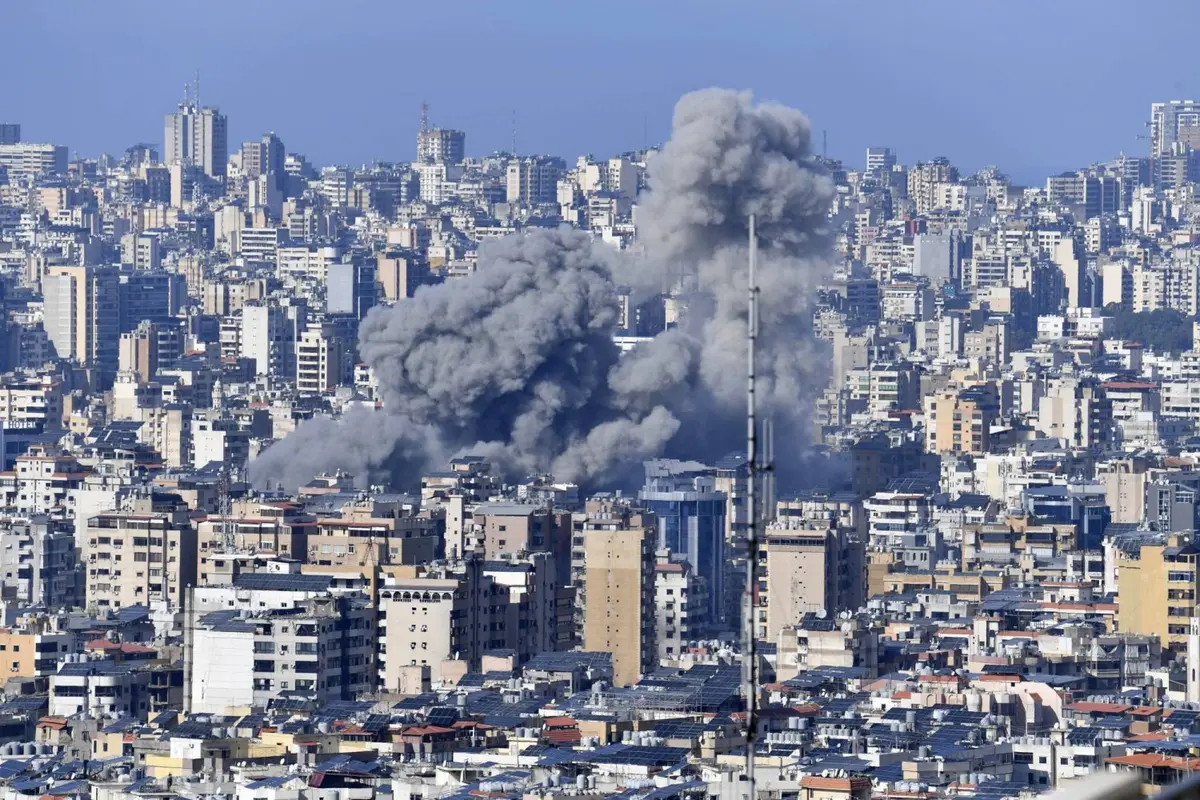
Beirut's southern suburbs were subjected to an airstrike on Sunday morning, according to footage captured by Agence France-Presse cameras, after the Israeli army issued instructions to evacuate three sites there, following a series of strikes in the area.
Footage from Agence France-Presse showed columns of smoke rising into the sky over the suburb, which was still shrouded in smoke from airstrikes launched on Saturday.
This comes at a time when the Israeli army today asked the residents of three areas in the southern suburbs of Beirut to evacuate them before it will launch strikes on several buildings there.
“You are located near Hezbollah facilities and interests, against which the IDF will operate in the near future. For your own safety, you must evacuate these buildings and those adjacent to them immediately and move away from them at a distance of no less than 500 meters,” Israeli army spokesman Avichay Adraee wrote on the X platform, attaching a map to his message identifying the three locations in question, according to Agence France-Presse.
Sun 17 Nov 2024 9:03 am - Jerusalem Time
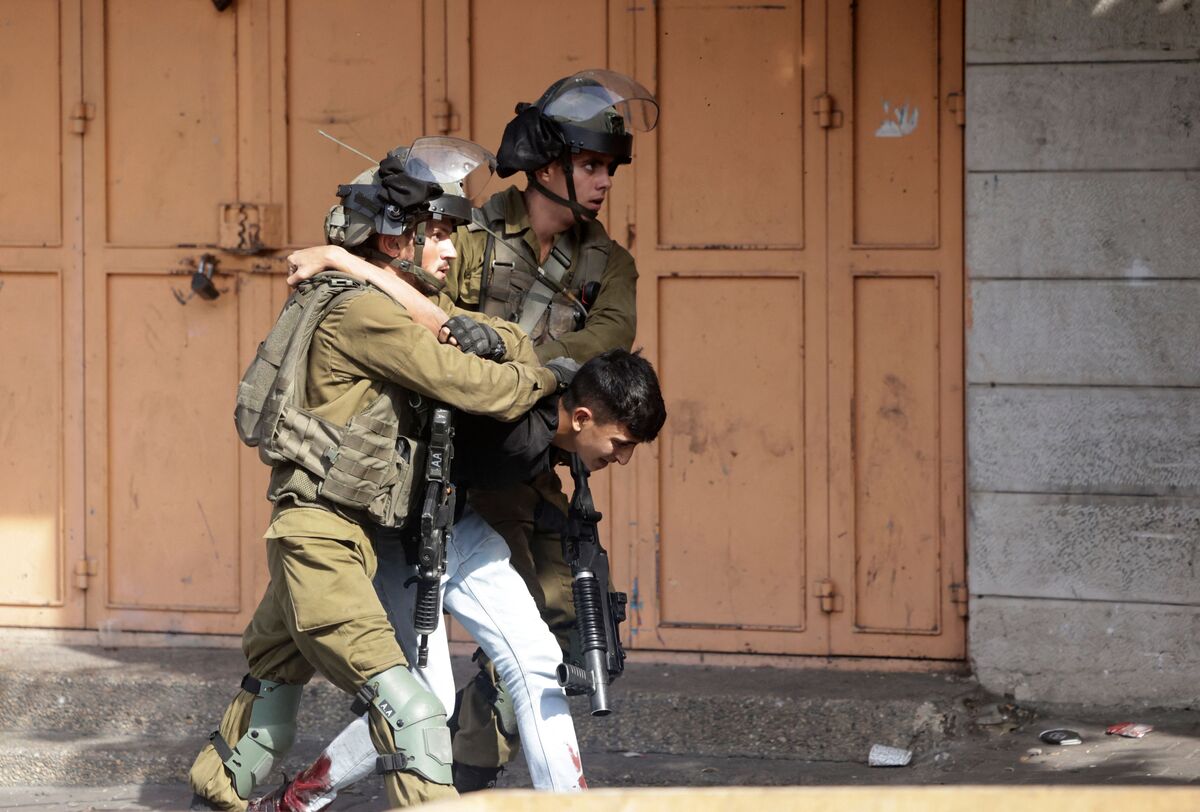
The Israeli occupation forces launched an arrest campaign in various areas of the West Bank and occupied Jerusalem at dawn and this Sunday morning.
In occupied Jerusalem, the two young men, Muhammad Bashir and Sufyan Abdo, were arrested from Jabal al-Mukaber, and two children whose identities are not yet known from the town of al-Tur to the east.
In Tulkarm, the occupation forces arrested Qatada Ammar Badawi (33 years old), a former detainee, after raiding his home in the city, and Ayman Nasrallah from his home in the Ezbet al-Tayah suburb east of Tulkarm.
Meanwhile, the young man, Alaa Ibrahim Jabara (20 years old), was arrested after raiding and searching his family’s home in the city of Bethlehem.
The occupation soldiers also fired tear gas bombs at the students of Al-Khader Elementary School, as they were entering the school, which led to a number of them suffocating.
In Ramallah, the occupation forces arrested: Wajdi Bakr Hamadneh from the village of Deir Jarir, east of Ramallah, and seized his vehicle, Ahmed Saleh Ankoush from Deir Abu Mish’al, west of Ramallah, and Ahmed Abdel Nasser Marar, from the village of Budrus, west of Ramallah, after raiding and searching their families’ homes.
In Qalqilya, the elderly man Suleiman Al-Hanini and the young man Ahmed Hussein were arrested after raiding and searching their homes in the city’s Shuraim neighborhood.
The occupation forces assaulted a young man while he was in the aforementioned neighborhood, without knowing his identity.
In Hebron, the occupation forces raided the areas of Khallet al-Ain, al-Bayada, and the old post office street in Beit Ummar, stormed several homes, searched them, and ransacked their contents using police dogs. They destroyed furniture, property, and belongings inside them, and arrested university student Izzat Tariq Izzat Awad (19 years old) and child Ahmed Musa Zaqeq (17 years old), a high school student, and they were transferred to the Etzion camp north of Beit Ummar.
In Salfit, the occupation forces arrested the young man, Akram Issa Bouzia, after raiding and searching his house in Kafr Haris.
Sun 17 Nov 2024 8:59 am - Jerusalem Time
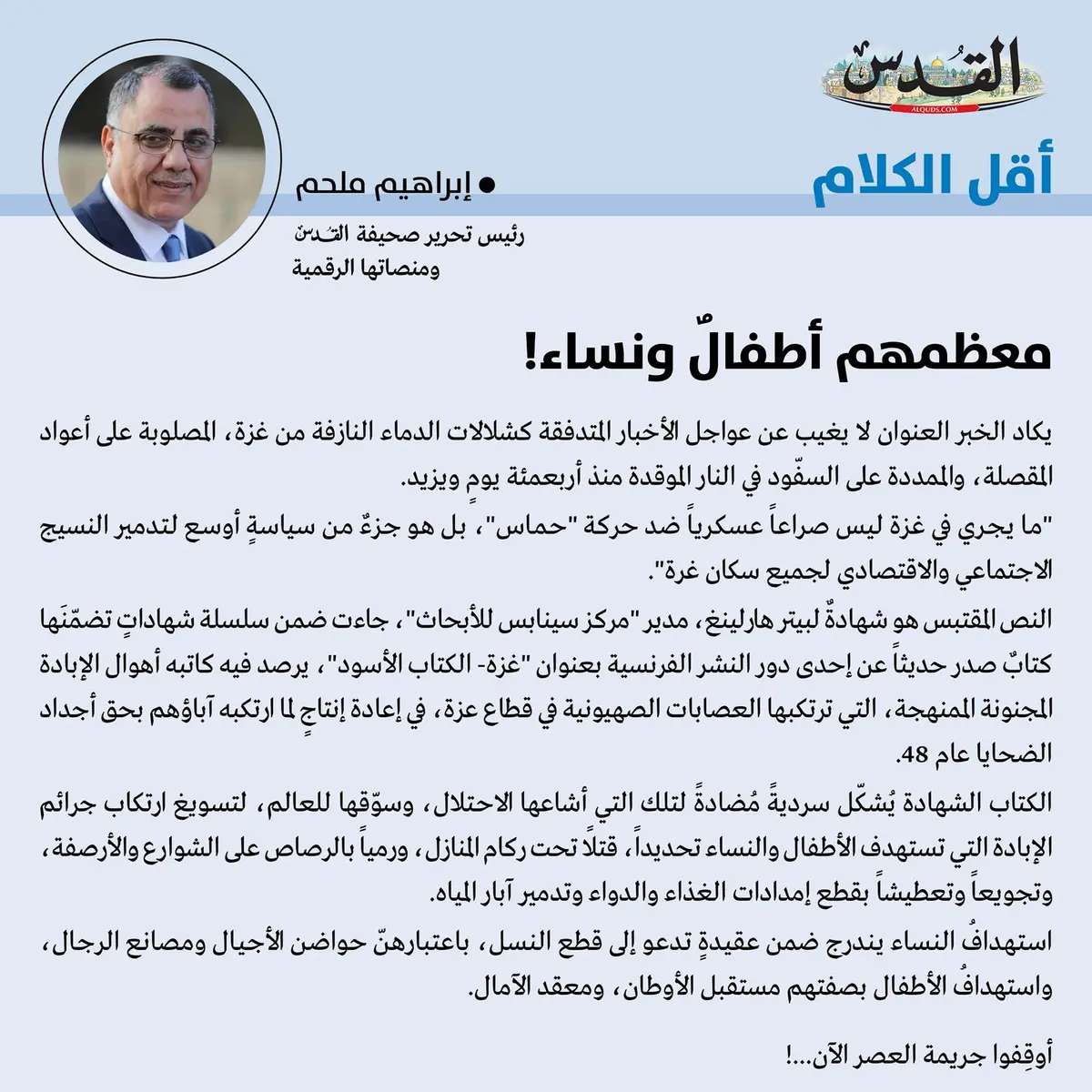
The news headline is almost never absent from the breaking news flowing like waterfalls of blood flowing from Gaza, crucified on the guillotine, and stretched out on the spit in the fire that has been burning for more than four hundred days.
“What is happening in Gaza is not a military conflict against Hamas, but rather part of a broader policy to destroy the social and economic fabric of all Gazans.”
The quoted text is a testimony by Peter Harling, director of the Synapse Research Center, which came as part of a series of testimonies included in a book recently published by a French publishing house entitled “Gaza – The Black Book,” in which the author monitors the horrors of the insane, systematic genocide committed by the Zionist gangs in the Gaza Strip, in a reproduction of what their fathers committed against the victims’ grandfathers in 1948.
The book, The Testimony, constitutes a counter-narrative to that which the occupation has spread and marketed to the world, to justify the commission of genocide crimes targeting children and women in particular, by killing them under the rubble of homes, shooting them in the streets and sidewalks, and starving and depriving them of water by cutting off food and medicine supplies and destroying water wells.
Targeting women falls within a doctrine that calls for cutting off the offspring, considering them the incubators of generations and the factories of men, and targeting children, considering them the future of nations and the center of hopes.
Stop the crime of the century now...!
Sun 17 Nov 2024 8:52 am - Jerusalem Time

Dozens of citizens were killed and injured, Sunday morning, in Israeli occupation forces' shelling of the Gaza Strip.
In the northern Gaza Strip, the occupation aircraft bombed a five-story residential building in Beit Lahia, which housed displaced people from the Ghanem and Ayada families and other families, leading to the death and injury of dozens of people with various injuries, and there are still a number of missing people under the rubble.
There are no accurate statistics on the number of martyrs and wounded, as rescue teams were unable to reach the targeted location.
According to rescue teams, the residential building bombed by the occupation housed about 70 citizens, including dozens of children, women, and the elderly.
In the central Gaza Strip, Palestinian Red Crescent paramedics transported 7 martyrs, including a child, and a number of wounded, as a result of a missile attack that targeted the Aql family’s house in Al-Bureij camp, to Al-Awda Hospital in Al-Nuseirat camp and Al-Aqsa Martyrs Hospital in Deir Al-Balah city in the central Gaza Strip.
A citizen was killed and 9 others were injured when the occupation targeted the house of the Al-Maqadmeh family in Al-Bureij camp. They were transferred to Al-Awda Hospital.
The Israeli occupation forces' artillery also bombed the northwestern areas of Gaza City.
The occupation's aggression on the Gaza Strip entered its 408th consecutive day, leaving more than 43,799 dead, the majority of whom are women and children, and 103,601 wounded, in an incomplete toll, as thousands of victims are still under the rubble and on the roads, and ambulance and rescue crews are unable to reach them.
For the 44th day, the war of extermination continues in the northern Gaza Strip, which has led to the death of more than two thousand people, and six thousand wounded, with rescue teams prevented from working, and food and medical supplies in short supply.
Sat 16 Nov 2024 10:15 pm - Jerusalem Time

The Israeli occupation forces stormed the town of Al-Khader, south of Bethlehem, on Saturday evening.
According to local sources, the occupation forces stormed the town of Al-Khader and took up positions around the Grand Mosque, Al-Saifi and Al-Bawaba neighborhoods, and fired tear gas and sound bombs without any injuries being reported.
Sat 16 Nov 2024 9:36 pm - Jerusalem Time
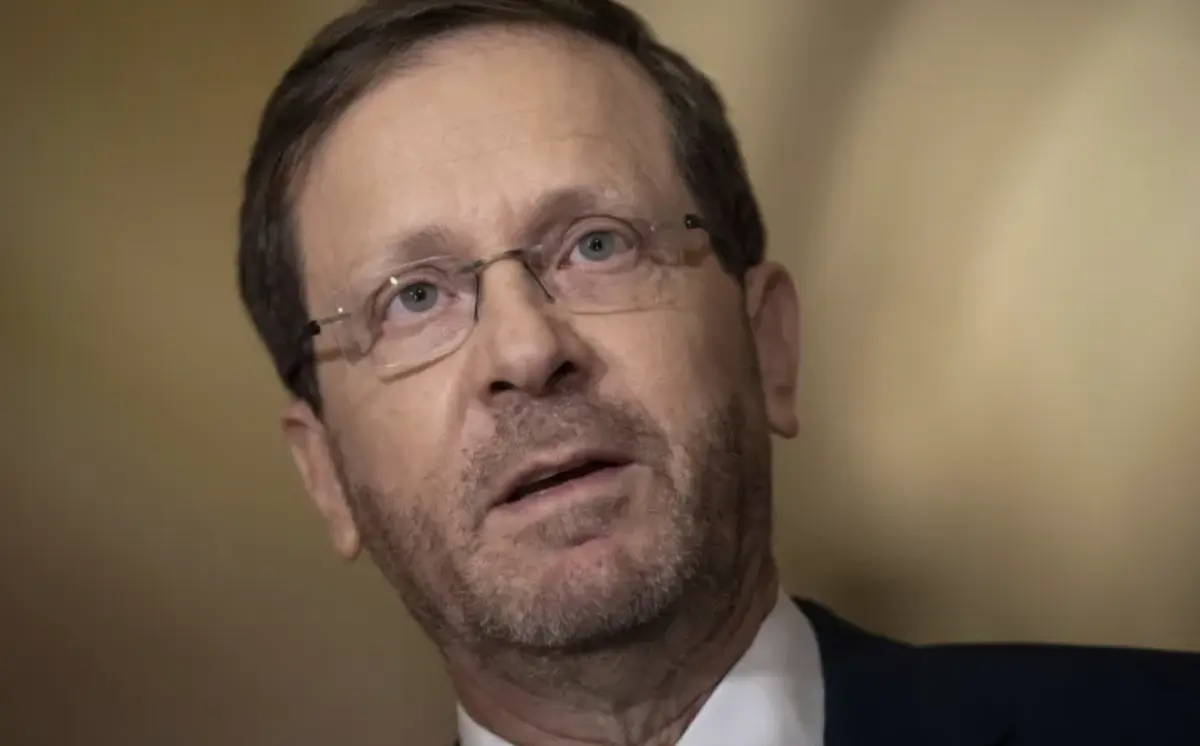
Israeli President Isaac Herzog's office announced on Saturday that he had cancelled his visit to Azerbaijan to participate in the climate summit for security reasons.
Channel 12 Israel said in a statement published on its website: "In light of the assessment of the security situation and for security reasons, the president (Herzog) decided to cancel his trip to Azerbaijan to participate in the climate summit (COP 29)."
The statement did not mention details about what it described as "security reasons," but anger is rising against Israel over its ongoing bloody war on the Gaza Strip before expanding to include Lebanon.
Herzog was scheduled to participate in the international summit that includes leaders from around the world, and his visit to Azerbaijan, a country neighboring Iran, was to be short and limited to only a few hours.
Herzog's office statement did not mention the date of the cancelled visit.
The Conference of the Parties to the United Nations Framework Convention on Climate Change (COP 29) kicked off in the Azerbaijani capital, Baku, on November 11 and will continue until the 22nd of the same month.
Sat 16 Nov 2024 9:16 pm - Jerusalem Time

A number of citizens were killed on Saturday evening, after the Israeli occupation forces bombed a house west of the Nuseirat camp in the central Gaza Strip.
According to medical sources, 4 citizens were killed, including 3 women and a child, and a number of others were injured, after a bombing targeted a house near Al-Sawarah School, west of Al-Nuseirat camp.
In the same context, the occupation army continued its operations to blow up buildings in the western area of Jabalia camp, north of the Gaza Strip. The occupation artillery also bombed the Beit Lahia project, north of the Gaza Strip, and violent air strikes by the occupation aircraft targeted the northwestern areas of the Strip.
The occupation forces continue their aggression on the Gaza Strip, by land, sea and air, since October 7, 2023, which resulted in the death of 43,799 citizens, the majority of whom are women and children, and the injury of 103,601 others, in an incomplete toll, as thousands of victims are still under the rubble and on the roads, and ambulance and rescue crews cannot reach them.
Sat 16 Nov 2024 8:25 pm - Jerusalem Time
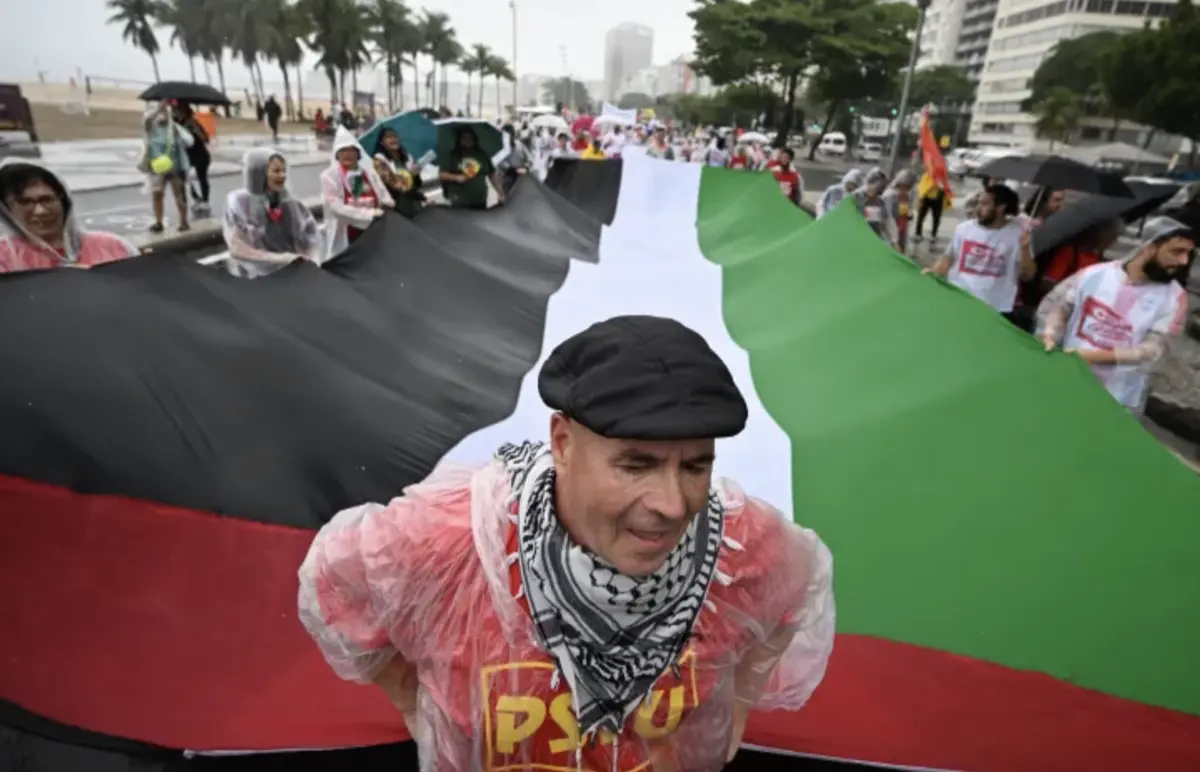
Protesters demonstrated in major capitals and cities around the world today, Saturday, demanding an end to the war on the Gaza Strip and Lebanon, and preventing the sending of weapons to Israel. They also called for lifting the siege on the Strip and delivering humanitarian aid immediately.
The Israeli war on Gaza continues with American support for the 14th consecutive month, and the number of martyrs has reached 43,799, and the number of wounded has reached 103,601, according to a report by the Ministry of Health in the Strip today, Saturday.
The Israeli army continues its attacks on Lebanon, with the Ministry of Health saying on Friday evening that there were "3,445 martyrs and 14,599 wounded since the beginning of the aggression."
Britain
Hundreds of people have taken to the streets of London to demand an end to what they call British complicity in the genocide taking place in Gaza. The demonstration was organised by a coalition of more than 60 climate justice organisations, to coincide with the UN climate conference in Azerbaijan.
The demonstrators marched in front of the headquarters of the British oil giant BP, which they accuse of supplying Israel with about 30% of the oil it uses to operate the Israeli army's vehicles and aircraft in the war on Gaza and Lebanon.
In Manchester, hundreds of people took part in a demonstration that toured the city's streets, carrying Palestinian and Lebanese flags. The demonstrators called on the British government to pressure to stop the war and refrain from arming and supporting Israel.
US
Authorities arrested demonstrators in solidarity with Palestine, after they protested yesterday, Friday, at the entrance to the New York Times building to denounce the newspaper’s policy in covering the war on Gaza.
Circulating footage showed demonstrators gathering in front of the newspaper's building in Manhattan, New York, where some of them held up signs saying, "The lying New York Times... you set fire to Palestine."
France
A demonstration took place in the Place de la Bastille in the capital Paris to denounce Israel's killing of hundreds of health care providers, including doctors, nurses and paramedics in Gaza. The demonstrators denounced the Israeli forces' destruction of hospitals and the prevention of humanitarian aid from reaching the people of Gaza.
The demonstrators chanted slogans calling on Western countries, led by France, to assume their moral and legal responsibilities in protecting the Palestinian and Lebanese peoples, and to impose deterrent sanctions on Israel, to force it to stop the genocide, war crimes and crimes against humanity in Palestine and Lebanon.
Germany
A demonstration took place in the capital, Berlin, in solidarity with the Palestinian and Lebanese peoples, under the slogan "Stop the war of extermination."
The demonstrators also denounced Israel's actions aimed at Judaizing Al-Aqsa Mosque.
Denmark
Crowds demonstrated in the capital, Copenhagen, to protest the ongoing war on Gaza and Lebanon. The demonstrators, who carried Palestinian and Lebanese flags, demanded an end to the genocide, the lifting of the siege on the Strip, and the immediate delivery of humanitarian aid.
Brazil
Activists demonstrated in Rio de Janeiro in solidarity with the Palestinian people, ahead of the G20 summit that the city will host on Monday and Tuesday.