






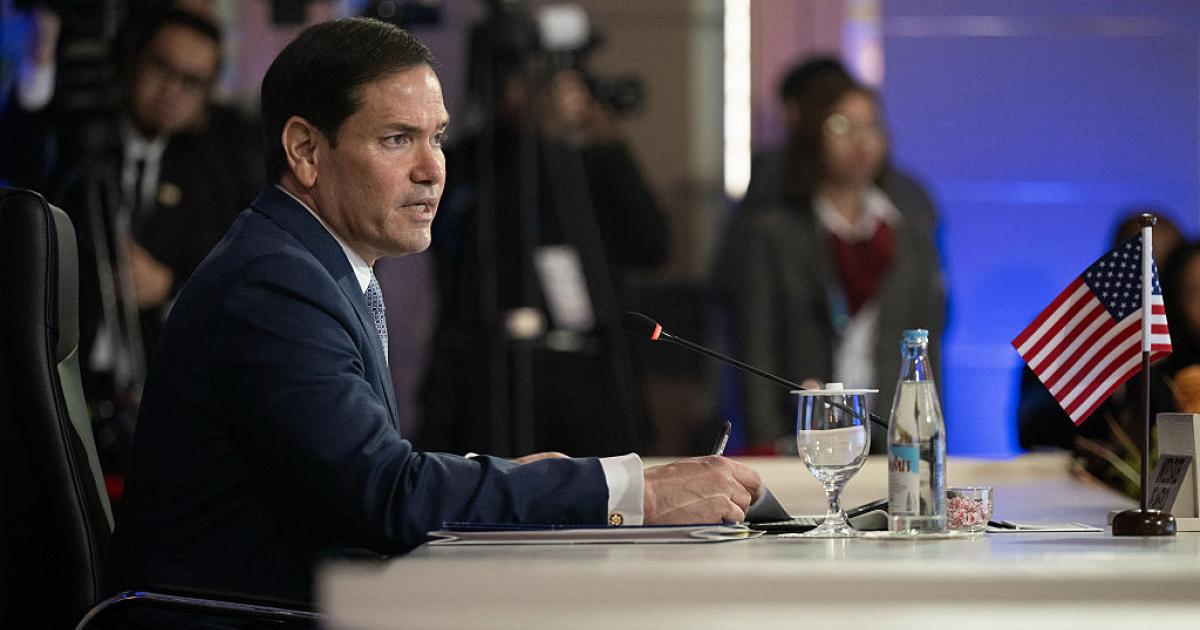
International tensions are escalating as US President Donald Trump renews his threats to target Iran's "Jabal Al-Faas" facility, a heavily fortified nuclear site located deep underground. These statements come at a sensitive time, as estimates suggest that Tehran may have moved vital parts of its nuclear program to this site to avoid airstrikes.
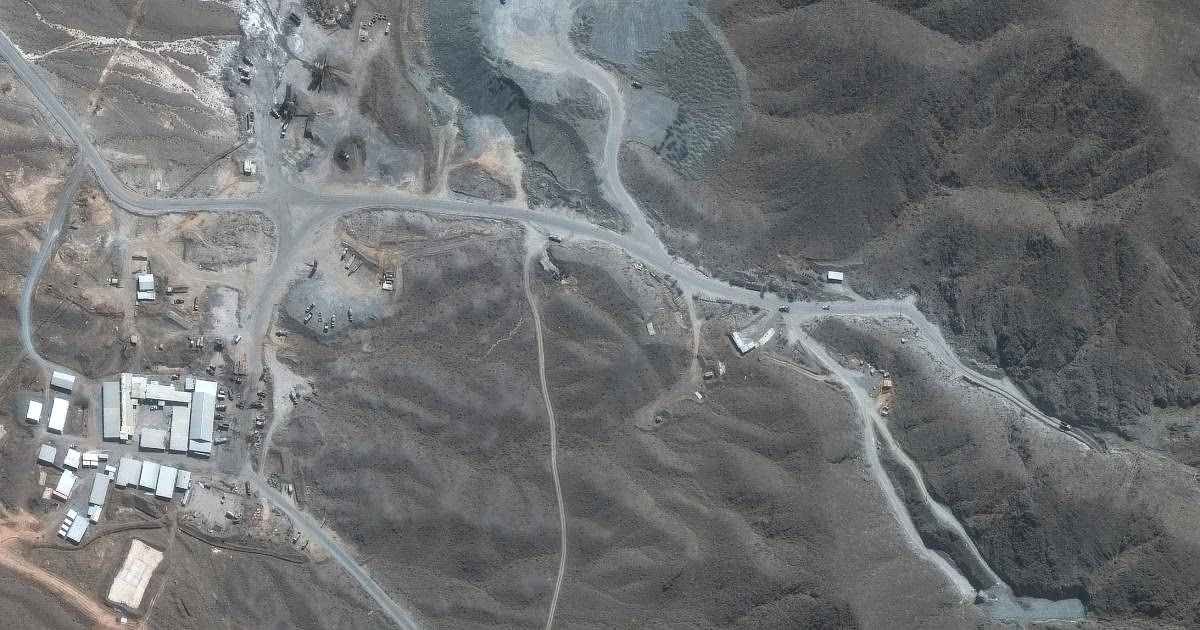
The "Jabal Al-Faas" facility is considered one of the most mysterious sites in Iran, located more than 100 meters deep under the "Kuh Kolang Ghaz La" mountain in the center of the country. This strategic depth makes it an extremely complex target for any traditional destruction attempt, whether through airstrikes or direct military operations.
Construction work at this site began in 2020, when Tehran informed the International Atomic Energy Agency that the purpose of the facility was to assemble centrifuges. However, recent satellite images indicate the presence of extensive tunnel complexes and reinforced concrete entrances, raising suspicions about the nature of the actual activity there.
Informed sources reported that intelligence agencies are monitoring intense movements within the facility, especially after the attacks on the Natanz, Isfahan, and Fordow reactors in June 2025. It is believed that Iran is seeking to protect its stockpile of highly enriched uranium, estimated at about a thousand pounds, by depositing it in these fortified tunnels.
For his part, President Trump downplayed reports of the completion of the transfer of advanced centrifuges, noting that there is no conclusive evidence yet. But he affirmed at the same time that the United States is closely monitoring the situation and will not hesitate to take military action if necessary to prevent Iran from acquiring a nuclear weapon.
In contrast, the Iranian Foreign Ministry quickly denied these allegations, describing the American threats as an attempt to justify acts of sabotage and aggression. The Foreign Ministry spokesman stressed that the site does not contain any secret nuclear activity, emphasizing that the Iranian program is entirely dedicated to peaceful purposes and power generation.
Military experts believe that targeting "Jabal Al-Faas" represents a significant technical challenge due to the nature of the mountainous terrain and the concrete fortifications protecting the entrances. Even in the event of powerful strikes, the damage may be limited to disrupting ventilation and supply systems without reaching the core of the deeply buried facility.
The pace of work at the facility has increased significantly over the past year, which analysts explain as an Iranian reaction to previous attacks that destroyed parts of the Natanz complex. It appears that Tehran is working to accelerate the construction of new centrifuges within this site to ensure the continuity of its program away from scrutiny and threats.
Technical reports indicate that the facility relies on a complex infrastructure that includes advanced cooling and heating systems to ensure the efficient operation of centrifuges. These systems, despite their protection, remain potential weak points that can be targeted to disrupt operations inside the mountain without the need to penetrate hard rock.
The United States and Israel consider Iran's reaching an advanced stage of enrichment at a site like "Jabal Al-Faas" a red line that cannot be crossed. Western circles fear that this facility could become a secret center for producing the nuclear fuel needed to develop warheads in record time.
Sources confirmed that Iran has strengthened security measures around the site, including planting explosives in access corridors and closing some vital tunnels. These steps aim to impede any attempt at ground infiltration or sabotage operations from within, increasing the difficulty of the intelligence mission.
Despite the significant damage to Iran's nuclear program in previous bombing rounds, international assessments indicate that essential parts of it remain. The fate of highly enriched uranium remains Washington's biggest concern, as it seeks either to force Tehran to dispose of it or destroy it in place.
Researchers at international institutions believe that the American ability to destroy tunnel entrances may disrupt work for years, but it will not erase the knowledge and technical capabilities that Iran has acquired. The military option remains on the table as a political pressure tool, despite the significant risks of a comprehensive regional confrontation.
Iran continues to assert its right to possess nuclear technology to meet its electricity needs and provide oil for export. With continued mutual threats, "Jabal Al-Faas" remains a focal point in the hidden and overt conflict between Tehran and its international adversaries, awaiting the outcome of future moves.
We will likely strike that area very soon. And they won't be able to do anything about it.

Share your opinion
US threats to target Iran's fortified underground "Jabal Al-Faas" facility