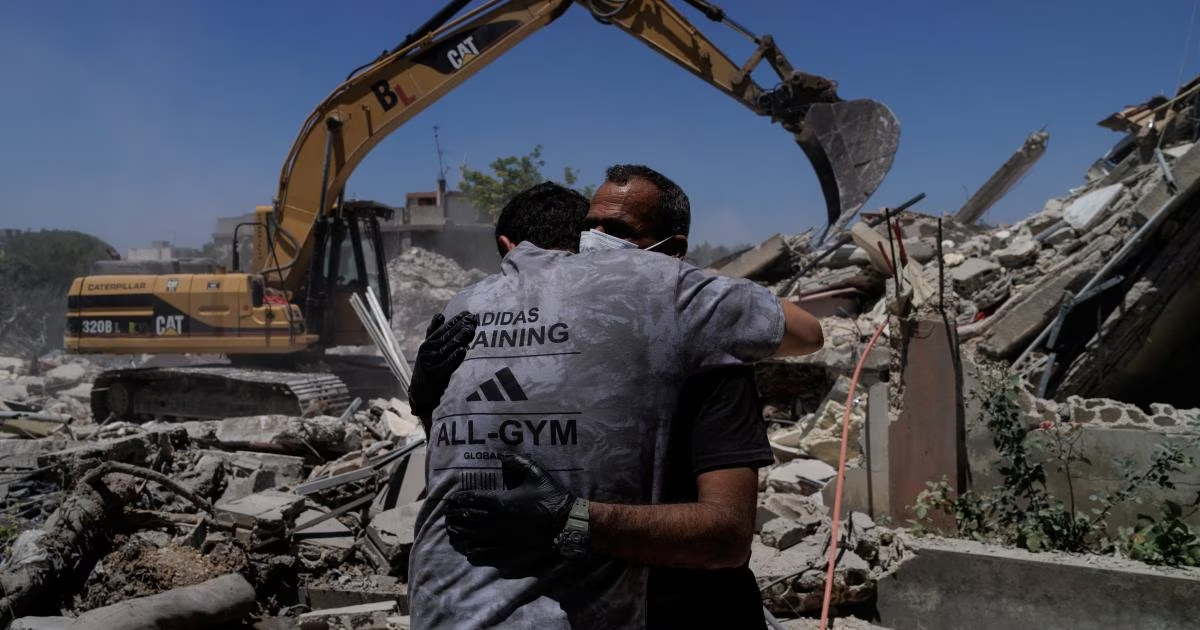







The Lebanese Ministry of Health announced a tragic toll as a result of recent Israeli aggressions, with five citizens martyred in the town of Sahmar in the Western Bekaa. Medical sources clarified that among the victims were a child, a woman, and two elderly individuals, reflecting the continued targeting of populated areas before any supposed de-escalation comes into effect.
In a related context, air raids targeted the Rashidieh area in the Tyre district, southern Lebanon, resulting in the martyrdom of two Palestinian refugees. These attacks come as part of a wide military escalation that included several geographical points in the Lebanese interior and south, leaving severe human and material losses among civilians.
The field also witnessed focused assassination operations carried out by drones, targeting a young man riding a motorcycle in the town of Zebdine, leading to his immediate martyrdom. The same scene was repeated in the town of Kafr Sir, where another young man was killed in a similar raid that targeted him while he was riding his motorcycle, indicating an intensification of drone use in pursuing moving targets.
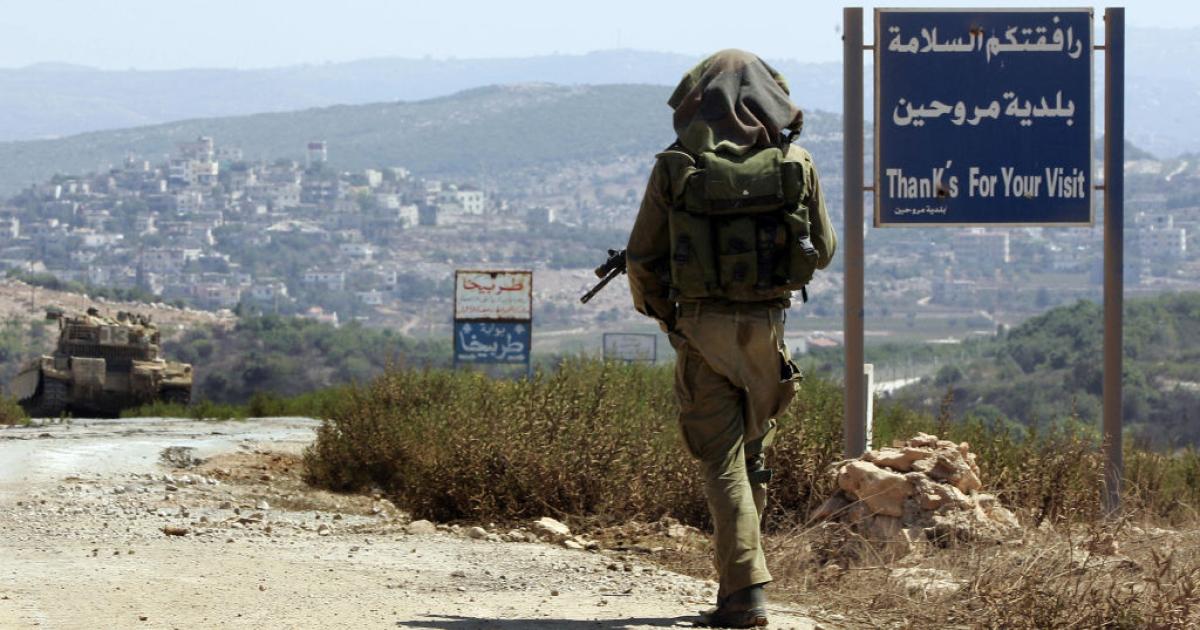
On the military front, media sources quoted an Israeli army official confirming that instructions had been issued by the political level to cease clashes with Hezbollah in southern Lebanon. The official indicated that forces would begin to shift towards defensive operations only, in a step preceding the scheduled time for a comprehensive ceasefire set for the end of the day.
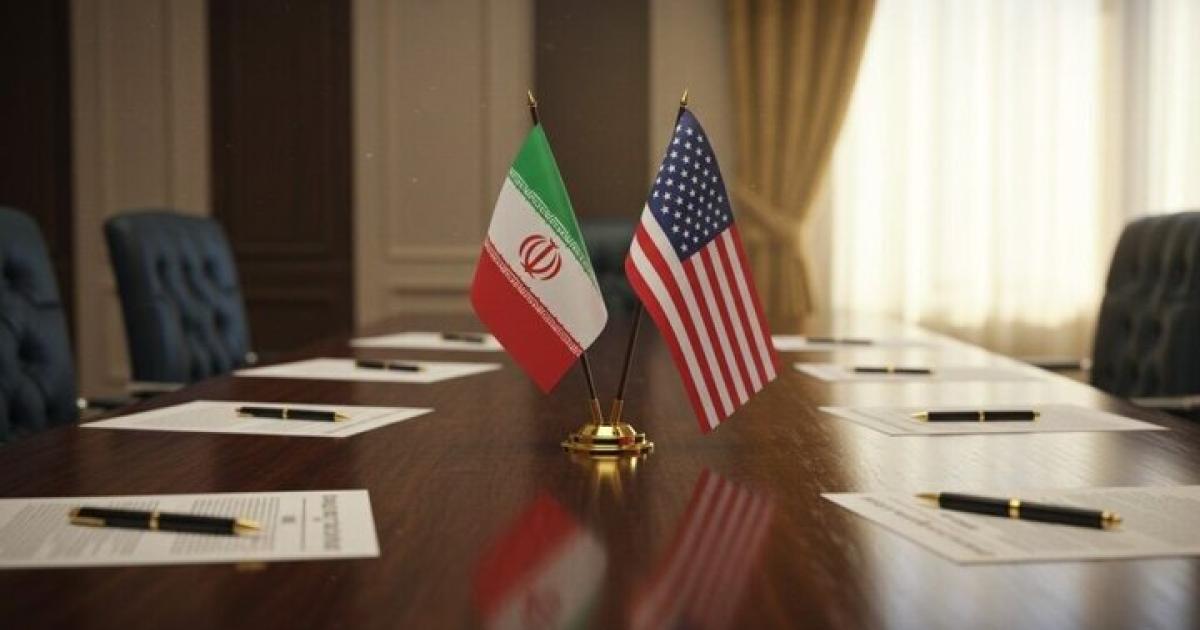
From an analytical perspective, political observers believe that what appears to be a disagreement between Washington and Tel Aviv is merely a division of roles to manage the complex regional crisis. Researcher Ali Hamieh pointed out that Israeli violations of the de-escalation agreement reached record numbers, exceeding 300 violations, emphasizing that this escalation is linked to the balance of power between international and regional axes.
In an interpretation of the Israeli position, researcher Adel Shadid considered that the relationship with the United States remains governed by a close coordination framework despite some differences in viewpoints. He explained that the Israeli government does not deviate from the ceiling set by the American administration but exploits available margins to carry out military operations that serve its field and political objectives.
International pressures continue to regulate the pace of confrontation in the region, at a time when Washington seeks to maintain military pressure tools without sliding into an all-out war. The situation in Lebanon remains hostage to actual commitment to the ceasefire, amid fears of continued violations that could undermine any opportunities for sustainable de-escalation in the near future.
What is happening between the United States and Israel reflects the integration of lines in managing the regional scene, and Israeli violations have exceeded 300 violations.




Share your opinion
Field Escalation Precedes De-escalation: Martyrs in Israeli Raids on Bekaa and Southern Lebanon